The evacuation of pets under shelling, the rescue of animals from frontline areas, and thousands of stories illustrating the compassion of Ukrainians have brought the issue of animal welfare much more to the fore in society. At the same time, humanity requires not only compassion, but also modern legislation.
Today, civil society organisations are pushing for changes to Ukrainian legislation in line with European standards. One of the key steps is the adoption of Bill No. 11328, which strengthens the protection of pets.
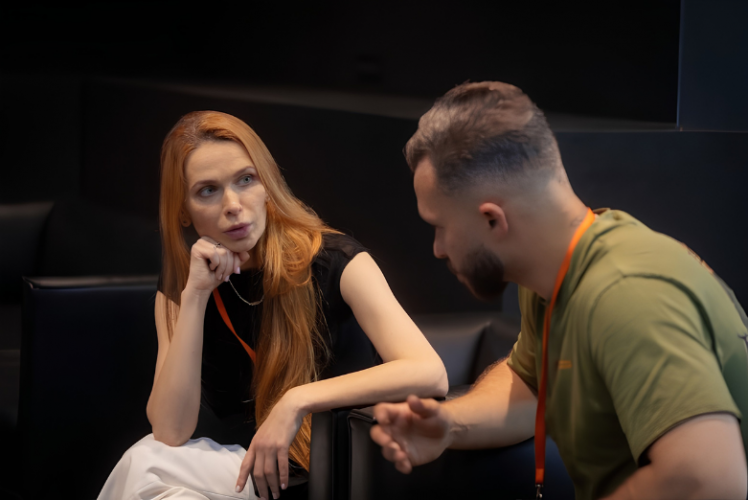
We spoke to Yaroslava Koba, co-founder of the animal welfare NGO URSA, about why the fight for animal rights continues not only in shelters but also in parliamentary committees, what changes animal rights activists are proposing, and why, without active public support, these changes may well remain merely on paper.
It took members of the Verkhovna Rada 1.5 years to adopt, in January this year, draft law No. 11328 “On Amendments to Certain Legislative Acts of Ukraine to Bring Them into Line with the Requirements of the European Convention for the Protection of Pet Animals” as a basis. What new challenges did animal welfare organisations face whilst drafting legislation on animal rights during the full-scale war?
Animal welfare organisations work in various areas. We focus specifically on the legislative framework relating to animal protection.
In the first months of the full-scale war, of course, there was no question of any legislative activity. We were solely focused on appealing to international donors to provide us with some animal feed, so that we could pass it on to frontline areas. We resumed our legislative work in June 2022.
From what we’ve observed, the full-scale invasion has slightly changed attitudes towards animals. It has laid bare and highlighted the problem of the huge number of stray animals and the harsh treatment they face. This has played a part in humanising our society and improving attitudes towards animals. Currently, the demand for a more humane attitude towards animals is greatest amongst young people and middle-aged people.
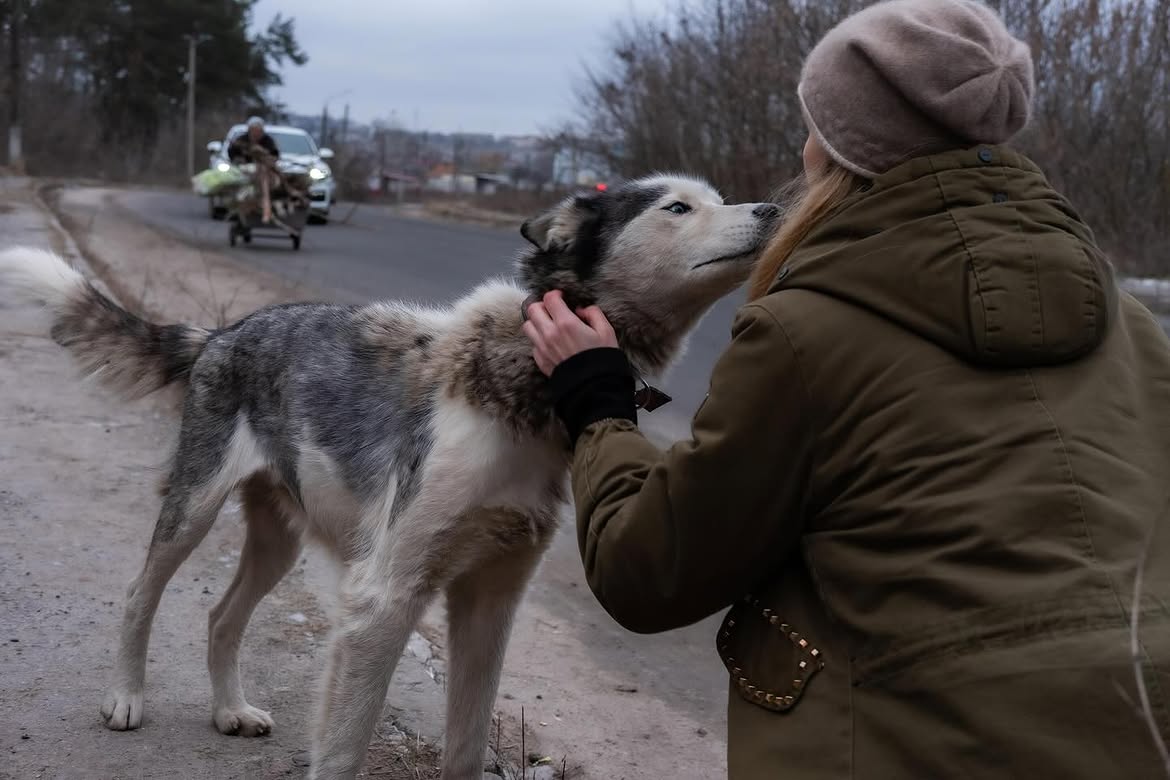
Photo: @slaventina_ / Instagram. Photographer: Serhii Zherekhov.
I remember one photograph taken in the early days of the full-scale invasion. It shows a man evacuating, carrying bags and an aquarium with a goldfish. The whole world saw these images and realised that, even in such extreme conditions, Ukrainians do not abandon their pets to their fate.
I am convinced that photos like these help to change the attitudes of some people who previously had a different view of animals, for the better. This sets off a kind of chain reaction of kindness. People are beginning to realise that an animal is not a means of satisfying one’s own needs—such as security, food or entertainment—but a living being that feels pain and suffering and needs protection.
At present, only the first version of Bill No. 11328 is available on the Verkhovna Rada’s website. You and other animal welfare organisations submitted additional amendments to it at the end of January. What exactly do these amendments concern? What points would you like MPs to amend before the second reading?
The first thing I’d like to say about this draft bill is that it is an initiative by our colleagues at UAnimals. At their invitation, we, along with the Association of Animal Welfare Organisations (AZOU), joined a working group to propose amendments to this document ahead of the second reading.
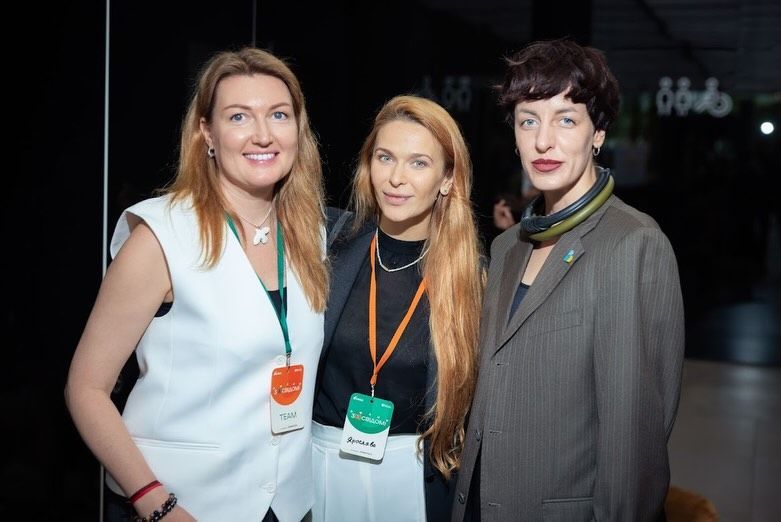
Photo: @slaventina_ / Instagram
We have introduced one very important amendment to this draft bill, which I consider to be the key one — the ban on keeping dogs on a chain. The first draft stated that it was prohibited to keep animals on a chain for more than 12 hours. We explained to our colleagues that it is impossible to monitor compliance with this time limit in real-life situations. Law enforcement officers are not going to sit for 12 hours, hypothetically, outside an elderly man’s garden fence just to record a breach of this time limit. Our colleagues agreed to include our amendment in the version of the draft bill for the second reading.
We have provided for a transition period. Pet owners will have two years to adapt their properties so that dogs are not kept on a chain and other pets are kept safe. With the will to do so, anything is possible, but in our minds, keeping dogs on a chain is currently the norm. Nobody thinks about their welfare.
If URSA’s amendment is included in the final text of the bill and the law is passed, it will be a huge victory for us. We very much hope it will be passed at the second reading.
URSA is also drafting its own bills. For example, we are working on a bill on the compulsory neutering of pets. If we want to tackle the problem of stray animals on the streets, we must start with the compulsory registration and neutering of pets. In the EU, the practice of registering pets is already in place.
Are there any provisions in the Association Agreement with the EU relating to animals that we need to implement into our legislation? If so, which ones exactly?
There are, in fact, a great many of them. Draft Bill No. 11328 sets out precisely these provisions. In particular, they concern the docking of animals’ tails and ears, the muzzling of animals, the removal of teeth and claws, as well as illegal breeding facilities.
As Ukraine is on the path to the EU, we need to bring these provisions into line with a single European standard. Therefore, Members of Parliament will be obliged to incorporate European standards into domestic legislation. In my view, the European Union is the best catalyst for bringing about such changes. That is why I feel that things have become a little easier in this regard.
Generally speaking, animal welfare legislation varies from country to country. I am studying international experience, so I can say that there are certain laws which I would like to see introduced in Ukraine as well.
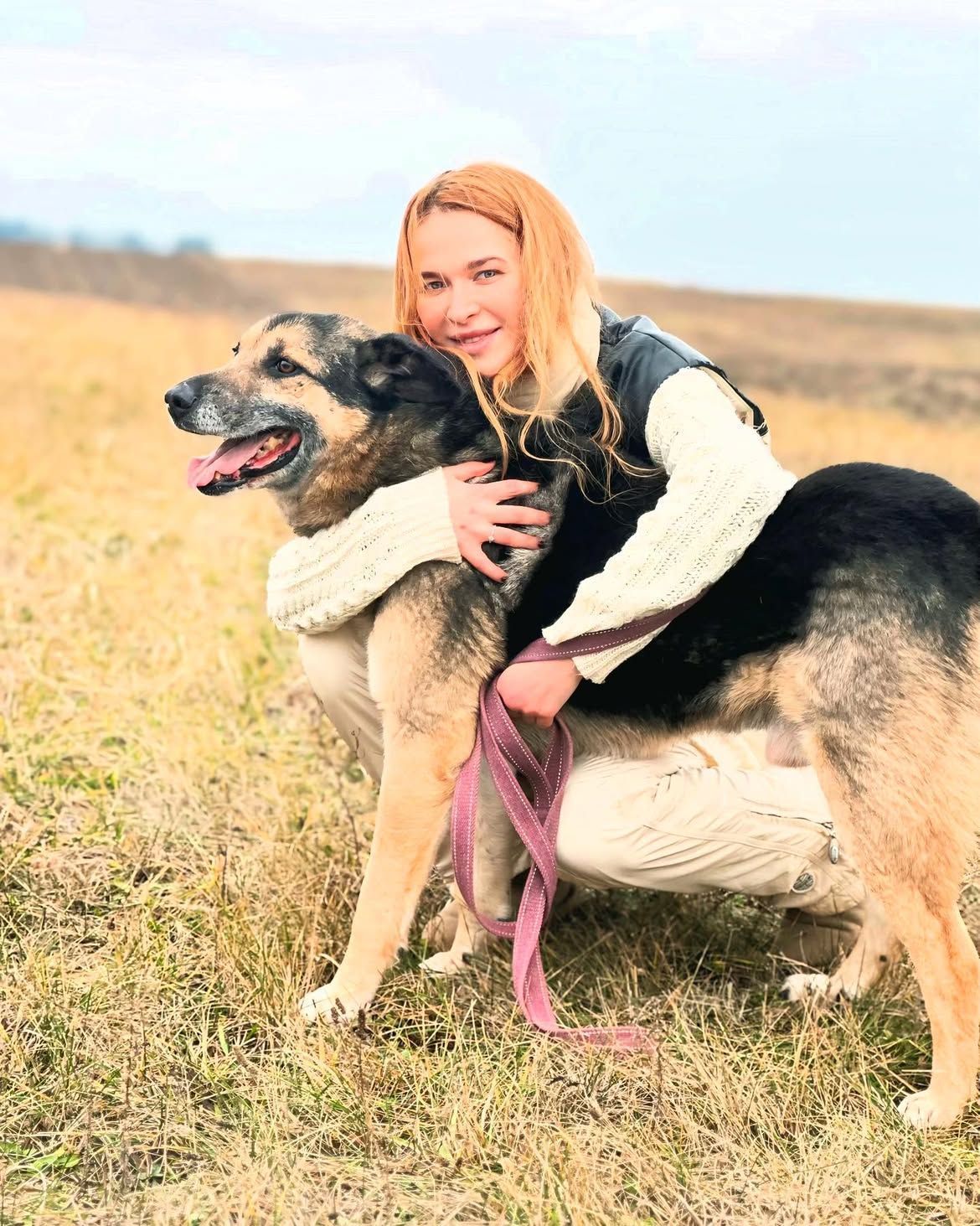
Photo: @slaventina_ / Instagram
How difficult is it to get MPs interested in working on a draft bill prepared by activists, so that it ultimately reaches the chamber?
Together with UAnimals and other animal welfare organisations, we have tabled amendments to Bill No. 11328 and are now awaiting the second reading. However, I would like to emphasise that every bill put to the vote has both lobbyists and opponents. And no law is passed easily. This is particularly true of animal welfare legislation.
We can see just how powerful, for example, the hunters’ lobby is in the Verkhovna Rada. We can see the debates taking place on hunting, for instance. I consider it utterly absurd that, in the midst of a full-scale war, MPs are busy drafting a Strategy for the Development of Hunting.
I think it will be difficult with our draft law on the compulsory neutering of pets too, because many MPs have their own pets which they are not prepared to have neutered, even though this needs to be done.
I realise this sounds radical, but otherwise we will not solve the problem of stray animals in Ukraine.
In your experience, and that of your colleagues, how difficult is it to put forward proposals to lawmakers? How often are amendments proposed by animal welfare organisations taken into account?
In any case, it is a complex process. There are two factors that influence its effectiveness. The first is public support; the second is the strength of the lobby.
For example, I don’t want to cause a panic just yet, but colleagues point out that there are MPs who are concerned about their own poll ratings in their constituencies, so they may not support a provision banning the keeping of dogs on chains—which is unpopular in the regions—that we are trying to introduce. That is why, in my view, every bill that comes before the Rada should be treated as a separate case: we need to analyse whose interests are aligned within a single document, and only then devise a strategy for pushing it through.
Are representatives of animal welfare NGOs invited to meetings of the relevant parliamentary committee when legislation concerning animals is being considered? In your experience, which Members of Parliament are most open to cooperating with animal welfare campaigners?
We have now reactivated the working group under the Ministry of Economy, Environment and Agriculture of Ukraine. We will be working alongside our colleagues to improve Ukraine’s environmental legislation. We have a working chat group, and we are already starting to make progress there. The group is led by Oleksandr Krasnolutskyi. We find it easy to work with him.
We’ve also had a positive experience working with MP Yulia Ovchinnikova, co-chair of the cross-party group ‘Humane Country’. This group has been championing animal welfare and rights for over six years. We plan to expand our communication with other MPs.
Is there currently a state body in Ukraine responsible for protecting animal rights? Are there officials who can intervene if the police fail to respond to animal rights violations as they are required to do by law?
There is no such body. We wanted to set up an animal welfare police force — this was an initiative by Marina Surkova from AZOU. She is a highly competent lawyer with extensive knowledge in the field of animal protection. Marina could have provided her professional expertise to ensure the animal welfare officers were properly trained. But no one in the government supported this initiative, even though we wrote numerous appeals. We are simply not being heard. Animals come last in this country.
Given that the legislative framework for animal rights protection in Ukraine is currently being built from scratch, which country’s legislation is being used as a basis for drafting domestic bills?
The current version of the Law of Ukraine ‘On the Protection of Animals from Cruel Treatment’ was drafted on the basis of European standards. Under this law, Ukraine currently has some of the longest prison sentences for cruelty to animals. However, the problem is that these sentences are not applied in judicial practice.
URSA also looks to Europe when drafting its own bills. We study their legislation specifically and compare it with our own. The first thing we must do, following Spain’s example, is to enshrine in law that an animal is not a thing, but a living being with feelings. Once we recognise this, everything will fall into place.
In Spain, for example, an animal is registered when people get married, and then, in the event of a divorce, the court decides with whom it will live.
There is a very good initiative in France, for instance: there, you need to obtain a licence to keep working dogs. Experience shows that dogs of breeds such as the Alabai, Cane Corso and Akita most often end up in shelters due to human irresponsibility. Therefore, if someone wants to get a working-breed dog, they must first learn how to handle it.
In South Korea, to adopt an animal from a shelter, you must complete a special preparatory course. Its aim is to provide basic knowledge about animal care, behaviour and the owner’s responsibilities even before the adoption takes place.
In Ukraine, the public is currently quite actively involved in raising awareness about cases of animal cruelty — people are reposting, commenting and tagging the police and NGOs. What role does the public play in the legislative process today? What can the average person do?
Ordinary people simply must not remain indifferent. If they’re on social media, they should get involved in raising awareness and tagging the police, because it works. And what can a socially conscious public do today? Constantly demand these changes.
I always say that the driving force behind change isn’t the MPs sitting in parliament. Citizens must demand change: tag their elected representatives on social media, write to them, and be active. That’s the only thing that works right now.
I’m very grateful that there are now so many active and socially conscious people who care about how the future of animals in this country will unfold, and about their welfare.
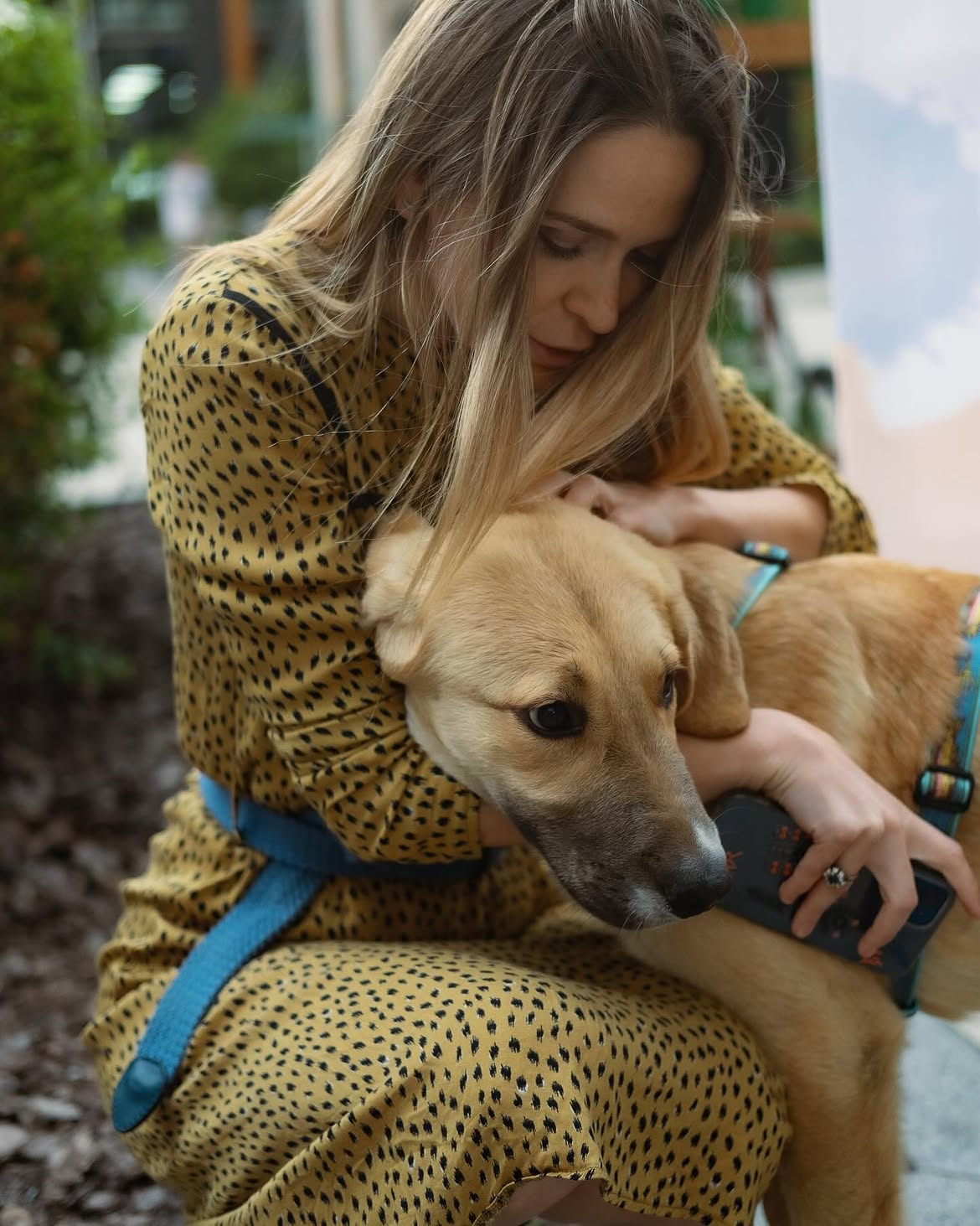
Photo: @slaventina_ / Instagram
Is public support needed right now to push Bill No. 11328 through to its second reading?
We haven’t discussed this issue with our colleagues yet; we’re waiting for them to take the next steps. As soon as we’re told that support is needed, we’ll publicise it on our pages and ask people to tag all the MPs involved. So stay tuned. I think it will be a tough battle, but I’m confident we’ll succeed.
You’re currently in charge at URSA Media. In your opinion, do the Ukrainian media cover animal welfare issues sufficiently? Are they willing to respond to requests from animal welfare campaigners to publish specific information? How significant and important is their role right now in drawing attention to animal welfare issues?
You know, things have improved here compared to how they were 10 years ago. In my experience, back in 2014 the media were completely unwilling to cover animal welfare, arguing that nobody was interested in the topic.
Now, if you look at our colleagues’ posts, things have changed dramatically. Such content very quickly garners likes, shares and comments.
We’re developing a very empathetic society. We love stories about animals; we donate to animals being rescued from war. In my opinion, the media plays a significant role in this.
I’d like to offer some advice to my colleagues, which we at URSA Media also follow: every story about an animal should also be a story about a person. This works really well in collaborative projects, when you use it to show how people are taking action, making a difference, and saving lives.
There is a war going on in Ukraine right now, and behind every rescued animal there is a person. If we tie all this together and present a single, compelling, cohesive story, the result is brilliant. We not only foster empathy for animals, but also motivate readers to get involved in rescue efforts. We use real-life examples to show people how they can make a difference.
In your experience, how often do the rules on keeping pets, laid down by local authorities, fail to comply with the Law of Ukraine ‘On the Protection of Animals from Cruel Treatment’? How willing are local authorities to cooperate with animal welfare campaigners? Do you expect them to ignore the new powers they will be granted following the adoption of the aforementioned draft law?
Of course, there are instances where rather ill-advised decisions are taken at local level. There are quite a few of them. For example, in Netishyn a few years ago, the local authorities issued a ban on feeding stray animals. This is in direct conflict with Ukrainian law.
In other words, instead of allocating funds for the neutering of animals in their community, they simply embezzled the money. As a result, there are now so many animals on the streets that people can no longer get through. Later, about a year ago, a similar situation occurred in the Mykolaiv region.
Are there any opposite cases, where good initiatives first emerge within communities themselves?
I cannot recall a case where a small initiative originated in a community and then spread across the whole country. But I can give the example of Pereyaslav, my hometown. There is a very active community there, which didn’t wait for instructions from above and set about building an animal shelter.
Local activists, notably Alina Rymar and Tetiana Chebotar, are now trying to resolve the issue of oversight. To me, they are such a good example. Big initiatives start with ordinary people, in the truest sense of the word.
Aren’t you worried that the local authorities will ignore the regulations set out in Bill No. 11328 once it’s passed?
I’m certain they will ignore them. Of course, there will be a bit of chaos once the bill is passed. But attitudes towards the new requirements will change over time thanks to conscientious people. They will need to lodge complaints with the authorities about non-compliance with the law, write to animal welfare campaigners, and publicise instances of lawlessness.
Following the adoption in 2017 of amendments to Article 299 of the Criminal Code of Ukraine, which provide for an increase in the prison sentence for cruelty to animals to eight years, the public viewed these changes with considerable scepticism, as they believed they would not be enforced.
At the time, the police refused to accept reports on such cases and were reluctant to respond to calls. However, thanks to citizens lodging complaints about such actions by law enforcement officers with higher authorities, the situation has now changed. Admittedly, the police do not respond as quickly as we would like, but they do turn up. Investigators are assigned to handle these cases. Concerned members of the public are gradually changing the situation for the better.
Please tell us about your own pets. Given the nature of your work, you’ve probably rescued many animals and taken them into your family? I saw that in one of your recent posts on your Instagram page, you talked about a rescued cat called Whisky.
I have five pets, and I also look after my husband’s father’s animals. The first of them is Viva, a Toy Terrier. She’s already 12 years old. It was probably her who sparked my respect for animals, which I’ve loved since childhood. I’d always dreamt of having a dog, and now I’ve got one.
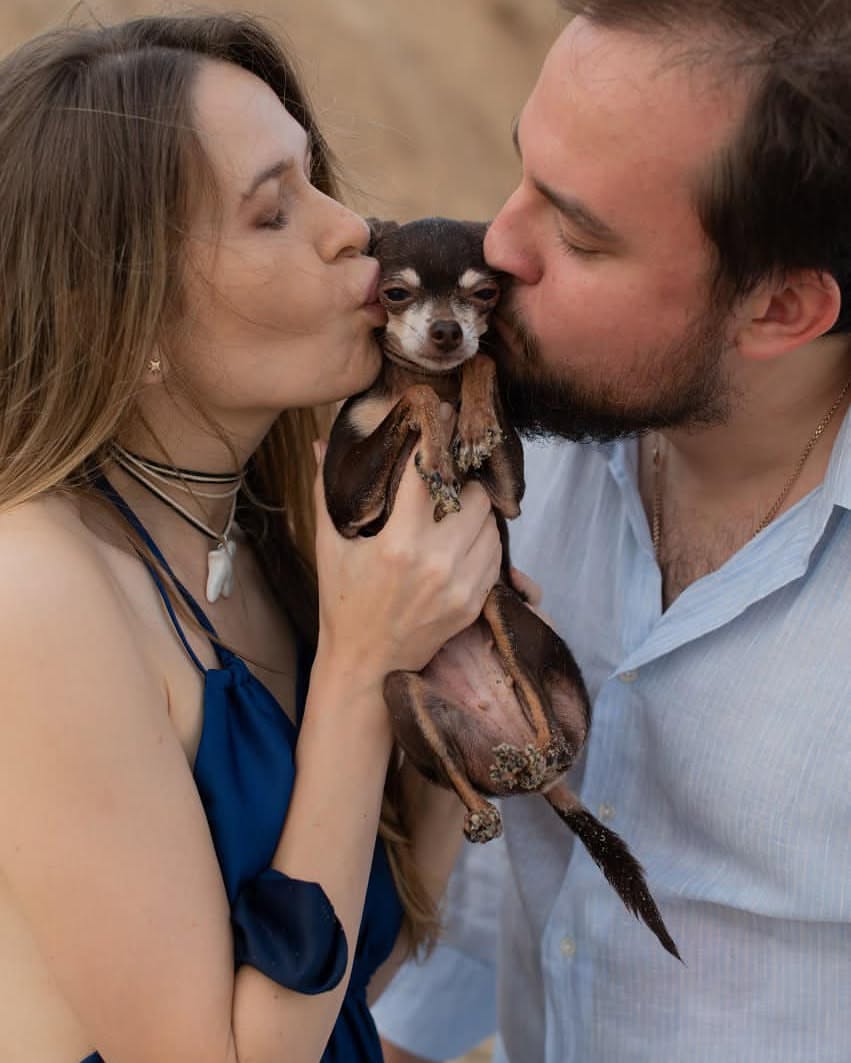
Photo: @slaventina_ / Instagram
The second pet to join our family was our cat, Bridget. We adopted a simple, country-bred black kitten. This little cat is very independent and proud. If someone tries to cuddle her when she’s not in the mood, Bridget might even swat at them.
Next, we got a Labrador cross called Siri. She was originally bought for a child, but they got bored of her. Then she ended up with us.
The third is our dog, Kukuruza. This was a deliberate rescue. Last winter, she turned up at our gate. She was in heat, and we realised that, at the very least, she needed to be spayed, which is what we did. After that, she didn’t really want to go anywhere else.
I couldn’t give her to our URSA animal rescue centre because they need space for animals evacuated from the front line, and this dog is local. I thought that an animal from a war zone would need this space more and that it was more important for them, so Kukuruza stayed with us. We have a large plot of land and a house. I believe that if you have such facilities, you can at least take in a few animals. Kukuruza is huge and very kind.
This winter, I rescued a cat called Whisky. It was freezing cold, with temperatures below −20 °C.
She was living in a group with other cats. I started trying to catch them. I only managed to catch her. I couldn’t catch the other cats. Unfortunately, they died.
But Whisky is doing well. She lives with us and gets fed at three houses at once — ours and our neighbours’.
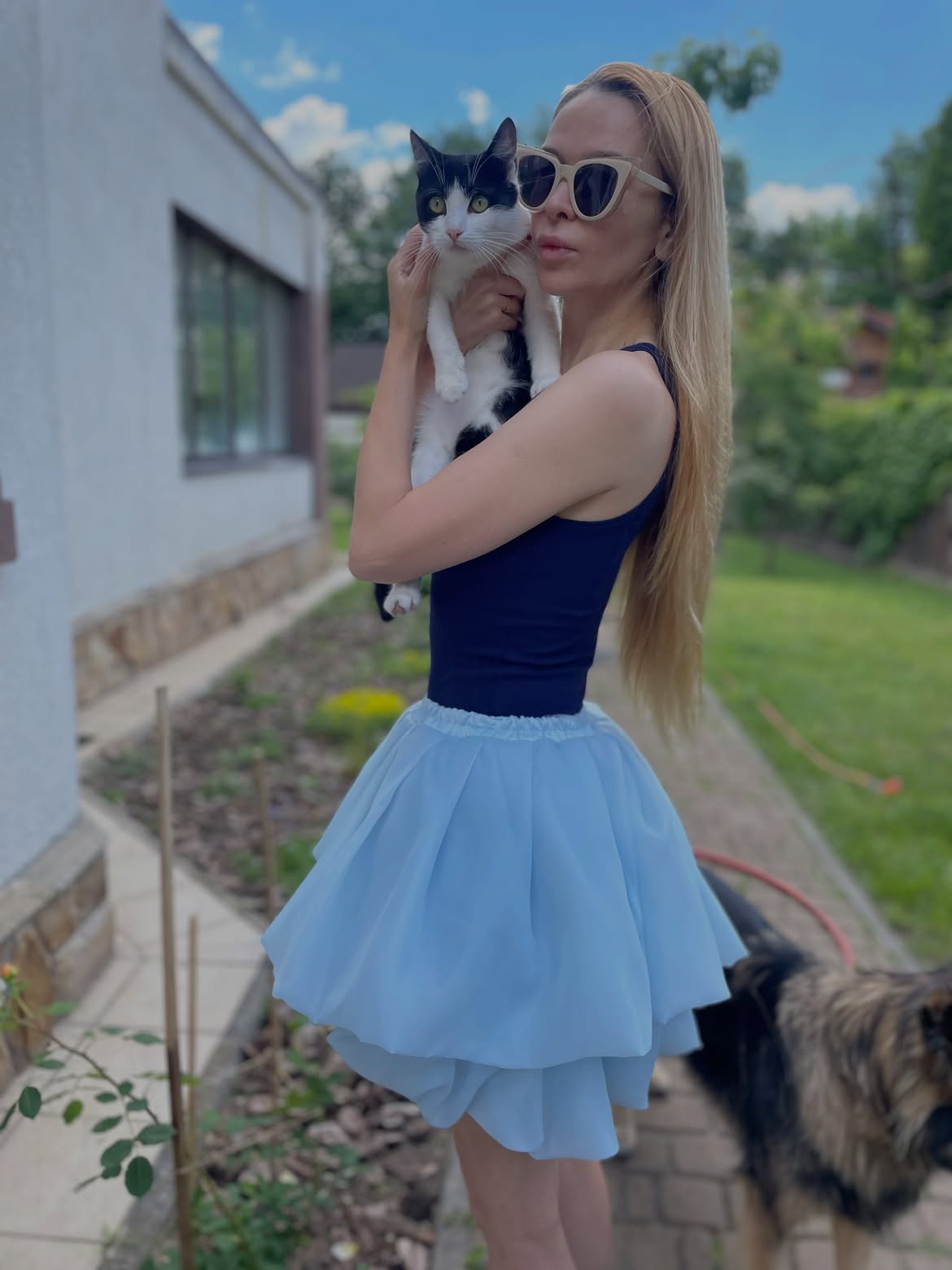
Photo: @slaventina_ / Instagram
My husband’s father has two other dogs. The first is Runa, a sheepdog cross – a brilliant big dog. My husband rescued her. He’s a military volunteer and a shooting instructor. One day, he went to the firing range to teach the lads how to shoot, and there he found a dog with injuries. He brought her home, but we didn’t have any more room, so we gave Runa to his father.
The second dog is an Akita called Fox. It’s exactly the sort of serious breed that needs a lot of attention. I look after him too — he’s my absolute favourite boy. But it pains me that dogs like him often end up in shelters because it’s a complex, strong breed. You have to be prepared for it.
It’s a stubborn breed, often uncontrollable, because you never know what’s going on in his head. One moment he’s a friend here, and the next he’s grabbing another animal with a deadly grip. So there are certain nuances, and they’re quite serious.
Perhaps there’s a point you’d like to convey to readers that I haven’t asked about yet?
It would be wonderful if Ukrainians donated not only to save specific animals, but also to support legal work, including legislative efforts. When work on legislation is underway, a team of specialist lawyers is needed to draft a high-quality and useful document. So far, no one is donating to this kind of work.
Love animal welfare, support it, and say ‘thank you’ to those involved — it’s very important.