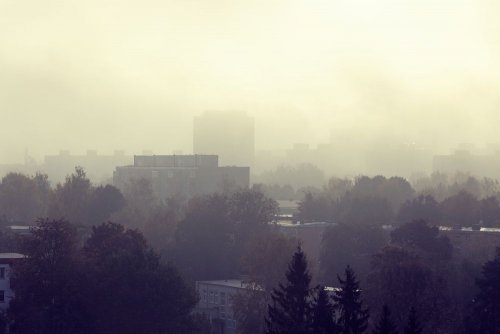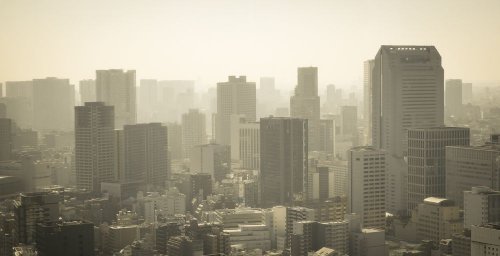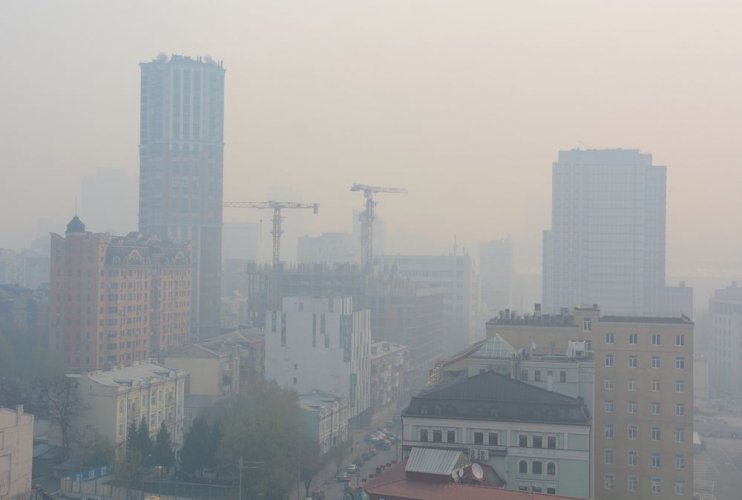
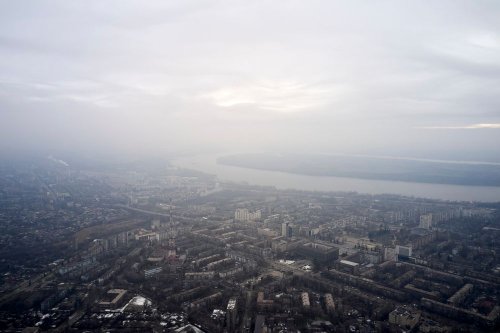
Air quality deterioration recorded in Kyiv

Air quality deterioration recorded in Kyiv shutterstock.com/ru

Illya Fedun

The authorities advise temporarily refraining from going outside.

Air quality in the capital has deteriorated due to increased dust concentration. The cause of the pollution is likely to be meteorological conditions, in particular low wind speeds.

This was reported by the press service of the Kyiv City State Administration.

To improve air quality, city authorities recommend:

1) Closing windows;

2) Limiting walks outside;

3) Drinking plenty of water;

4) Activating air purifiers, if available.

Air quality monitoring stations are operating in most areas of the capital. Experts have recorded the following results on the streets:

1) Turivska Street – 82 (high pollution index).

2) European Union Avenue – 79 (high pollution level)

3) Shchuseva Street – 83 (high pollution level).

4) Kytaivska Street – 68 (medium pollution level)

5) Beresteyskyi Avenue – 64 (medium pollution level).

6) Kharkivske Shose Street – 77 (high pollution level).

7) Verbytsky Street – 78 (high pollution level).

As EcoPolitics wrote earlier, air quality in the capital has significantly deteriorated after the night attack.
Tags: , ,
Related
A working group is being formed in Ukraine to reform government policy on industrial pollution

The Ministry of Economy invites government officials, businesses, and experts

An 87% reduction in emissions by 2040: The UK has updated its climate target

The development of green energy and a reduction in meat consumption are expected to play a key role in this

How clean is the air in Ukrainian cities on June 3?

The air in Zhytomyr is currently the least polluted

The EU ETS needs reform due to the heavy burden on industry — ERCST

Free allowances currently cover less than 10% of emissions