After the explosion at the Kakhovka Reservoir, the dried-up bottom is becoming overgrown and turning into a meadow, while also retaining toxic substances.
This was reported by The Guardian.
According to experts, heavy metals and other pollutants entered the water for years, as industrial facilities located along the river discharged waste into it. The toxins settled on the bottom of the reservoir, forming a massive sponge. Freshwater ecology specialist Oleksandra Shumilova notes that the reservoir bottom contains approximately 1.5 cubic kilometers of sediment.
After the disaster in June 2023, a significant amount of toxins spread over a larger area – heavy metals may have entered freshwater sources, soil, and been absorbed by plants. In the case of small doses, the accumulation effect occurs, and according to experts, this may cause radiation buildup at the site of the reservoir.
The consequences for humans may include cancer, endocrine disorders, and lung and kidney problems. Animals inhabiting the area are also harmed.
"This is an opportunity we cannot miss", “If Ukraine decides to protect the Great Meadow, it is not only a salvation of the landscape but also a choice to believe in its future,” says conservationist Dr. Yevhen Simonov.
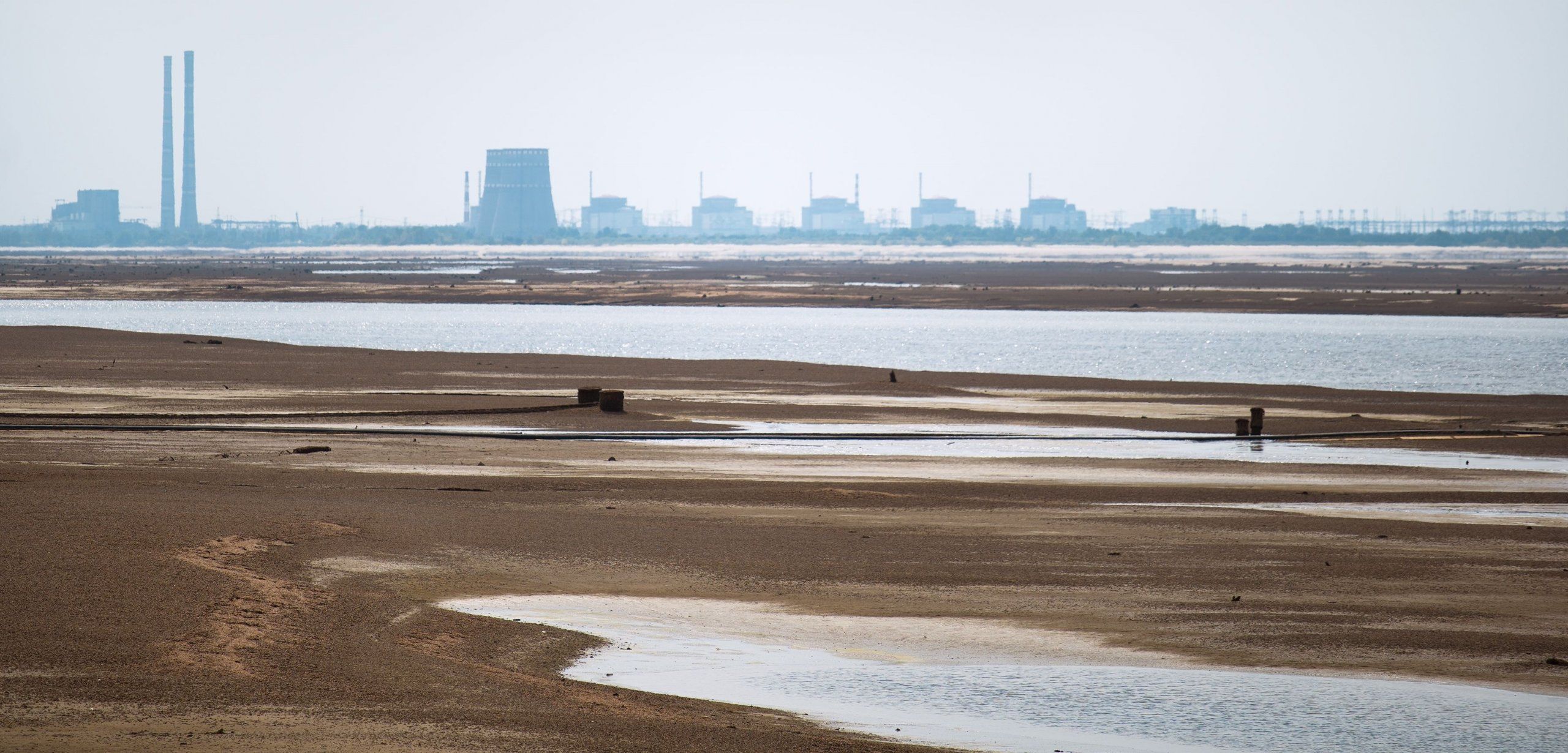
Photo: shutterstock.com/ru
The drained reservoir is now home to dense thickets of willows and poplars, as well as vast wetlands. According to experts, the bottom of the Kakhovka Reservoir may eventually host the largest floodplain forest in the steppe zone of Ukraine. In just three years, up to 40 billion tree seeds have sprouted.
It is currently unknown how the toxins interact with the food chain in this area, because for now, it is too dangerous to conduct regular research in the Kakhovka Reservoir.
Earlier, Ecopolitics reported that toxic substances entered the soil due to the discharge of petroleum products in Odesa region.