The last Thursday in September is the day on which the international community marks World Maritime Day. The role of the seas and oceans is invaluable to humanity, so on this day the focus is on highlighting the issues and seeking effective – and, ideally, joint – measures to conserve water resources and natural ecosystems.
EcoPolitics explains the significance of this day around the world and in Ukraine.
The date was established by the International Maritime Organisation (IMO) and has been observed since 1978. Each year, the IMO sets a theme for World Maritime Day to focus on specific threats and solutions. In 2026, the theme is ‘From Policy to Practice: Promoting Maritime Excellence’ — recognising the need to implement international laws and standards for safe and reliable shipping.
"This year’s theme recognises the reality that the rules will ensure safer, more sustainable and cleaner shipping if they are implemented worldwide. Implementation should make a difference where it matters most – for people working at sea. Seafarers come first,” said IMO Secretary-General Arsenio Domínguez.
The Ukrainian context
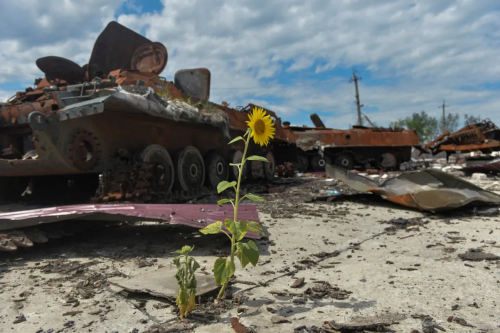
The seas bordering Ukraine — the Black Sea and the Sea of Azov — have been subjected to relentless and extremely destructive impacts since the outbreak of full-scale war. Military operations, pollution, explosions and mining — all of these do not merely pose a threat, but are already affecting the ecosystems.
Here are just a few facts:
Dolphin deaths. Scientists estimate that, as of August 2026, more than 100,000 cetaceans had died as a result of factors linked to the war.
Pollution caused by attacks on ships and ports spreads through the waters and washes up on the shores, including within protected areas. For example, oil from the port in Chornomorsk was detected in the Tuzly Estuaries National Park even a month after the attack.
The occupation of over 272,000 hectares of protected marine areas. These are threatened by changes to conservation regimes and the uncontrolled use of natural resources. Even the 460,000 hectares that remain under Ukrainian control are suffering the devastating effects of the war.
The threat of a methane disaster. By the end of 2025, more than 950 active leak points of this gas—which is toxic to the Black Sea—had already been recorded. The causes include offshore drilling, explosions during military exercises, and the construction of military facilities in coastal areas.
It is impossible to record the consequences of the armed aggression in the Sea of Azov due to the occupation of the entire coastline, whilst in the Black Sea this is made difficult by shelling and the threat of attacks. However, all incidents are being documented, and the evidence gathered will be used in the future to hold Russia to account.
"The conservation and restoration of marine ecosystems are a vital part of Ukraine’s future. Once hostilities have ceased, our seas will require comprehensive measures to restore the natural balance, conserve biodiversity and ensure the sustainable use of aquatic biological resources,” stressed the State Agency for Land Reclamation, Fisheries and Food Programmes.
As a reminder, due to rising sea levels, over 10 per cent of the world’s population has found itself at risk. Over the past 33 years, the sea level has already risen by 10.6 cm.