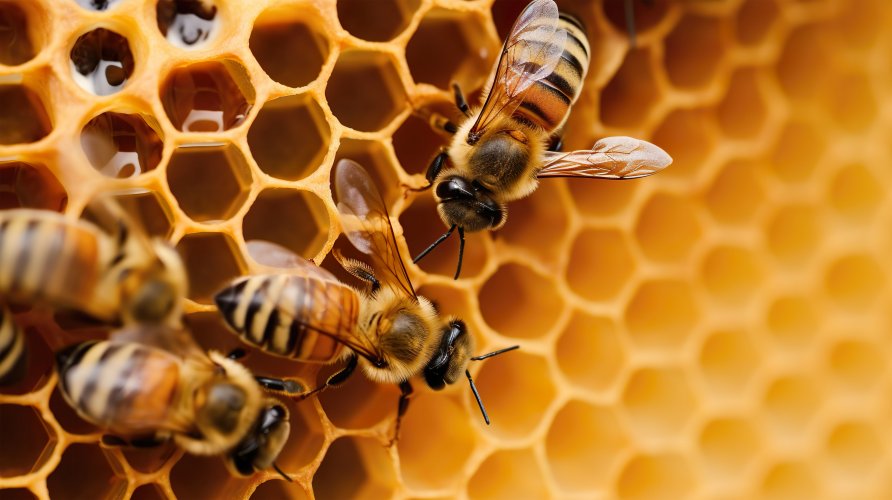
Every year on May 20, the world celebrates World Bee Day. It was established to remind everyone how important these small, hardworking insects are to our planet. Bees are irreplaceable pollinators that play a key role in food production, maintaining biodiversity, and ensuring the overall health of the planet.
EcoPolitic has prepared interesting facts about this day and the importance of hardworking babies for our planet.
The World Bee Day was introduced in 2017, and the date chosen was May 20 – the birthday of Anton Janša, a prominent Slovenian beekeeper and an innovator in this field. He is considered one of the founders of modern beekeeping.
Why are bees so important?
All pollinating insects affect the quality of our lives, and bees play a leading role among them. They pollinate about a third of all food crops in the world. Without their help, the human diet would be much poorer, because we would lose many fruits, vegetables, nuts and other delicious food. A world without pollinators would be devoid of food diversity – there would be no blueberries, no coffee, no chocolate, no cucumbers.
In addition to producing food, pollinators also contribute directly to the creation of medicines, biofuels, fabrics and building materials.
Bees help maintain ecosystems in which many other plants and animals live. Without them, nature would become much poorer. Maybe you remember the cartoon "About everyone in the world" from your childhood? In it, the impact of the bees' work was very clearly shown: when they disappeared, the clover they pollinated also disappeared, and one of the main characters – the sheep Byashka – was left without food.
What threatens these beneficial insects?
Unfortunately, bees are endangered for several reasons:
- Loss of habitat. Intensive agriculture, deforestation and urbanization destroy places where bees can live and forage.
- Pesticides. Chemicals used to control pests can be fatal to bees.
- Diseases and parasites. Bees, like humans, suffer from various diseases and parasites, such as varroa.
- Climatic changes. Climate changes affect the flowering time of plants and the behavior of bees, which complicates their work.
How can we help?
There are a few simple things each of us can do:
- Plant honey plants. Plant flowers and trees that bees love. This will help provide them with a food base.
- Avoid pesticides. Reduce the use of chemicals or use eco-friendly alternatives to avoid harming the bees.
- Support local beekeepers. Buy honey and other bee products from local producers, thus supporting them financially.
- Spread the word. Tell friends and family about the importance of bees and how they can help. It is especially important to involve children. If there is such an opportunity, organize a tour of the apiary for the little ones so that the children can see how bees live and work.
Scientific developments and innovations
Scientists are actively researching the problems of beekeeping and looking for new solutions. They develop methods to control diseases and parasites, create pest-resistant plants and innovate beekeeping. One of the interesting areas is the use of robot bees for pollination. Their use can help in the case of declining populations of natural pollinators.
Bees are a symbol of cooperation and hard work. They show how small efforts can have a big impact. Let's take care of bees together, because not only their future depends on it, but also ours.
Earlier, EcoPolitic wrote, that on April 20, Environment Day is celebrated in Ukraine.