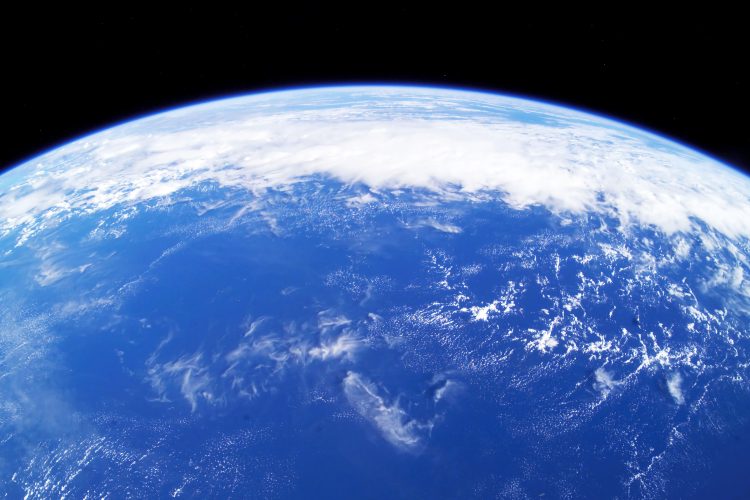
The ozone layer, which protects the planet from excessive ultraviolet radiation, is under threat due to human activity. The first signs of a hole in the ozone layer were detected as far back as the 1980s, and since then humanity has been working consistently to avert the worst-case scenario. Today’s date serves as a reminder of the value of collective efforts and the threat that could befall humanity if we fail to act.
So what exactly is the ozone layer, why is it so crucial, and what is the current situation? EcoPolitics explains.
The history of the date
On this day in 1987, the Montreal Protocol on Substances that Deplete the Ozone Layer was signed. This landmark document not only recognised the catastrophic impact of human activity, but also called for specific measures — the reduction or complete cessation of the production and consumption of those chemicals capable of destroying the Earth’s atmospheric shield.
The date on which the protocol was signed in 1994 was chosen as the annual Ozone Layer Protection Day. This was enshrined in a relevant resolution of the UN General Assembly.
Why does the planet need the ozone layer?
The ozone layer, or ozone sphere, is located in the stratosphere, at an altitude of between 15 and 35 km. There, the concentration of ozone is about ten times higher than at the Earth’s surface. The existence of the ozone sphere was first discovered as far back as 1913.
It is not just another gas layer, but a genuine shield against the Sun’s ultraviolet radiation. Ozone absorbs it intensively and reduces the harmful levels that reach us.
In small concentrations, ultraviolet light is beneficial to living organisms; however, excessive doses can cause burns, eye damage and skin cancer.
High doses of radiation are also harmful to plants, which are forced to respond by altering their pigmentation in order to counteract the damage. Otherwise, mutations occur, chlorophyll is destroyed and photosynthesis is inhibited, which slows down growth.
What is destroying the ozone layer?
At present, humanity cannot completely prevent holes from forming in the ozone ‘layer’. However, there are factors over which we do have control. First and foremost, these are the use of ozone-depleting substances.
These chemical compounds include:
- chlorofluorocarbons, or CFCs. They were previously widely used in fridges, air conditioners, foam products and aerosols.
- halogen-containing compounds, or halons. These were often used in obsolete fire-extinguishing systems;
- nitrogen oxides. These are produced during the flight of jet aircraft, the launch of spacecraft and rockets, and as a result of certain industrial processes;
- methyl bromide, which is used as a pesticide in agriculture.
Humanity’s achievements
The ozone hole was first detected over Antarctica — its area exceeded 1,000 square kilometres. It is unstable and seasonal in nature — it appeared at the end of summer and disappeared in winter. Subsequently, a smaller ozone hole was detected over the Arctic.
However, over the years, the peak area of these ‘breakthroughs’ began to shrink. As EcoPolitic reported, by the end of 2025 it had become one of the smallest in the last 33 years. As of early December, its area stood at 18.7 million km2.
"We are seeing a trend towards a reduction in the size of the ozone holes compared with the early 2000s. They are forming later in the season and dissipating earlier. But we still have a long way to go before it recovers to 1980s levels," NASA added at the time.
Scientists attribute this progress to the implementation of the Montreal Protocol and restrictions on the use of ozone-depleting substances. According to forecasts, the ozone layer in the Northern Hemisphere will have recovered to 1980 levels by 2030, and in the Southern Hemisphere by 2050.
In Ukraine, the Law ‘On the Regulation of Economic Activities Involving Ozone-Depleting Substances and Fluorinated Greenhouse Gases’ is in force to tackle this global problem. In addition to directly limiting emissions within the country, it aims to restrict the import into Ukraine of obsolete equipment that uses ozone-depleting compounds.