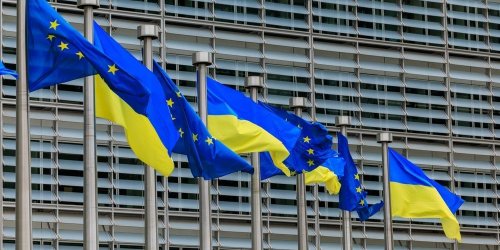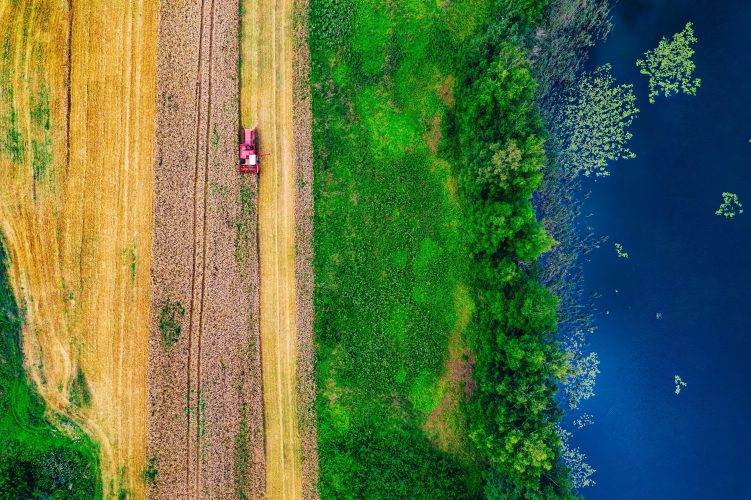
The Ukrainian parliament has backed in first reading a bill aimed at protecting surface water and groundwater from nitrate pollution caused by agriculture. This is an important step towards implementing the EU Nitrates Directive, and Ukraine has committed to the EU to put its requirements into practice by the end of 2028. EcoPolitic looks at the bill and the obstacles to implementing its provisions. Bill No. 11486 "On the Protection of Waters against Pollution Caused by Nitrates from Agricultural Sources" was registered on the Verkhovna Rada website back on 16 August 2024. It was initiated by a group of MPs led by Oleh Bondarenko, Chair of the parliamentary Committee on Environmental Policy. The document was adopted in first reading on 9 November. In line with the EU directive, it will regulate, among other things, when fertilisers may be applied to the soil and how they should be stored.
Protection against nitrates
In the explanatory note, the lawmakers stressed that nitrate pollution is the main driver of biochemical changes in water bodies. Overall, more than 70% of Ukraine's territory is agricultural land that is regularly cultivated.
"The use of mineral fertilisers, the accumulation and treatment of manure on livestock farms, and the intensification of erosion on ploughed land lead to water pollution with phosphorus and nitrogen compounds and to the eutrophication of natural water bodies," the note says.
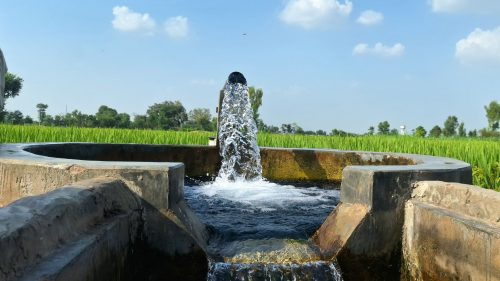
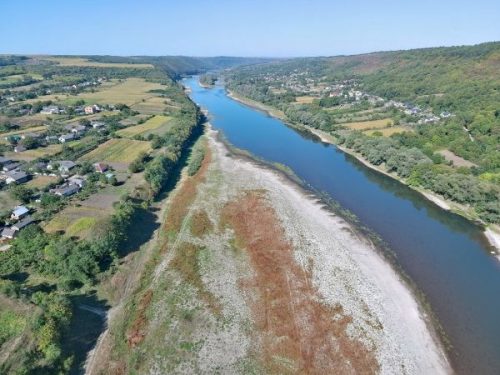
It is difficult to measure the scale of water and land pollution from the agricultural sector. However, nitrates and other nutrients entering water bodies from agricultural sources account for 30% to 90% of all nutrient pollution of water. At the same time, pesticide levels exceed the norm in drinking water sources supplying more than half of Ukraine's population. In water bodies, such pollution can be detected visually through more intense algal "blooms".
What the bill provides for
In effect, the document regulates various aspects of tackling nitrate pollution, from identifying vulnerable waters to state control and the obligations of businesses. In particular, the bill contains provisions that set out:
- the procedure for identifying waters affected or likely to be affected by nitrate pollution, as well as for designating nitrate vulnerable zones;
- the content of the rules of good agricultural practice for protecting waters, reducing nitrate pollution from agricultural sources and preventing such pollution in the future. These cover the periods when nitrate fertilisers should not be applied to the soil, the conditions for such work near watercourses, the capacity of manure storage tanks, etc.;
- monitoring of nitrate levels in waters and implementation of the Action Programme;
- the powers of central government authorities;
- the rights and obligations of businesses.
The document also amends the Land Code and the Law "On the State Land Cadastre". In particular, information on areas vulnerable to nitrate pollution will be added to the State Land Cadastre data.
Practical implementation and commitments to the EU
The Ministry of Economy later reported that it had discussed the implementation of the Nitrates Directive with representatives of the European Commission's Directorate-General for Environment. Besides Bill No. 11486, the issue of monitoring was also raised. The ministry acknowledged that the available data are not yet sufficient to determine the actual level of pollution and identify where priority measures are needed. Yet it is precisely monitoring data that are required to designate zones vulnerable to nitrate accumulation.
"Modelling that takes into account soil type, climate, crops grown and farming methods will help assess the risk of nitrates entering water and select measures for specific areas. Data on the state of waters will also show how much pollution needs to be reduced to achieve the objectives of the EU Water Framework Directive," the Ministry of Economy stressed.
EcoPolitic previously reported that excessive nitrate levels were found in 21.4% of decentralised water supply sources. Overall, according to the State Service of Ukraine on Food Safety and Consumer Protection, more than 10% of the water supply facilities inspected fail to meet sanitary requirements.