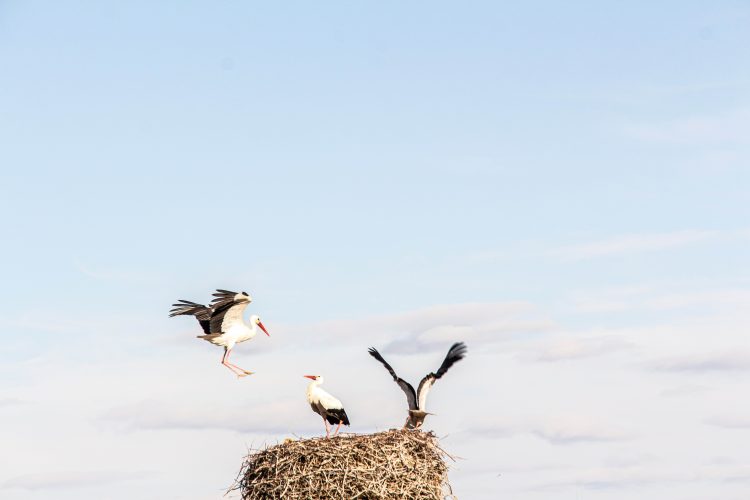
People build cities, cut down forests and drain marshes, and start wars and conflicts – but against the backdrop of all this human ‘activity’, migratory birds continue their vital journey between countries and continents. Every year, on the second Saturday in October and May, World Migratory Bird Day is observed. Its aim is to draw attention to the obstacles that hinder the birds’ vital journey.
EcoPolitic discusses this date and its significance for Ukraine.
The festival was launched in 2006 on the initiative of ornithologists from the Cornell Lab of Ornithology. It is organised by the secretariats of the Convention on the Conservation of Migratory Species of Wild Animals, the Agreement on the Conservation of African-Eurasian Migratory Waterbirds, the East Asia–Australasia Flyway Partnership and Environment for the Americas (EFTA).
They bring together governments and non-governmental organisations along the main bird migration routes.
The role of the public
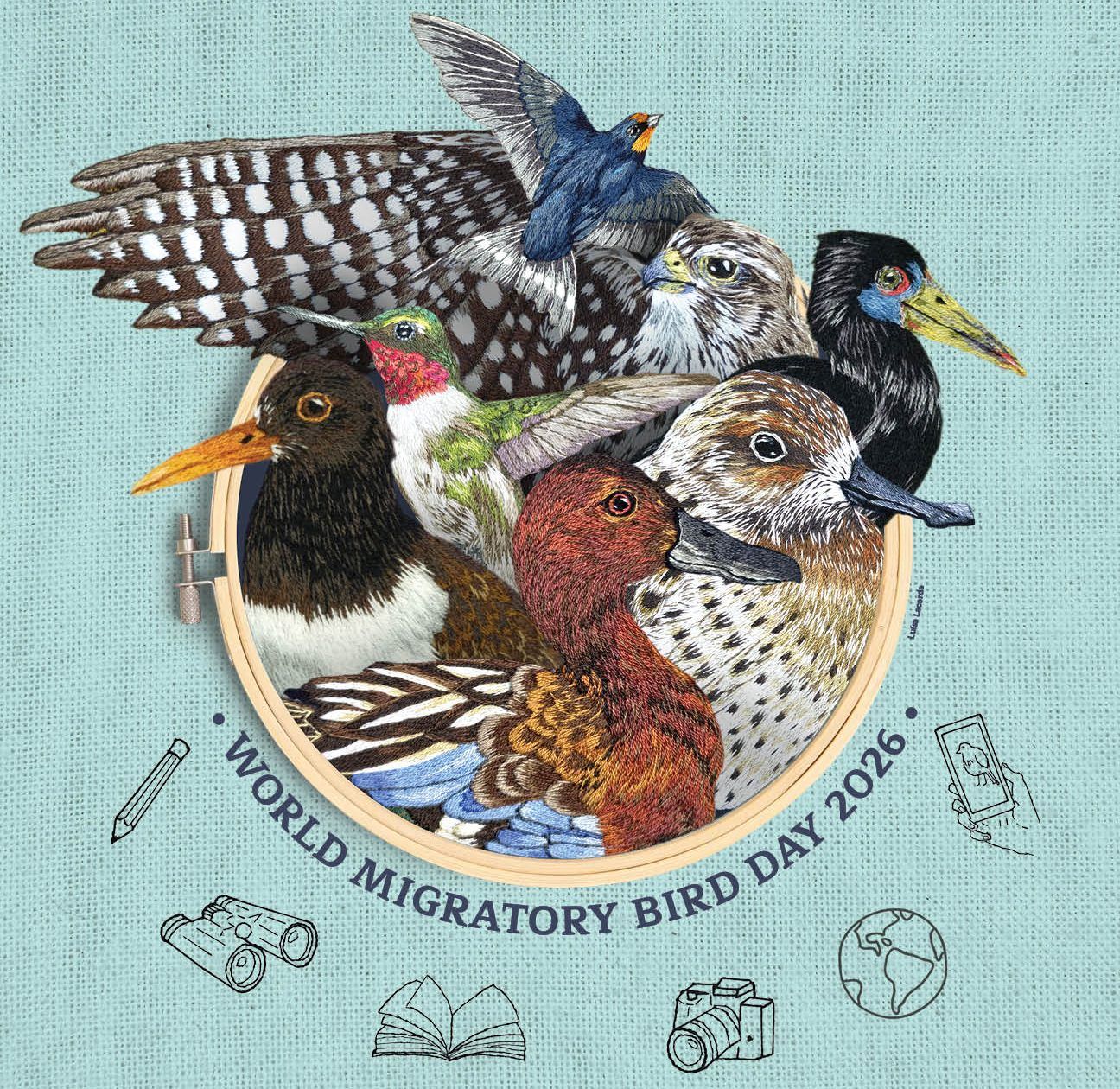
In 2026, the organisers decided to focus on the role of community efforts in bird conservation. This year’s theme is: “Every bird counts – your sightings count!”
The narrative of this event is to highlight the role of community initiatives and individual enthusiasts, whose keen observation and commitment enable us to expand our knowledge of migratory birds, which may in future influence local and international decisions.
After all, every recorded observation is a means of influence and adds a detail to the overall picture of our understanding of the real situation.
"Millions of people around the world provide vital information about migratory birds, their habitats and the challenges they face each year. Thanks to these recorded sightings, people are taking part in citizen science, which helps to track migration patterns, population trends and changes to habitats along migration routes,” note the organisers.
Source: WMBD
Risk in the Ukrainian context
Among the migratory birds found in Ukraine are, in particular, the white stork, the grey crane, the grey heron, swallows, swifts, rooks, starlings, larks and eastern nightingales. Our birdlife also includes pink pelicans and even pink flamingos, which in recent years have been nesting in the south of the Odesa region.
In Ukraine, migratory birds face two threats – human activity in migration corridors and full-scale war.
According to Ukrainian ornithologists, military operations threaten to cause a decline in the population and even the extinction of certain bird species in specific regions. Apart from direct attacks and pollution, the key risk factor is explosions. Birds are much more sensitive to loud noises, and the pressure surge from an explosion can even cause their death.
Military activity, whilst it may not harm the birds’ health, could disrupt the breeding season. For example, greater flamingos have been nesting in the Tuzly Estuaries National Nature Park since 2021. However, due to the explosions, they have only been able to raise a brood once – in 2023.
Another threat to birds is the destruction of their habitats: deforestation, the draining of wetlands, and the disappearance of small rivers due to drought and global warming. People sometimes create deadly traps, such as wind turbines. For example, in the ‘Podilski Tovtry’ National Park, a wind farm is already being built without an environmental impact assessment. And it is precisely through this nature reserve that birds and bats migrate.
It is therefore extremely important to take migratory birds into account in economic activities. They fly thousands of kilometres every year, and man-made obstacles along their route can reduce their population.
As a reminder, DTEK has launched the ‘Stork Track’ project. Special sensors have been attached to the young birds to track their migration routes.