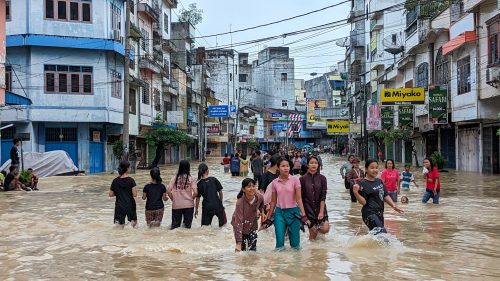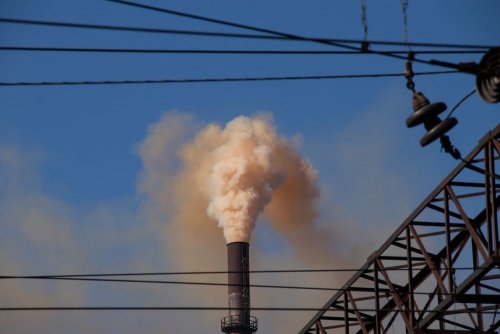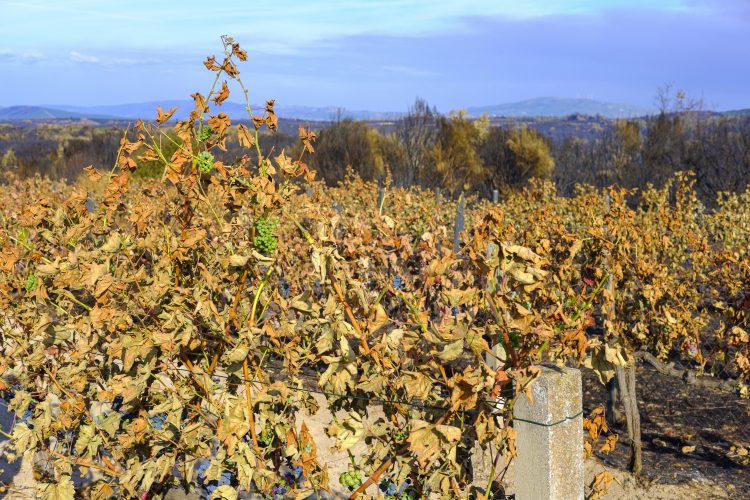
Across the globe, climate change in 2026 has affected the food sector. Extreme weather events have worsened growing conditions, the effects of which have already been felt by consumers in every corner of the world. Analysis confirms a new trend: whereas previously the weather led to temporary price rises, it is now becoming a persistent driver of inflation.
This was reported by Bloomberg, citing a study by Zero Carbon Analytic.
An international research company has produced a map showing spikes in food prices for the period from 2022 to 2026. In 2026, all price spikes, with one exception, will be directly linked to climate change and the resulting weather events: droughts, heavy rainfall or extreme temperatures.
"Climate inflation refers to the steady rise in the cost of living caused by dependence on fossil fuels and extreme weather conditions. This leads to persistent inflation, which places a strain on household budgets worldwide,” said Joan Bentley-McCoone, a climatologist and lead author of the briefing ‘Zero-Carbon Analytics’.
A global trend
The food sector was already grappling with the consequences of political tensions in the Middle East, which had an impact on logistics and energy costs. The climate has dealt a further, severe blow. However, 2027 could prove even harsher due to the exceptionally high intensity of the El Niño weather phenomenon.
In August, the UN Food Price Index had already exceeded its four-year high. This is due to rising prices for key commodities such as wheat, maize, sugar, cocoa and others.
"Even countries that are self-sufficient in basic commodities may suffer from inflation, as local harvests decline and El Niño disrupts global production and market prices," the report’s authors note.
Local examples
Climate change caused by human activity is increasing the duration and severity of soil droughts. As a result, it is causing crop damage five times more frequently in Western Europe and 11 times more frequently in Eastern Europe.
In particular, France is already bracing itself for its smallest maize harvest since 1980. Maize prices for 2026 have already risen by 16%. Other crops have also become more expensive: courgettes by 32%, tomatoes by 31% and beans by 25%.
In America, meat production has fallen to its lowest level in 75 years — prices have risen by 15%. This decline is partly due to drought and other weather conditions, as well as a deadly carnivorous parasite known as the New World screwworm. Record-breaking heat struck in the final months of winter, depleting the soil and pastures. In some places, farmers were forced to slaughter their livestock ahead of schedule.
In Spain, tomatoes are a staple of the shopping basket, yet their price has already risen by 11%. Initially, a key growing region received 175% more rainfall than usual, which flooded the fields. Then, in the summer, extreme heat and drought set in.
Extreme temperatures have also affected marine crops. In Japan, for example, the harvest of nori — the seaweed that is a key ingredient in sushi — has fallen due to heat stress. Its price has risen by around 20%.
Health risk
Analysts at Zero Carbon Analytic emphasise that weather conditions are affecting the availability of healthy foods in particular – fruit, vegetables and protein. Climate change therefore threatens to lead to a decline in the quality of people’s diets.
EcoPolitics previously reported on experts’ forecasts regarding changes to Ukraine’s agricultural potential due to global warming. Indeed, the south is already losing its productivity, whilst the main crops are ‘migrating’ westwards and northwards.