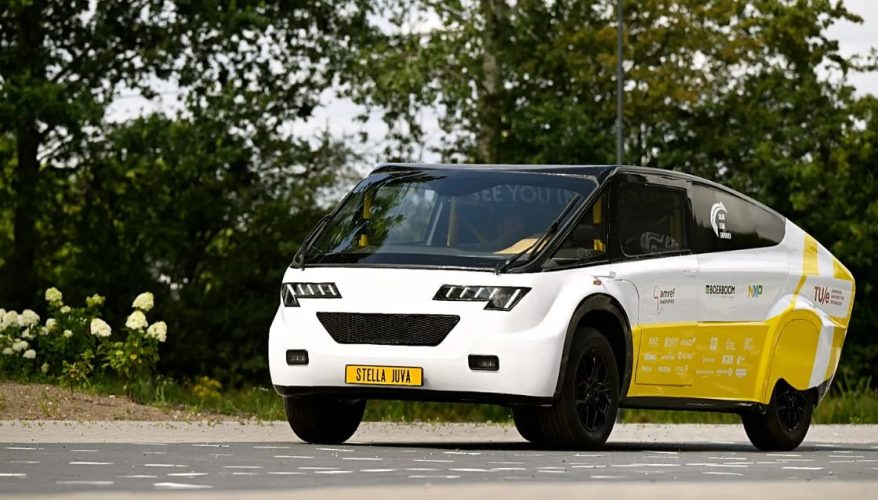
An ambulance powered entirely by solar energy has been developed in the Netherlands. As well as transporting patients, it can provide on-the-spot medical care — ranging from ultrasound scans to vaccinations. The vehicle has already been successfully tested in remote regions of Kenya, where both fuel and road conditions are challenging.
This is reported by Euronews.
Features of the rescue electric vehicle
The Stella Juva car was developed by Dutch students from Solar Team Eindhoven at Eindhoven University of Technology. The vehicle is essentially an electric car with built-in solar panels.
The problem of storing energy generated during the day is solved by batteries with a capacity of 50 kWh, which enable the vehicle to operate at night. This makes the car indispensable in regions where access to charging infrastructure or fuel is limited.
This ambulance does not merely fulfil a logistical role — transporting a patient from point A to point B. Inside the vehicle, there is the necessary equipment to provide medical care directly at the scene.
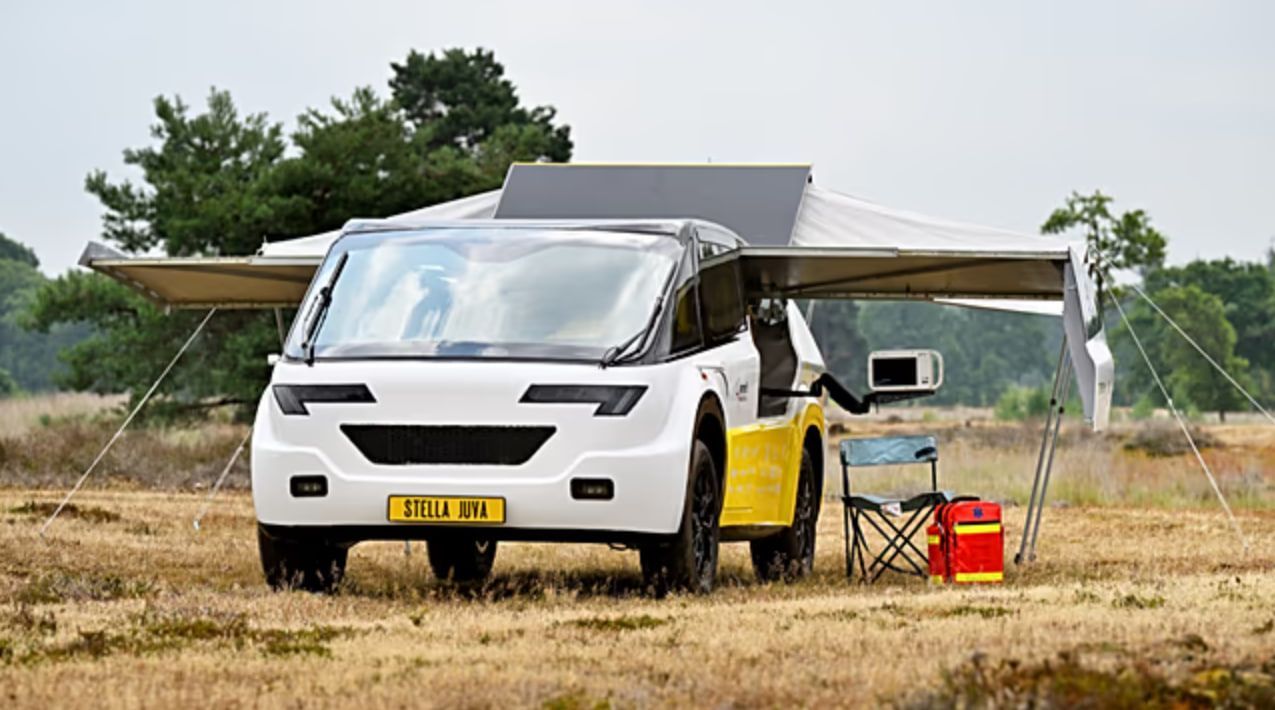
Whilst parked, the Stella Juva can be recharged. The crew unfolds the solar panels on the side of the car.
"This helps to generate additional energy and provide shade for the delivery of medical care. Whilst on site, the ambulance generates more solar energy than the medical equipment consumes. This means that medical staff can use the equipment continuously," said Jarno Basten of Solar Team Eindhoven.
Source: Bart van Overbeeke / Euronews
Already in service
The Stella Juva ambulance underwent its first trial in the Narok region of Kenya. At the time, the vehicle was used in collaboration with the international health organisation Amref Health Africa.
The ambulance proved its worth on rough terrain. The drive shaft connecting the steering wheel to the front wheels snapped due to the rough terrain. However, the designers had anticipated such a situation. Consequently, the crew already had all the necessary parts with them and were able to repair the vehicle in half an hour.
Energy self-sufficiency despite a wide range of equipment
Stella Juva is equipped with an ultrasound scanner, an X-ray machine, a defibrillator and refrigeration equipment for storing vaccines. In just two days of operation, the new ambulance provided treatment to around 200 people.
Using all the equipment at the same time served as a test of the solar panel. In practice, it turned out that the power generated whilst the car was stationary even exceeded the total power consumption of the equipment.
"In Narok, long distances and an unreliable electricity supply still make it difficult to access high-quality medical care. Stella Juva can not only transport healthcare workers to remote communities, but also provide them with the power and medical equipment needed to examine and diagnose people on the spot,” said Jeffrey Sader, project manager for maternal and child health at Amref Health Africa.
The developers hope that, following successful testing, relevant organisations will take notice of Stella Juva.
EcoPolitic previously reported on robotic drones that have already been tested to clear rubbish from the seabed.