Ukraine is bringing its legislation on renewable energy sources into line with European Union standards. The Verkhovna Rada adopted the relevant draft law No. 14271 on 2 September. The document concerns the simplification of licensing procedures, the regulation of the legal status of zones for the accelerated development of renewable energy sources, and independent audits for biofuels.
This was reported by the Verkhovna Rada Committee on Energy, Housing and Utilities.
This refers to the government’s draft law No. 14271 “On Amendments to Certain Laws of Ukraine Concerning the Implementation of European Union Legislation in the Field of Renewable Energy Sources”.
Key changes
According to the relevant committee, the adoption of the law was necessary to meet the requirements of European integration, in particular those set out in Chapter 15 of the accession negotiations, ‘Energy’.
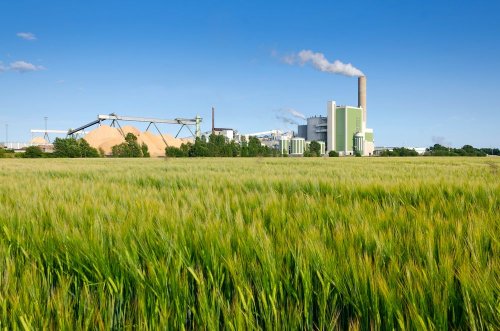
According to the explanatory note, the document updates the terminology, introduces sustainability and greenhouse gas emission criteria, as well as accounting, certification and independent audit systems for biofuels, bioliquids and biomass fuels.
Among the changes designed to accelerate the development of ‘green’ power generation and encourage investment in renewable energy sources is the streamlining of licensing procedures. This is to be achieved, in particular, through digitalisation and the introduction of deadlines.
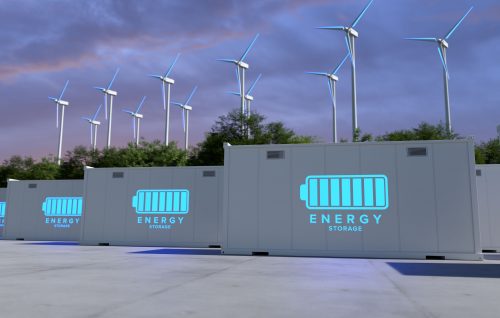
Lawmakers have devoted specific provisions to regulating the establishment of special zones for the accelerated development of renewable energy sources, as well as the construction of grid infrastructure and energy storage facilities. The document also clarifies the legal status of consumers of self-generated energy and communities that are developing renewable energy sources within their territory.
"The adoption of the Act is an important step towards Ukraine’s further integration into the European energy area, the development of ‘green’ power generation, attracting investment and strengthening the country’s energy independence," the committee emphasised.
Previously, the Parliament’s Legal Directorate had raised a number of objections to the version of the draft bill prepared for the second reading. Some of its provisions are not in line with current legislation and the Constitution of Ukraine.
In particular, the adoption of the law could have led to a substantive conflict with the Law ‘On Environmental Impact Assessment’. The document proposes that, if the modernisation of a renewable energy facility increases its capacity by no more than 15 per cent, an environmental impact assessment should be carried out only in relation to the impact of that increase. At the same time, the current law requires an assessment of all planned activities and all their impacts. This gives rise not only to a conflict but also to the risk that, during the modernisation of a facility, the full environmental impact – in particular, cumulative, long-term or indirect impacts – may not be assessed.
EcoPolitic previously reported that, at the end of 2025, Ukraine ranked fourth amongst European countries in terms of the development of the energy storage market.
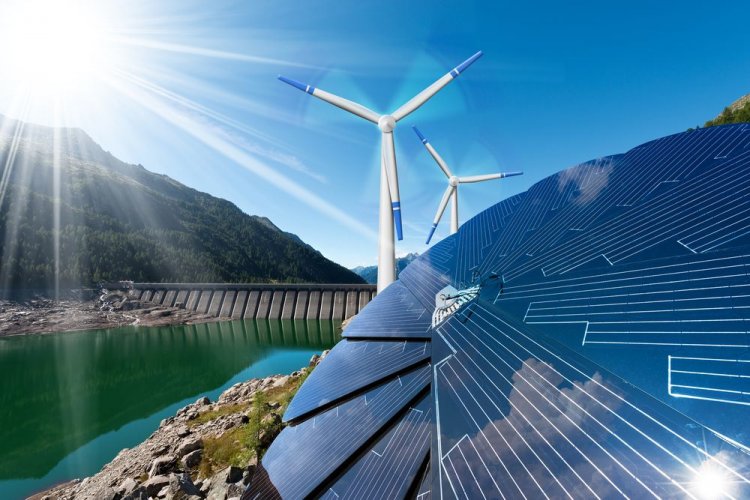
That same year, ‘green’ energy accounted for 11 per cent of Ukraine’s electricity generation.