The tree belts around fields act as an important barrier against the wind, as well as a means of combating erosion of agricultural land and even preventing the southern part of Ukraine from turning into a barren desert. However, these plantations have recently been losing their effectiveness.
EcoPolitic examined why this is happening and what the purpose of shelterbelts actually is.
Natural factors
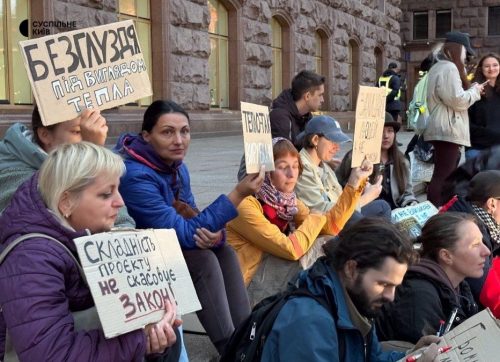
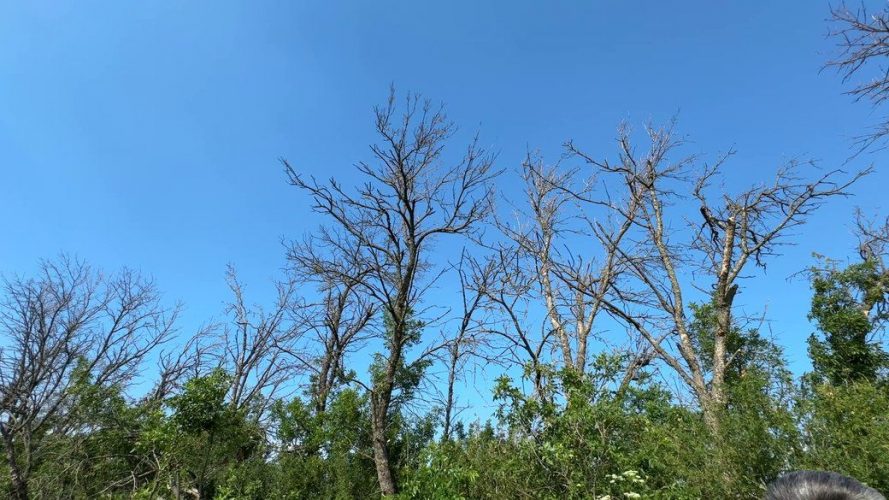
The media outlet "Suspilne" paid attention to the drying out of shelterbelts in the Kirovohrad region. Scientists offer no optimistic outlook. For example, near the village of Hruzke, these plantings could die out within one to two years, and eventually this situation may spread throughout the entire region.
"It can be said with 100% certainty that there is not a single healthy tree – all of them have dried-up tops. Many of the trees are broken and simply fall from the winds. There are many dead trees, almost all of the treetops are dry. It's only a matter of time before they completely wither away. This ash tree is dying for various reasons, including root rot caused by fungi," commented Vitalii Hulai, associate professor at the Department of Ecology and Environmental Protection at Central Ukrainian National Technical University, on the situation.
Most of the shelterbelts were planted a long time ago. In the Kirovohrad region, many date as far back as the 1960s–1980s. Therefore, most of the trees are naturally reaching old age.
A tempting prize for 'black loggers'
Alongside insurmountable natural and climate factors, there is another equally challenging factor – human greed. During systematic monitoring of violations of environmental law, EcoPolitics has repeatedly uncovered offenses of various scales related to the destruction of protective plantings.
For example, in the Shyshaky community of the Poltava region, illegal logging in shelterbelts has become an outright family business. From May to July 2026, a father and son managed to destroy over 150 oak trees, inflicting nearly 3 million UAH in damages to the community. Naturally, they could not have managed this alone. It is known that their relatives and accomplices hired locals, claiming to possess logging permits. Prosecutors have already notified the men of suspicion, and the court is preparing to seize their timber and tractor unit.
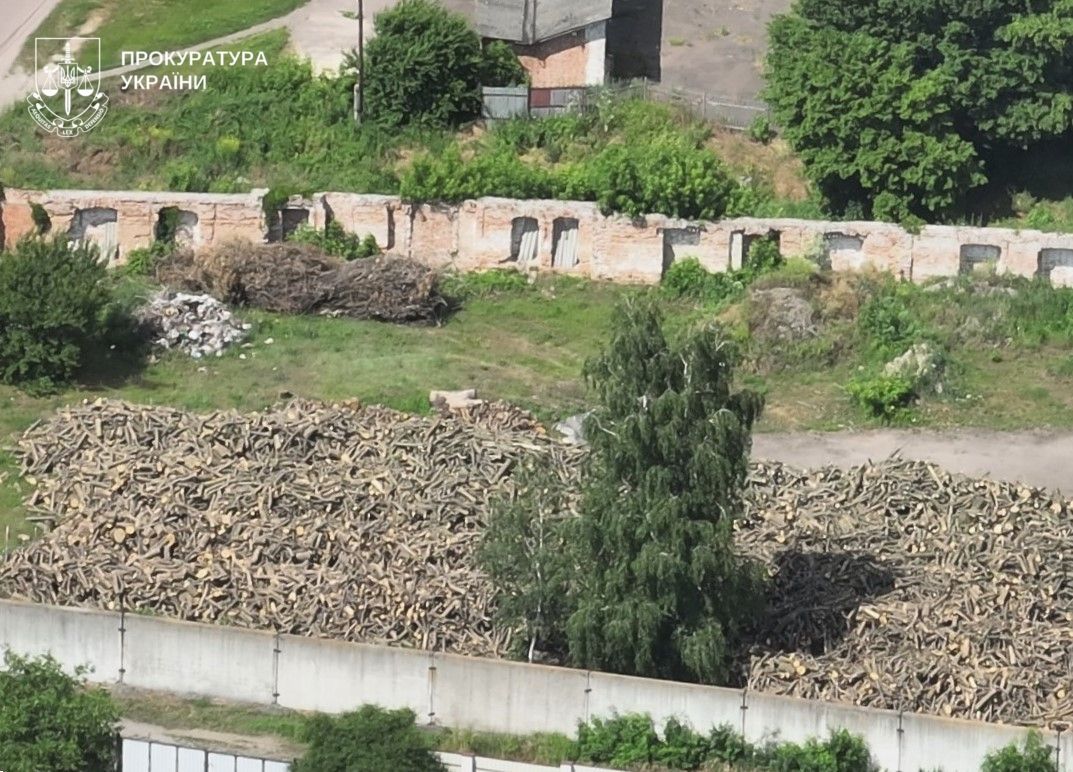
Source: Poltava Regional Prosecutor's Office
In Mykolaiv region, a larger group operated – seven residents of the village of Lysa Hora, from November 2025 to March 2026, cut down more than 90 trees in protective plantings. Naturally, they had no permits. As a result, the state suffered losses of almost 2.7 million UAH.
However, the largest such crime in recent months occurred in the Dnipropetrovsk region. There, in the Pavlohrad district, over six months, more than 1,000 (!) trees were destroyed in shelterbelts. Prosecutors uncovered two organized groups involving 15 individuals. The offenders included two law enforcement officers. Environmental damages exceeded 14 million UAH.
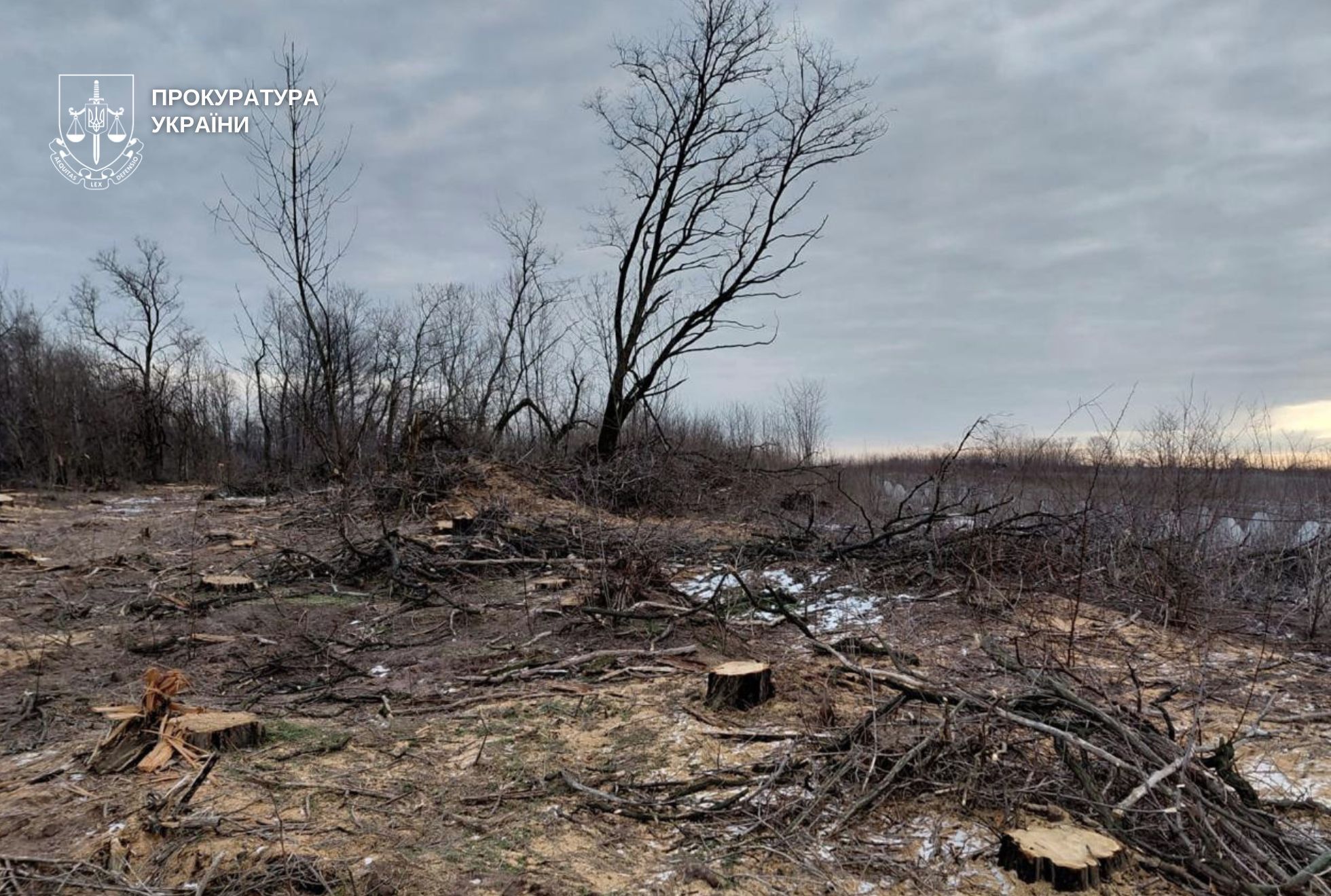
Source: Dnipropetrovsk Regional Prosecutor's Office
We have serious doubts that the violators considered the environmental consequences of their actions for their own communities – dust storms or the blowing away of the fertile soil layer, which could reduce crop yields in their areas.
Who is responsible for monitoring shelterbelts and how to restore them
Ukraine officially has a regulation establishing the procedure for caring for protective forest plantations. This refers to Cabinet of Ministers Resolution No. 650 dated 22.07.2020 "On Approval of the Rules for the Maintenance and Preservation of Protective Shelterbelts Located on Agricultural Land." However, in practice, this is not being enforced.
"In order to maintain protective shelterbelts, it is necessary to conduct an inventory and prepare land management documentation. Only on this basis can forestry planning materials be developed. Maintenance involves sanitary felling, pest control, irrigation, and removal of dead trees. All this is stipulated by the rules, but in practice it is not implemented," Oleksandr Yaremchuk, Deputy Head of the Kropyvnytsky District Department of State Environmental Supervision, Prydniprovskyi District, told 'Suspilne'.
If shelterbelts are not inventoried and the trees are not maintained, fines are imposed under Article 188-5 of the Code of Ukraine on Administrative Offenses. The average amount is only 850 UAH.
In Kirovohrad Region, only one community has started such inventory – Novoprazka. There, 220 ha of shelterbelts have already been transferred to the balance of a specialized municipal enterprise. It has been almost two years since the municipal enterprise was established, but the process is not yet complete. And until the documentation is finalized, the community cannot do anything with the plantations.
The importance of shelterbelts
Protective plantations serve several functions at once. According to the State Environmental Inspectorate, the most important are as follows:
- Preventing wind erosion of soils. Tall trees act as a barrier to the wind, reducing its strength. Where plantations are best preserved, there are fewer dust storms and less loss of fertile soil.
- Retaining moisture. Trees enable snow accumulation in the fields. During the hot season, plants help prevent rapid evaporation of moisture.
- Harmonizing the microclimate. Shelterbelts mitigate dry winds and soften temperature fluctuations.
- Providing habitat for birds and animals. Various fauna inhabit the forest plantations, including pollinating insects and birds that are crucial for the fields.
EcoPolitic previously reported that the loss of shelterbelts is one of the factors in the desertification of southern regions. Their restoration is one of the key measures to combat climate change.