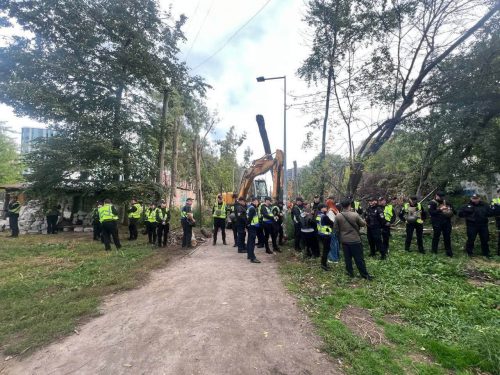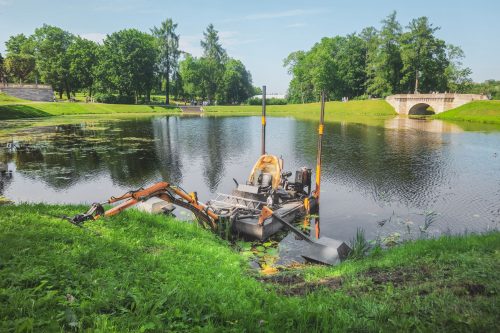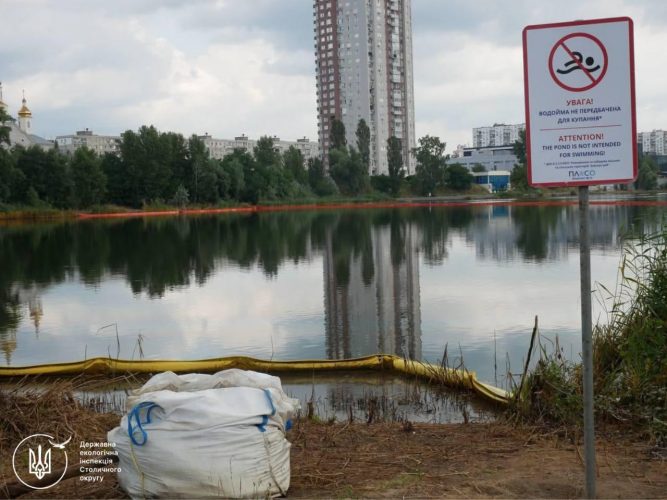
During an inspection of the Kyrylivske Lake and the Syrets stream, environmental inspectors once again recorded leaks of fuel and lubricants. These leaks occurred following the Russian attack between 1 and 2 July. Whilst cleaning the shoreline, it became apparent that pollutants were still entering the water bodies.
This is evidenced by data from the State Environmental Inspectorate of the Kyiv Metropolitan District.
Staff from the State Emergency Service had completed the collection of oil products from the lake’s surface as early as 17 July; however, Kyiv’s municipal workers from the ‘Pleso’ municipal enterprise continued measures to clean up oil pollution along the shoreline and from aquatic vegetation.
During this process, new oil spills were recorded. An inspection carried out jointly with the State Environmental Inspectorate revealed that, whilst the pollution itself is currently minor, the lake’s shoreline continues to be contaminated by new harmful substances.
The heaviest contamination is in the area where absorbent booms have been deployed, covering a total length of 200 metres. These booms span the entire width of Lake Kyrylivske.
Extent of the pollution and next steps
Preliminary estimates suggest the oil slick stretches for 441 metres. The contaminated area of the coastal protection zone exceeds 1,300 m². However, there are also isolated pockets of pollution, covering a further 5,100 m² of territory.
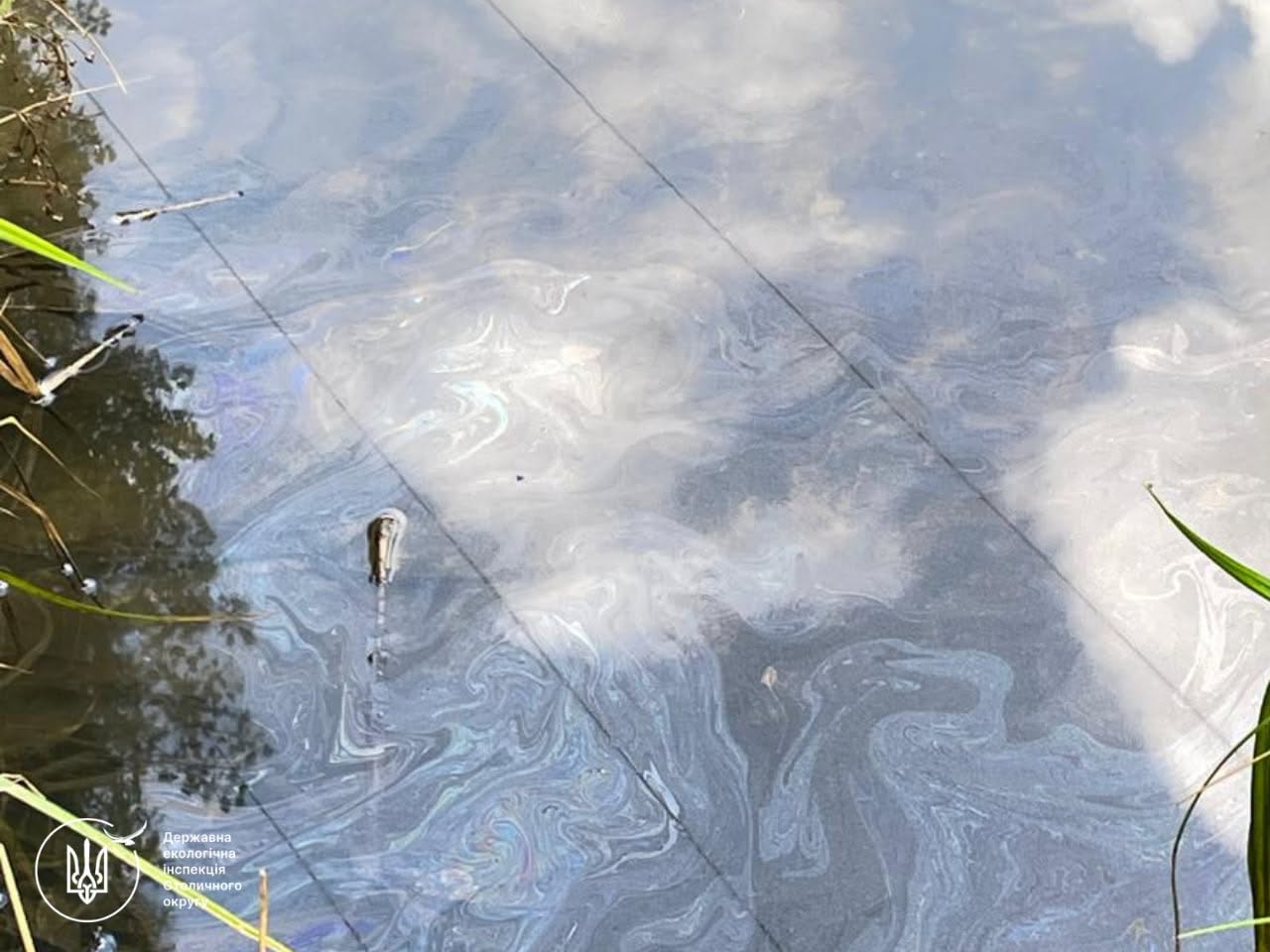
Source: State Environmental Inspectorate of the Capital District / Facebook
Environmental inspectors collected soil samples at a depth of 20 cm, the standard depth for such sampling as set by state regulations.
“Based on the results of the instrumental and laboratory studies, the Inspectorate will calculate the amount of damage caused to the environment as a result of the armed aggression by the Russian Federation,” stated the SEI.
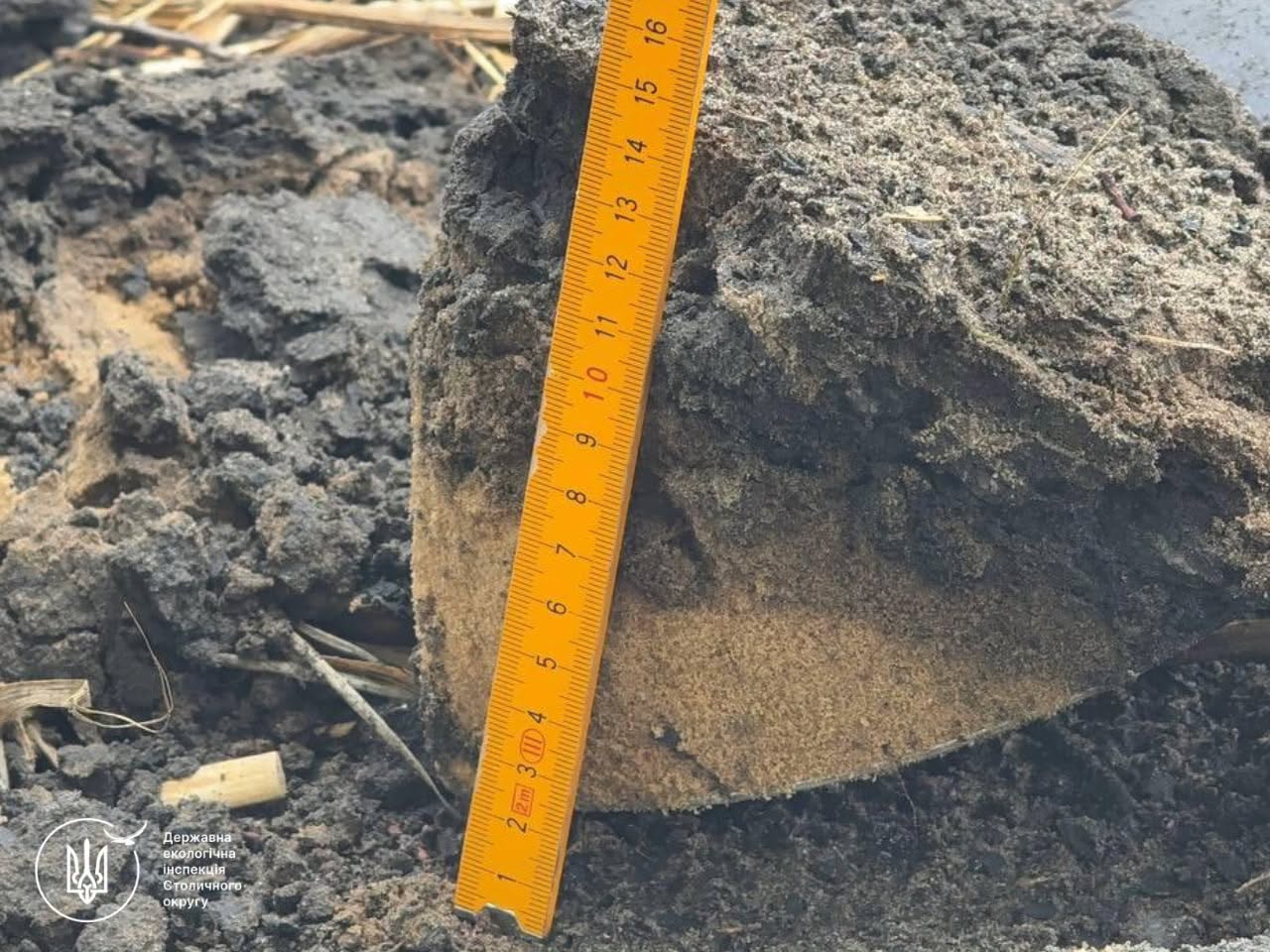
Source: State Environmental Inspectorate of the Capital District / Facebook
Recall that the State Emergency Service collected about 317 m3 of the contaminant from the surface of the lake. The oil slick covered an area of 20,600 m2.
In addition to urgent containment of the lake and its cleaning with skimmers, it was also necessary to rescue the local wildlife. Animal rights activists and local residents participated in these efforts.
The fuel and lubricant leak occurred due to a Russian strike on a gas station.