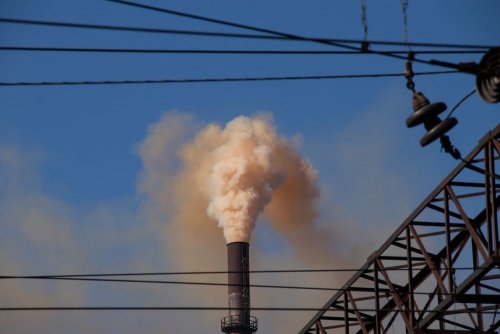
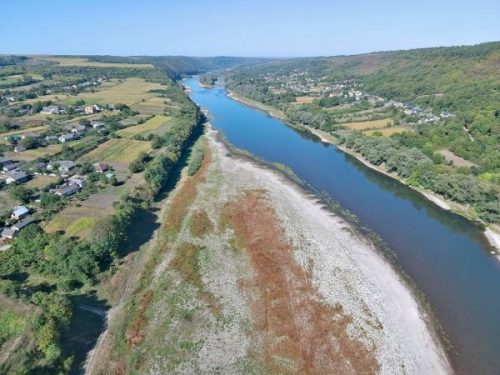
Climate change has long since moved from scientific forecasts and arguments at international events into the real world. This summer, temperatures continue to break records in various parts of the globe, whilst forest fires are reaching unprecedented proportions.
EcoPolitic has compiled a round-up of the world’s ‘scorching’ news stories, as reported by various international media outlets, including Reuters, Euronews and the BBC.
The world is ablaze
Summer wildfires are ravaging thousands of hectares across a number of countries. Experts attribute this scale of destruction to high air temperatures and a lack of rainfall.
The fires continue to ravage southern Europe. Spain and France are suffering the most. On Tuesday, 21 July, the flames engulfed a fire engine, killing two firefighters.
The French authorities emphasise that 90 per cent of forest fires are caused by human negligence. They have urged people to avoid lighting open fires in the south-west of the country.

Source: Reuters
As of July 20, wildfires in the Canadian region of Ontario had already consumed a colossal 735,000 ha of forests. The region has recorded 190 active fires, and about 1,800 residents have already been evacuated.
In most of the province, air quality has deteriorated, and the smoke haze stretches as far as the Midwest of the United States, including New York and Washington. The United States responded ambiguously. On Sunday, Donald Trump stated that he had addressed the Canadian authorities regarding improved wildfire control. It became known that he even threatened to raise tariffs. Recall that during Trump's term, the US has systematically eradicated environmental directions from its policy. For example, they decided to abolish the “Endangerment Finding,” which legally confirmed the scientific fact that greenhouse emissions harm nature and humans, as well as weakened standards for mercury and lead emissions from coal-fired power plants.
“Instead of criticizing and threatening Canada, your closest friends, you need to understand that, perhaps, one day you will need our help,” said Canadian Prime Minister Doug Ford.
Asian heatwave
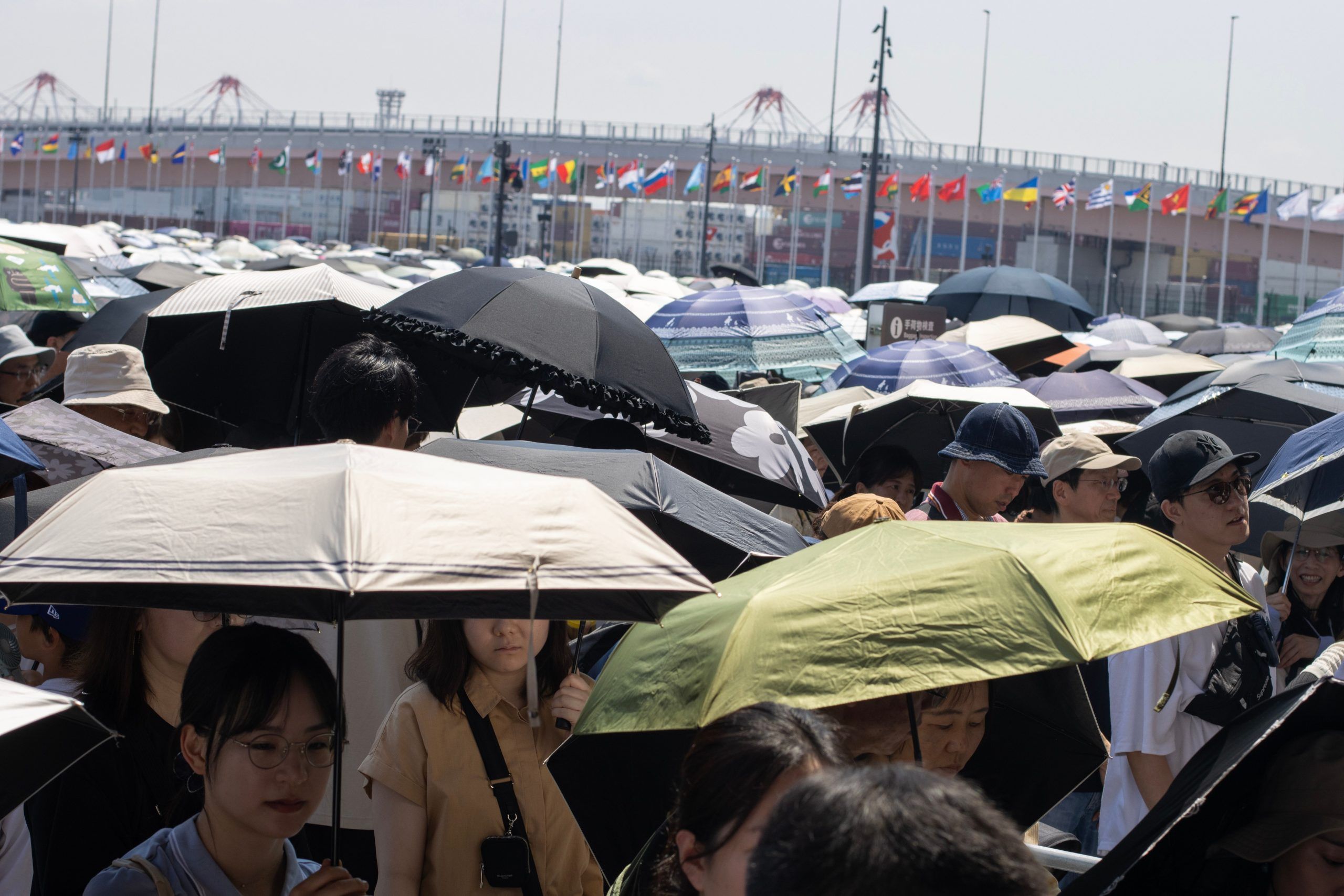
For the first time in Japan’s history, daytime temperatures in some regions exceeded 40°C. Back in April, the authorities introduced a new term, “kokusyobi,” for such extremely hot days. Several cities in central Japan – Tajimi, Gujo, and Toyoda – broke temperature records.
The authorities issued a heatstroke warning in 40 prefectures. Within a single day, about 300 people were hospitalized due to heatstroke. By comparison, last year was record-breaking for heatstroke cases, but over the entire heatwave period, about 1,800 people were hospitalized.
If this is happening in Japan, consider that the world’s second-coldest capital – Astana – is also suffering from record temperatures. For half the summer, the capital of Kazakhstan has already endured two periods of extreme heat. On July 14, a record 39.5°C was recorded there.
Source: shutterstock
Throughout the past week, residents received warnings via the local emergency alert system. The reason was that temperatures remained around 36°C. According to forecasts, the sun will scorch the country until the end of July. In the hottest regions, temperatures are expected to reach up to 45°C.
It is not known exactly how many excess deaths in Kazakhstan are linked to the heat. However, UNICEF forecasts for Central Asia and Europe indicate these figures could triple by 2050. In June alone, more than 10,000 people died in Europe due to the heat.
EcoPolitic previously reported on the impact of extreme temperatures on Europe.
It has also become known how climate change will devastate agricultural areas worldwide. Spanish scientists created an interactive map for this purpose.
If you want to know how to protect your animals from overheating, you can find tips at this link.