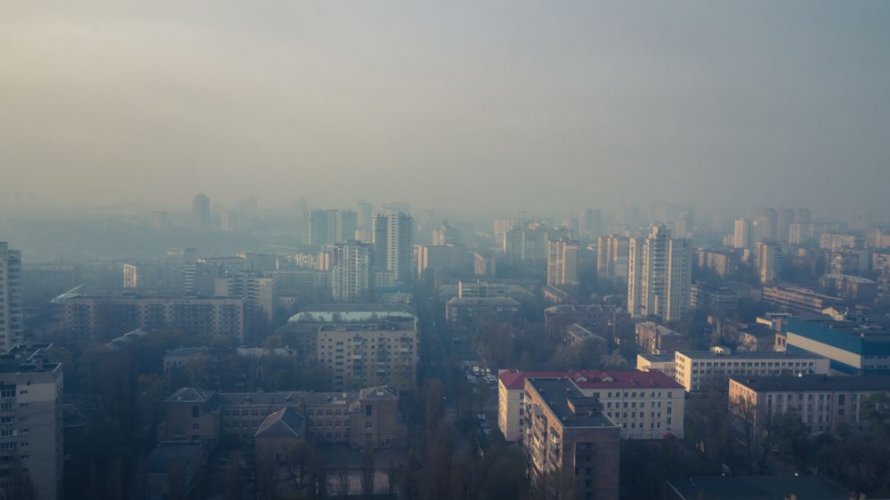
Overall, there are no critical exceedances of pollutant levels in the air across Ukraine. Therefore, as of 11:00 a.m. on June 3, there are no specific recommendations to limit time spent outdoors.
EcoPolitics provides more detailed information on individual cities in Ukraine based on data from the international monitoring platform IQAir.
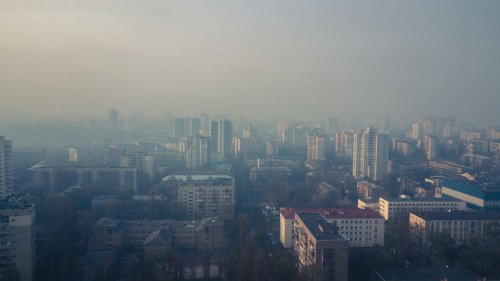
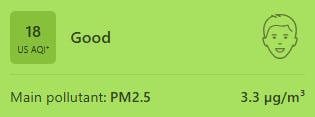
In the Ukrainian capital, air quality is currently good according to the platform’s criteria. The level of PM2.5 particulate matter pollution is only 3.3 μg/m³. We remind you that the upper limit for this indicator, according to World Health Organization standards, is 5.5 μg/m³.
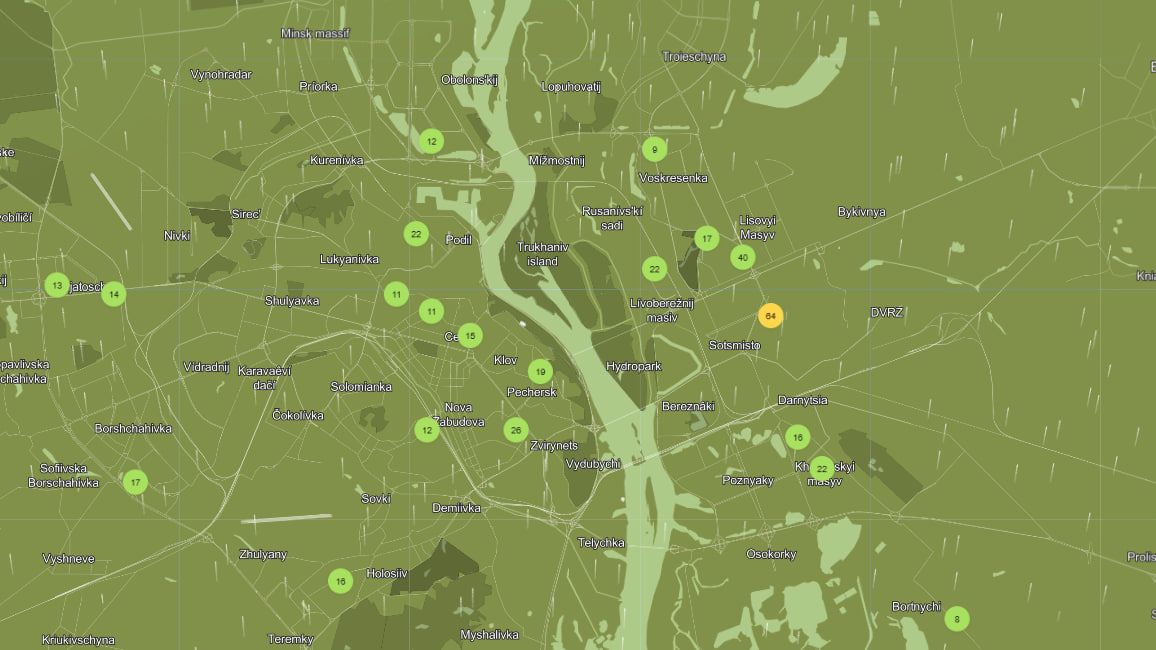
The only location where the equipment is recording an elevated pollution level is on Hotkevych Street. There, the particulate matter concentration is nearly three times the standard, at 16 μg/m³.
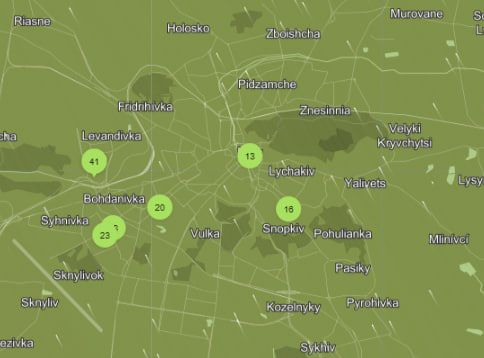
In the rest of Ukraine’s regional centers, where monitoring stations transmit data to an international platform, air quality is also not a cause for concern—at all locations, it is classified as “green.”
For example, in Lviv, the average concentration of fine particulate matter is only 2.8 μg/m³.
PM2.5 pollution levels in some of the other cities are as follows:
- Odesa — 3.2 μg/m³;
- Dnipro — 3 μg/m³;
- Poltava — 4.3 μg/m³;
- Vinnytsia — 2.9 μg/m³;
- Rivne — 6.4 μg/m³;
- Lutsk — 5 μg/m³;
- Zaporizhzhia — 7.6 μg/m³;
- Zhytomyr — 1.6 μg/m³.
EcoPolitics previously reported on a study by Ukrainian scientists regarding the war’s impact on air quality. It is affected by both a general decline in pollution due to the shutdown of industry and local spikes—sometimes tenfold—caused by enemy attacks.