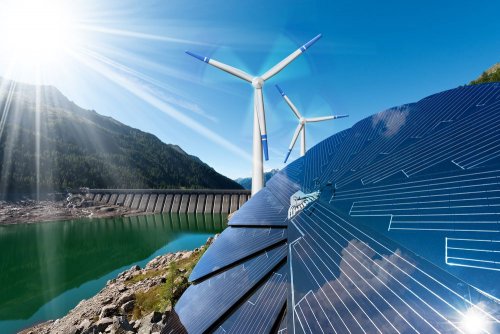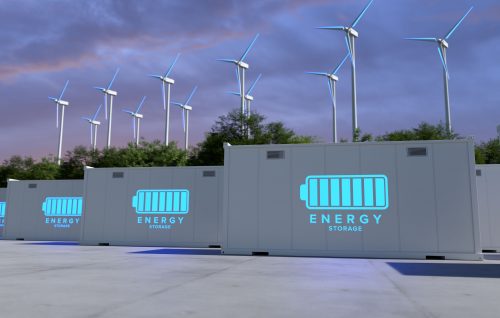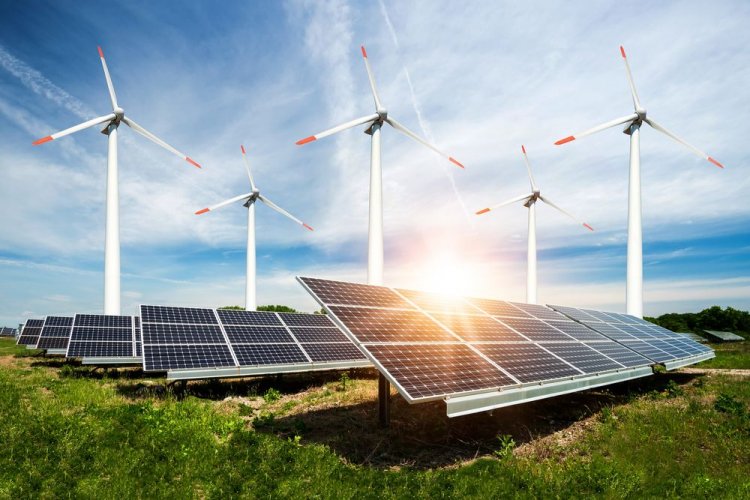
The war in the Middle East has led to instability in global oil and gas markets, exposing the vulnerability of countries dependent on fossil fuels. That is why nations are rapidly turning to an alternative: renewable energy.
According to Reuters, this was stated by Simon Still, Executive Secretary of the UN Framework Convention on Climate Change, at a meeting of government officials at the International Energy Agency in Paris.
Due to the war in the Middle East, some countries have already had to ration fuel. A number of other countries are using emergency economic measures to protect consumers from rising fuel costs—cutting taxes and implementing subsidy programs.
The world’s “green” transition
It is noted that demand for residential solar power systems has surged in the European Union. Sales of electric vehicles are also on the rise worldwide. China has also announced plans to strengthen its energy system, primarily through hydropower and nuclear energy.
“Those who have fought to keep the world dependent on fossil fuels are unwittingly accelerating the global boom in renewable energy. Renewables offer safer, cheaper, and cleaner energy, which cannot be constrained by narrow shipping lanes or global conflicts,” said Simon Stiell.
The Dark side
However, not everything is so optimistic. Some countries, in search of alternatives to gas, are choosing fuels that are even more harmful to the environment. For example, this includes the generation of electricity from coal and fuel oil.
Global priority
For the world, transitioning to renewable energy must become a top-level political priority. This opinion is shared by Turkey's climate minister, Murat Kurum, who will chair this year's United Nations Climate Change Conference COP31.
“The best way to protect citizens from severe shocks in global energy markets is to accelerate the transition to clean energy,” he said in a statement after the IEA event.
EcoPolitic previously reported that, due to the rise in fuel prices in Europe caused by the war in Iran, electric vehicle sales increased one and a half times compared to before.
Due to the energy crisis in the EU, a series of measures were announced to support businesses and citizens. According to Ursula von der Leyen, this includes coordinating fuel reserves, emergency support for consumers, and accelerating electrification with an emphasis on renewables.