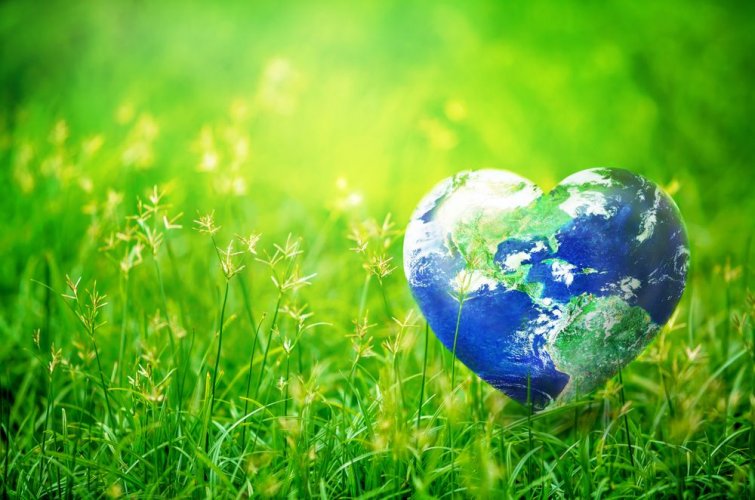
The planet faces numerous challenges—climate change, biodiversity loss, deforestation, and plastic pollution. These challenges require the combined efforts of all humanity to protect the world. Mother Earth Day, celebrated annually on April 22, is intended to draw attention to the planet’s problems and remind us of our collective responsibility for its future.
EcoPolitic explores the philosophy behind this date.
The history of the date
International Mother Earth Day was officially established by a UN resolution adopted in 2009. Since then, April 22 has become a day of global dialogue on sustainable development.
However, the movement leading up to this date began as early as 1972, when the UN Conference on the Human Environment in Stockholm sparked global awareness of the interdependence between humans, other living species, and our planet.
The UN emphasizes the importance of restoring ecosystems. There is a direct link between their well-being and human health. Therefore, caring for forests and water, animals and plants, and combating climate change and pollution has long-term positive consequences for each of us.
Priority attention is given to climate change as a factor posing an unprecedented threat to ecosystems.
“Combating climate change creates jobs, strengthens the economy, and saves lives. But we are moving too slowly. We must end our dependence on fossil fuels, protect and restore nature on a large scale, and ensure climate justice for those who have contributed least to this crisis but suffer the most,” said UN Secretary-General António Guterres.