Work is underway in Ukraine to strengthen penalties for violations of water legislation. There are currently two initiatives—one from the government and one from lawmakers. Both aim to significantly increase the amount of fines and expand the list of actions that will be considered violations.
The provisions of the draft laws were explained in the publication "Judicial and Legal Gazette."
Current situation
Currently, fines for violations of water protection rules seem absurd—ranging from 51 to 136 UAH for citizens. They have no significant impact on offenders and have long since ceased to serve a preventive function.
The amount of fines and liability for violations in general are determined by the Code of Ukraine on Administrative Offenses and the Water Code of Ukraine. The current sanctions in no way correspond to the extent of the environmental damage.
Upcoming changes
Ukrainian authorities seek to increase fine amounts and expand the list of violations in Article 110 of the Water Code. There are currently two competing bills – the government’s No. 15096 dated March 23, 2026, and the parliamentary No. 15906-1 dated April 7, 2026.
If these bills are adopted, the following provisions will come into force:
- The destruction of riverbeds and stream channels will entail administrative liability. This also applies to disruptions of natural runoff during the construction and operation of highways, railways, and utility networks.
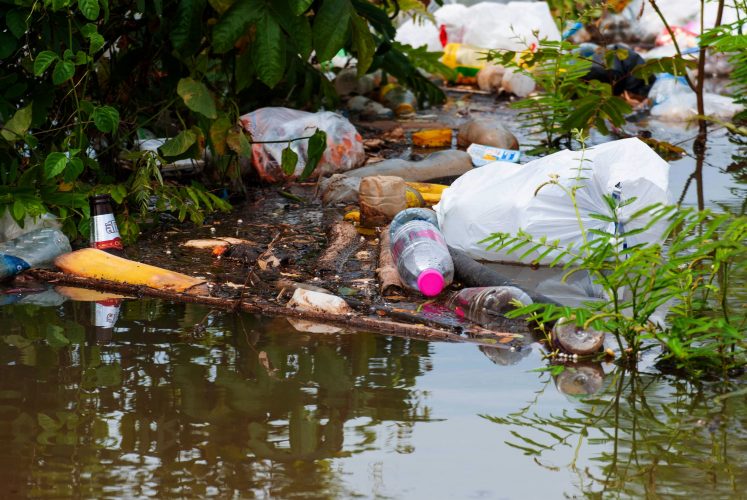
- Fines will increase for littering, pollution, and violations of regimes in catchment areas. According to the parliamentary bill, penalties for officials will rise to 3,400 UAH. The government initiative proposes even higher fines: for individuals – from 1,700 to 3,400 UAH, and for officials – from 3,400 to 5,100 UAH.
- Violations of business activity regimes in water protection zones and on water fund lands will be added to part two of Article 60 of the Code of Ukraine on Administrative Offenses.
- Fencing off water bodies and illegal activities will also be subject to significant fines. For individuals, such violations will "cost" 3,400–6,800 UAH, and for officials – 6,800–11,900 UAH. Repeat violations within a year may cost an official up to 17,000 UAH.
- Penalties are stipulated for violations of the terms of water use permits or submission of false information. Fines for officials will range from 3,400 to 5,100 UAH.
The new sanctions will enable law enforcement to combat illegal construction on water fund lands, and the placement of warehouses or car washes near water bodies. Additionally, if any construction interferes with a water body’s runoff, this will also trigger liability.
EcoPolitic earlier reported on the ways in which the Ministry of Economy plans to save the Danube-adjacent water bodies of Odesa region from desiccation.