Every holiday is accompanied by festive decorations and plenty of food. Easter is no exception. However, low-quality decorations and leftover food end up as ordinary trash after the holiday. How can we prevent this?
EcoPolitic offers a few simple steps to make celebrating this bright spring holiday less harmful to the environment.
Holiday decor
In the days leading up to the holiday, stores are overflowing with all sorts of decorative trinkets—from toy Easter bunnies to the spring equivalent of Christmas wreaths. These cute items can create a festive atmosphere, but they often end up in the trash afterward.
A more eco-conscious solution is to decorate your home with what nature provides—willow branches and dried flowers.
If you really want mass-produced Easter decorations, it’s better to choose high-quality items that you can use year after year.
The main thing is to avoid anything disposable. The production of every single item consumes a lot of resources and pollutes the environment, and then continues to do so in the landfill.
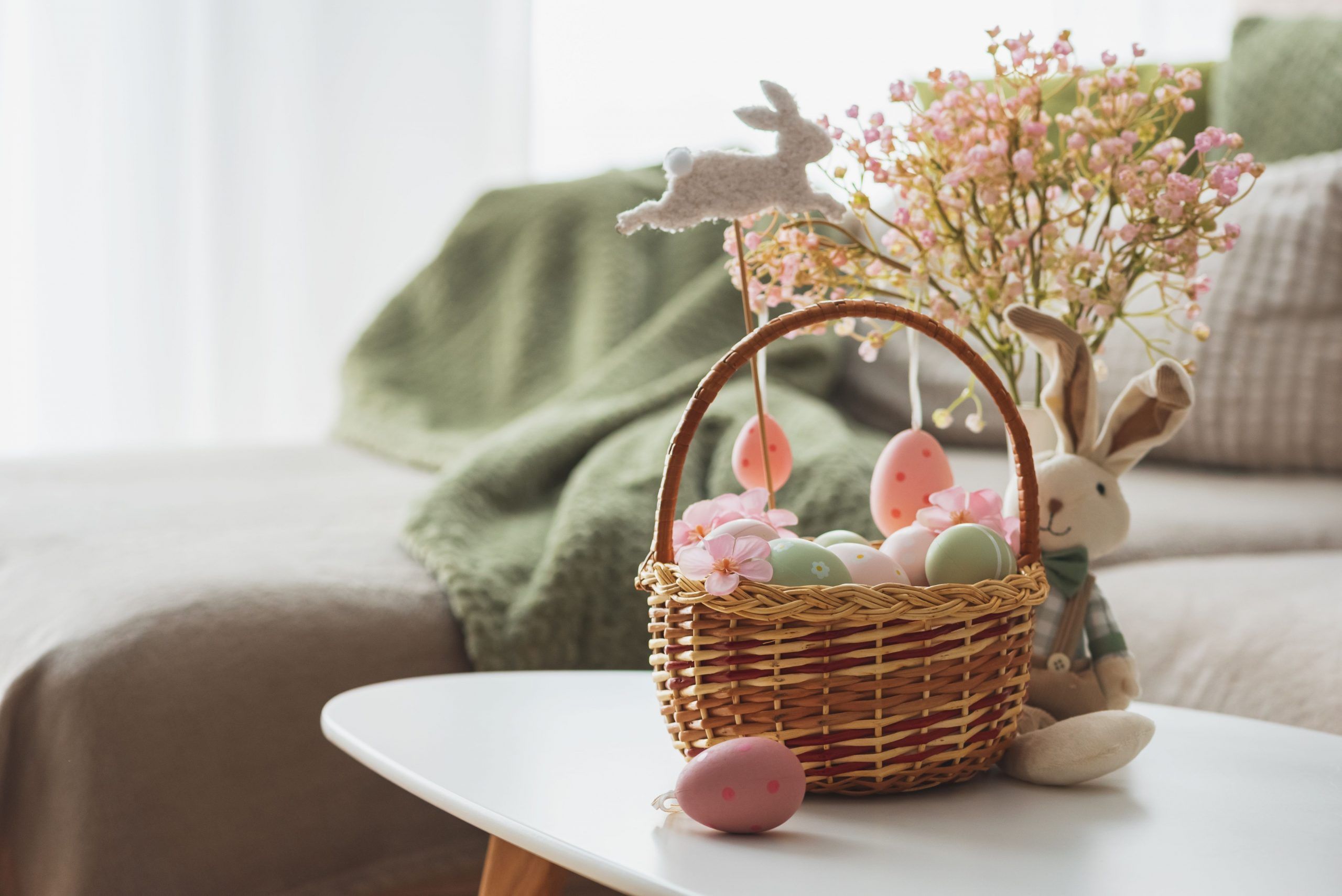
Source: shutterstock
Easter eggs
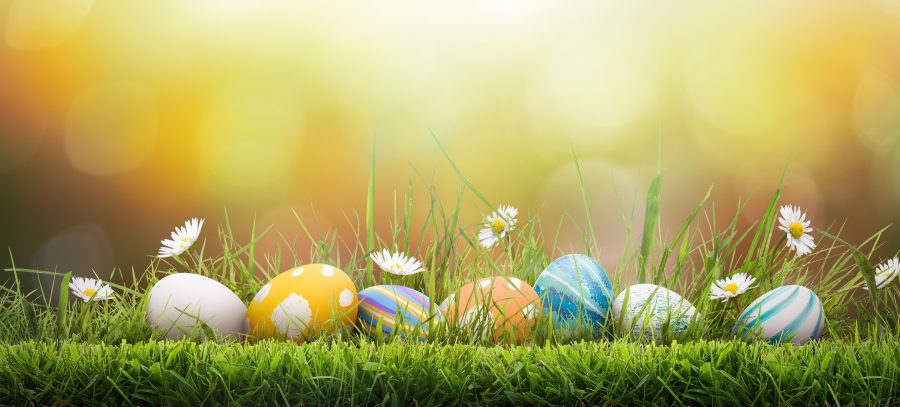
Colorful eggs are an essential part of the festive table. However, making them decorative can be done in different ways – some eco-friendly, others less so.
Using artificial dyes and stickers can be considered harmful. Yes, it is simpler and faster, but after the eggs are eaten, the stickers just become additional trash.
Natural dyes are an alternative – such as onion skins, turmeric, or beet juice. You can add a unique touch to the eggs using artistic techniques, from traditional pysanka painting to decorating with markers.
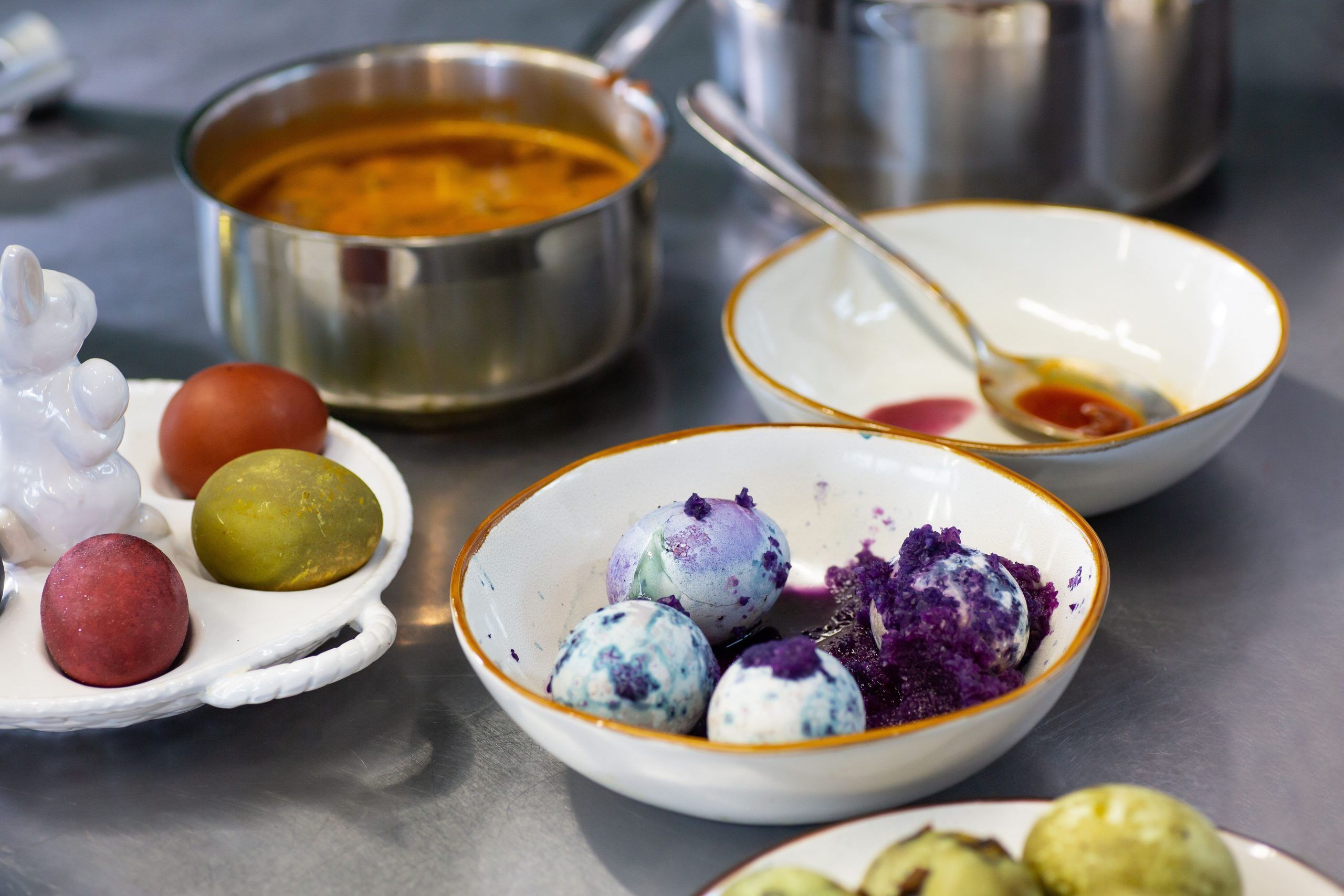
Source: shutterstock
Food excess
In Ukraine, holidays are usually accompanied by lavish feasts, which often leave behind significant food waste. Overall, organic matter accounts for a shocking 38% of global household waste structure.
The most responsible approach for both the environment and your budget is a conscious attitude toward planning the holiday menu – with a set number of dishes and defined volumes. It is better to purchase ingredients according to a list instead of giving in to various temptations and endless holiday promotions.
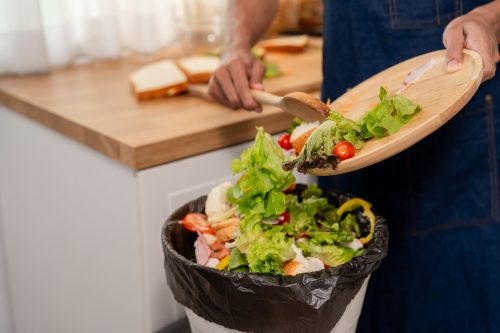
If, nevertheless, guests do not finish their portions and too many dishes remain, it is better not to throw them away. Leftover food, like all other organic waste, can be composted. Moreover, this can be done not only in a private house but also in an apartment. The mass market now offers small composters for this purpose. The resulting biohumus can be used when replanting indoor plants or simply spread under trees in the yard.
Commemorative rituals
Artificial flowers have become an integral part of Ukrainian memorial traditions. The reasoning is simple: to ensure they adorn the graves of loved ones for as long as possible. However, the harm caused by this far outweighs the rather subjective benefits.
Just from a thousand graves with plastic decorations, about 5 tons of waste are generated each year. First, they release toxins in the cemetery, and then at the landfill, where they are transported by the responsible services. Thus, this seemingly simple “aesthetic” leads to long-term contamination of water and soil.
Recycling such items is extremely difficult—they contain both plastic and textiles saturated with chemical compounds.

It is best to honor the deceased with bouquets or arrangements made of fresh or dried flowers. And to keep the grave "decorated" for as long as possible, you can plant perennials—especially evergreens—near it.