After the tragedy at the Hrybovychi landfill in 2016, a decision was made to cease its operation. Reclamation began shortly thereafter and is now nearing completion. Over almost 60 years of use, more than 14 million tons of waste have accumulated on the site, so even closing the landfill does not make it completely safe. Therefore, how it will affect the environment and what care is needed to avoid repeated ecological disasters was outlined in an environmental impact assessment report.
This was reported by the Lviv municipal enterprise "Green City."
The company also announced public hearings as part of the EIA procedure. They will take place on March 24 at 11:00 a.m.
"Your participation is important for forming a transparent and responsible approach to waste management in the Lviv community," the announcement emphasizes.
What stage is the reclamation at?
The reclamation of the solid waste landfill involves two phases.
The first was completed in October 2024. At that time, a technical protective screen was created to prevent the formation of leachate. Hazardous slopes were also stabilized, contaminated areas were cleared, and slopes were levelled and terraced. In addition, a number of systems were constructed to collect and drain surface water, collect and utilize landfill gas to generate electricity, and treat leachate.
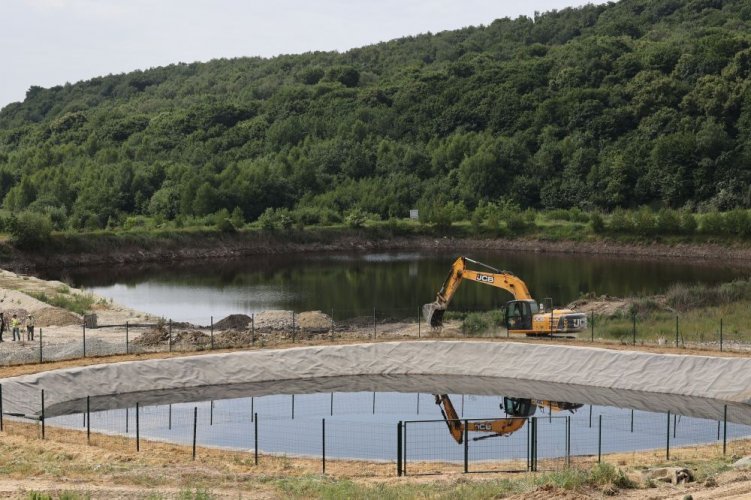
The second phase of reclamation started in the first quarter of 2025. By late December 2025, 87% of the planned work volume had been implemented. In particular, the following tasks were accomplished:
- A drainage layer was formed across the entire landfill area;
- A soil layer was applied and perennial grasses were planted on most of the territory;
- Reservoirs for water treatment and firefighting were constructed;
- The groundwater monitoring system was restored and modernized.
What does the report address?
Even at a closed landfill, a number of processes occur that may pose risks to the environment and people. Therefore, the EIA report examined the impacts of the following processes:
- leachate collection and treatment;
- processing of sludge generated at treatment facilities;
- treatment of process effluents;
- collection and mechanical treatment of stormwater and meltwater runoff;
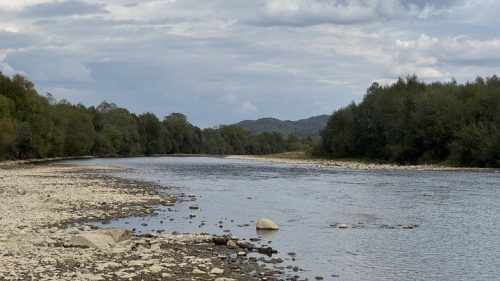
- discharge of mixed treated, storm, melt, and reverse osmosis wastewater into the Malehivka River.
The document proposes several measures to minimize these impacts.
Is a repeat of the tragedy possible?
The report rates the likelihood of emergency situations at the Hrybovychi landfill as extremely low. However, risks still exist in the event of a breach in technological facilities or equipment failure.
“A loss of containment may lead to air pollution, soil or water contamination, fire, or explosion, but thanks to the planned measures for ensuring the reliable operation of production equipment, emergency situations at the facility can be avoided,” the document emphasizes.
Тhus, to avoid disasters, modern automated equipment equipped with locking elements and injury protection is planned for use. Special attention will be paid to fire safety, including staff training, providing fire extinguishing equipment, and ensuring reliable communication between employees responsible for safety.
Environmental monitoring
In the future, the environmental situation at the landfill will be periodically monitored. Air quality will be checked every six months in both the industrial and sanitary protection zones. Additionally, every six months, the quality of groundwater from wells and the composition of soil will be measured. The composition of surface water will be checked quarterly, with samples taken at two points on the Malehivka River – upstream and downstream from the point where the internal ameliorative channel flows into the river.
EcoPolitic previously provided a more detailed account of the reclamation process of the Hrybovychi landfill.