The world is consuming more and more energy, and this increase in demand is increasingly being offset by generation from renewable sources. By 2030, half of all the energy consumed by humanity will be generated from wind, sun, water, and nuclear power.
This is evidenced by data from the International Energy Agency (IEA) report "Electricity 2026."
Humanity needs more and more energy
According to the report, demand for electricity will grow by 3.6% annually until 2030. This is due to increased consumption by industry, electric transport, data centers, and cooling systems.
In 2025, demand grew by 3%, and in 2024, by 4.4%. EcoPolitics previously reported that 2024 was the hottest year in recorded history. It was precisely because of intense heat waves that global energy consumption was extremely high.
In general, the IEA forecasts the following trend: each subsequent year, demand growth will be 50% higher than in the previous year.
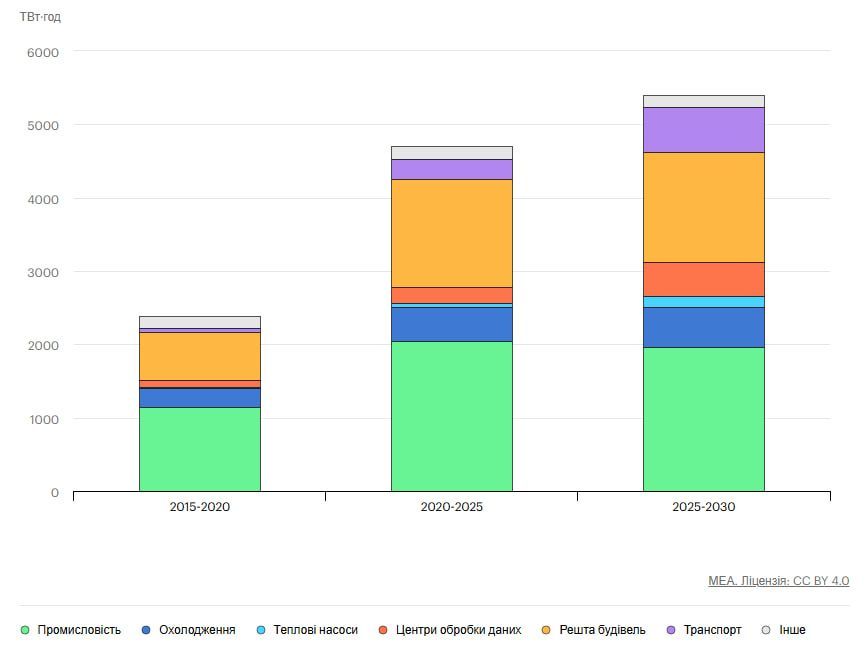
Source: International Energy Agency
The economy is lagging behind
In 2024, energy demand outpaced economic growth for the first time in 30 years. The IEA says that in the long run, the gap between energy consumption and the economy will be a trend.
The growth in demand for electricity is primarily driven by developing countries. India, China, and other countries in Southeast Asia account for 80% of this demand. Over the next five years, China will add as much demand as the entire European Union currently consumes.
The share of RES will grow
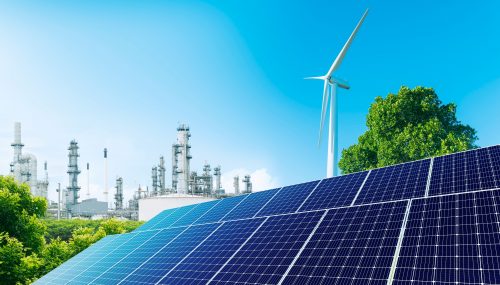
According to the organization's forecast, by 2030, half of all energy will be generated by RES and nuclear energy. Already, clean energy production has exceeded the coal sector.
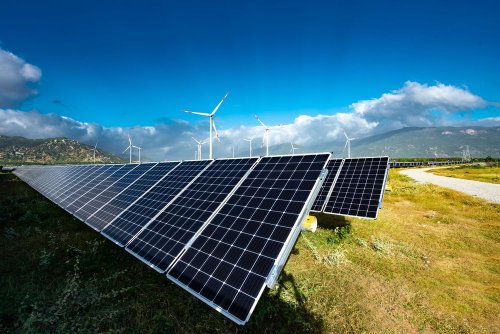
Despite the decline in hydropower in 2025, solar panels have generated record amounts of energy.
Overall, the capacity generated by renewable energy sources will grow by approximately 1,000 TWh per year. Solar energy will account for 60% of this increase.
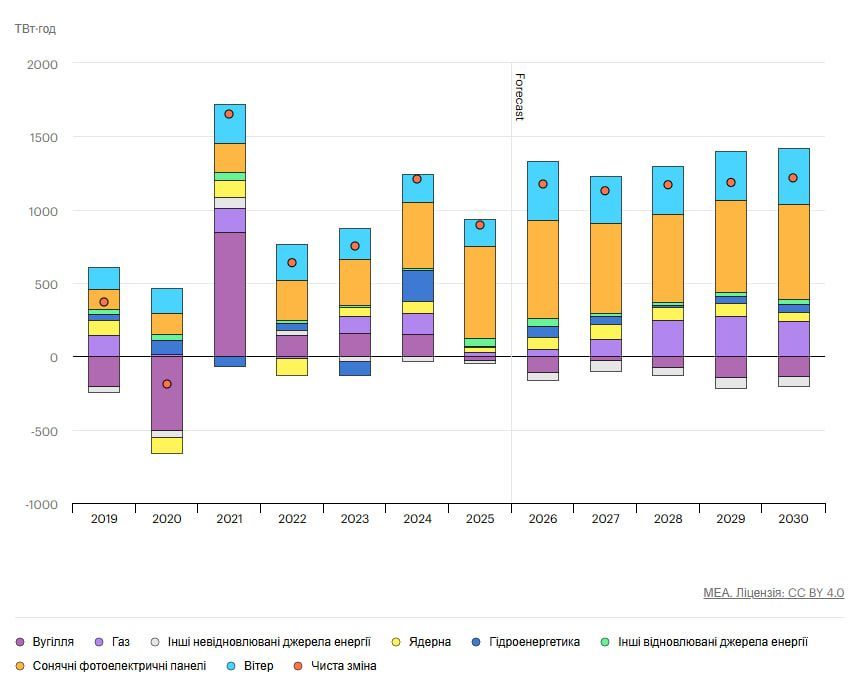
Source: International Energy Agency
The role of energy system flexibility is growing
The age of electricity dictates new rules—grids must expand rapidly and operate flexibly in order to safely and profitably combine energy generation, consumption, and storage.
Solar and wind power are rapidly gaining ground. Their combined share of global production will grow from the current 17% to 27% by 2030. At the same time, demand is exploding, particularly due to electric vehicles, heat pumps, and data centers.
But the grids are not keeping up. There are projects for more than 2,500 GW in the queue for connection around the world, while investment in infrastructure is lagging behind the construction of generation facilities. To meet future demand, investment in the grid needs to increase by about 50%. At the same time, more efficient use of existing grids can relieve congestion and accelerate the energy transition now.
Emissions from energy production remain consistently high
Every year, energy production causes 13.9 billion tons of CO2 emissions. After growing by 1.4% per year in 2022–2024, these emissions stabilized in 2025. Compared to data from ten years ago, the carbon intensity of electricity production has already decreased by 14%. By 2030, this decline will only accelerate, along with the growth of low-carbon energy.
In Ukraine, the green energy sector is developing despite the conditions of full-scale war. EcoPolitics reported that as of mid-2025, renewable energy sources provided the state with 17.3% of its energy.