The environment is under systematic influence due to human activities. Industry, agriculture, transport, war, the greed of officials, and the irresponsibility of ordinary citizens are destroying established ecosystems. EcoPolitic explains in which sectors this impact is most destructive.
Air pollution
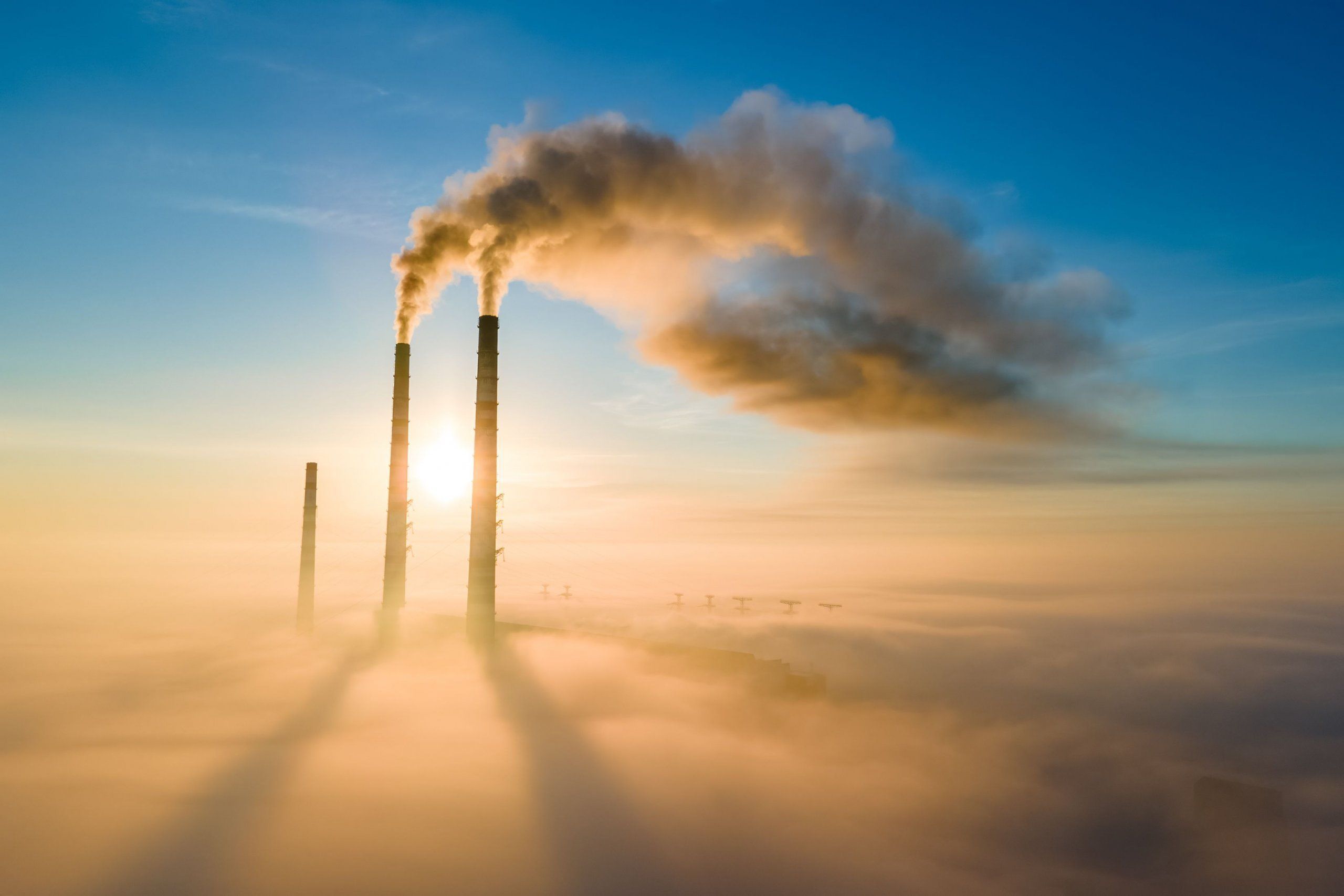
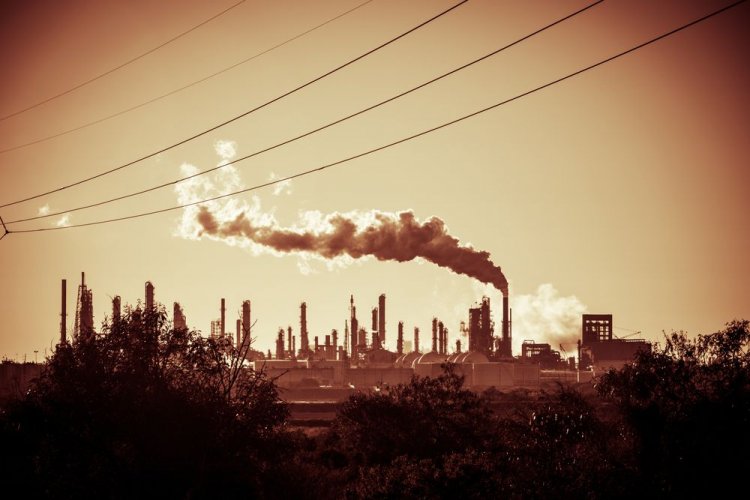
Greenhouse gas and pollutant emissions have held top positions among the world’s environmental issues for years. Ukraine is no exception. The operation of industrial enterprises, vehicle emissions, and explosions from Russian attacks together saturate Ukrainian air with substances that adversely affect human health.
The top spots among cities with the most polluted air are held by cities in central Ukraine – Kamianske, Dnipro, and Kryvyi Rih.
Ukraine officially declares its intention to reduce greenhouse gas emissions by adopting the Nationally Determined Contribution (NDC). The country's goal is to decrease emissions by over 65% from 1990 levels by 2035.
Deforestation
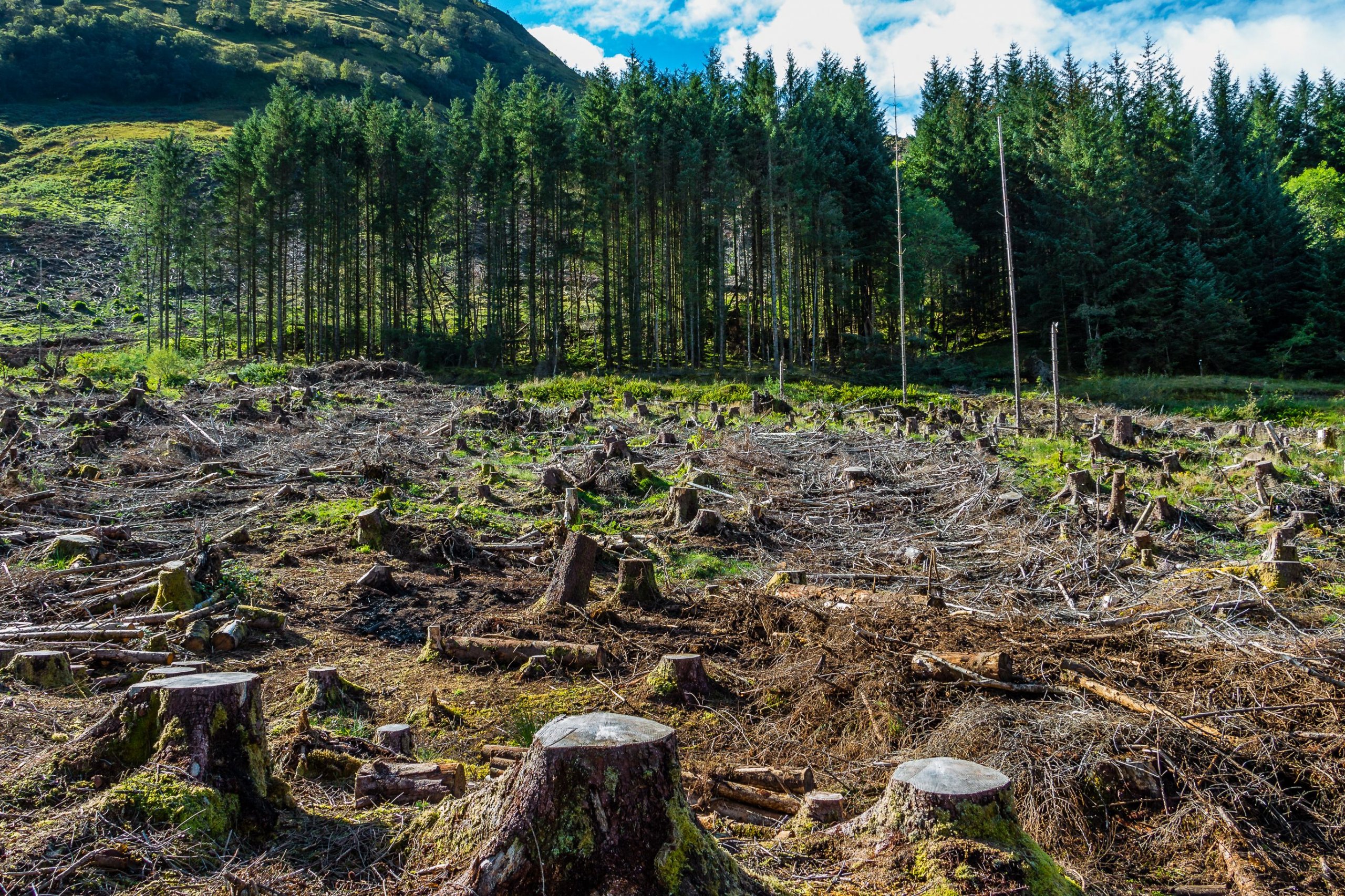
The area of Ukrainian forests is rapidly decreasing. One of the reasons is the full-scale war, which has cost Ukraine 20% of its forest fund. In particular, 3 million ha of forest massifs have been damaged in various degrees, and about 500,000 ha remain contaminated with explosive ordnance.
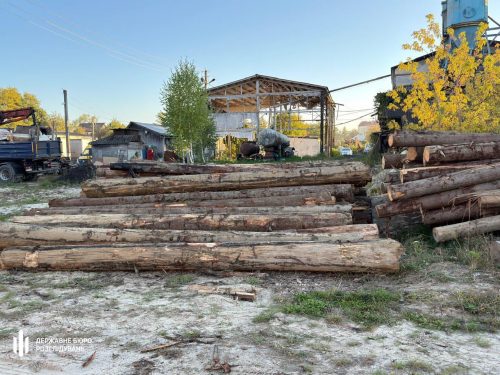
However, Ukrainians themselves also contribute to the mass destruction of trees. Illegal logging is one of the most widespread environmental crimes in Ukraine. EkoPolityka covers new instances weekly in its ecoviolation digest. Although “black loggers” are often to blame, in most cases the organizers or participants in illegal logging schemes are actually forestry officials themselves – from forest masters to heads of entire branches of the State Enterprise "Forests of Ukraine". Overall, due to crimes by forestry officials, in 2025 alone Ukraine sustained losses of 546 million UAH.
Sometimes the logging itself is not the violators’ main goal. In some cases, the principal objective is the land on which forests grow, as these forested lands hinder ambitious plans for building houses, resorts, or infrastructure. For instance, to construct a wind power plant in Zakarpattia, primeval forests were felled, and a road was built on their site to deliver equipment.
Water pollution
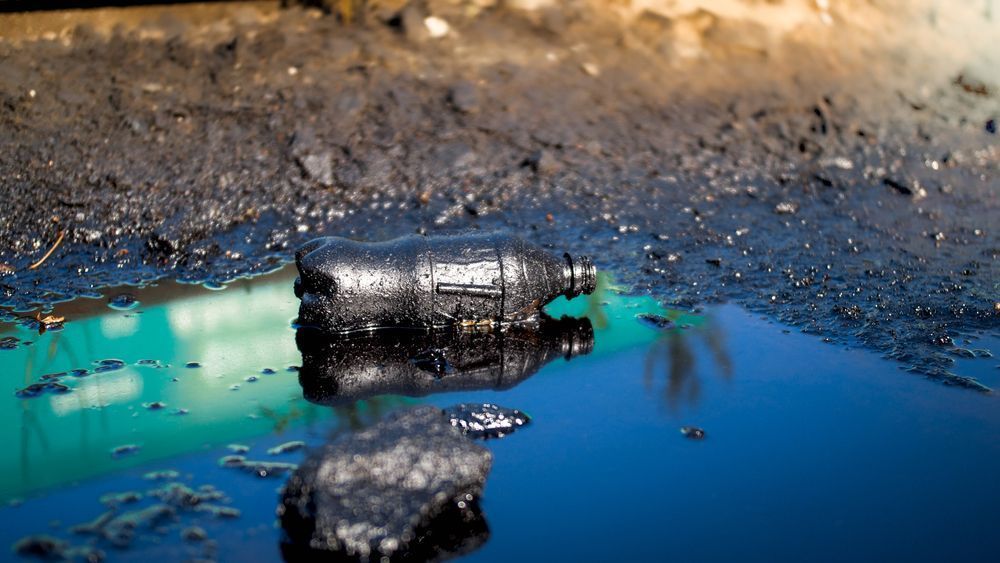
The water in Ukrainian rivers and lakes often contains a whole array of pollutants. Heavy metals and traces of agricultural chemicals enter water bodies due to the overall inadequacy of water management. The dirtiest water in Ukraine is found near large cities and industrial enterprises. The worst situation is in central Ukraine, particularly in Dnipro and Zaporizhzhia.
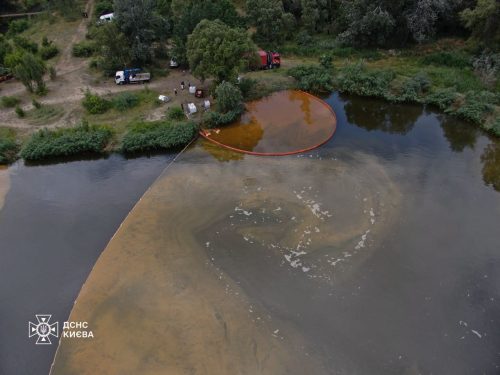
It is also worth highlighting the pollution of the Black Sea caused by the actions of the Russian army. One of the recent examples is the large-scale oil spill resulting from a Russian strike on the port infrastructure in the Odesa region. The damage was further exacerbated by the insufficient response to the problem from local authorities, as eco-activists are convinced.
At the same time, water reserves in Ukraine are shrinking due to climate change, irrational usage, and the depletion of natural resources. In the south, these factors have been compounded by the consequences of the Russian attack on the Kakhovka Hydroelectric Power Plant dam. Overall, the southern regions face the threat of desertification unless the water management system is urgently revised and shelterbelts are restored.
Accumulation of waste
Waste
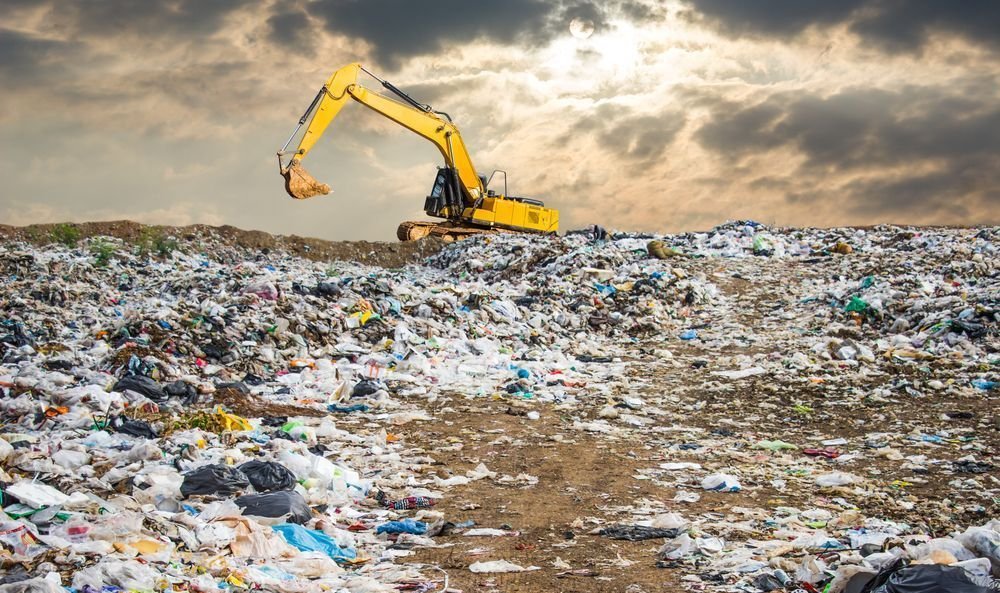
From household garbage to industrial waste, Ukrainian citizens and enterprises are “generating” more and more waste, while the state has not yet learned to manage previous accumulations effectively.
Existing landfills are overloaded. Illegal dumpsites are a persistent issue in reports from the State Environmental Inspectorate. Separate waste collection remains at the level of local initiatives, which local residents still find it difficult to adapt to.
Ukraine still has not implemented the extended producer responsibility (EPR) system. It was only in November 2025 that a pilot project for waste management was launched, based on which a national system may be created.
Meanwhile, the amount of construction waste is increasing in the country due to housing and infrastructure facilities destroyed by Russia. However, Ukraine has still not established an effective system for accounting for this waste taking into account its composition. General data on the reuse of rubble in construction are also unknown.