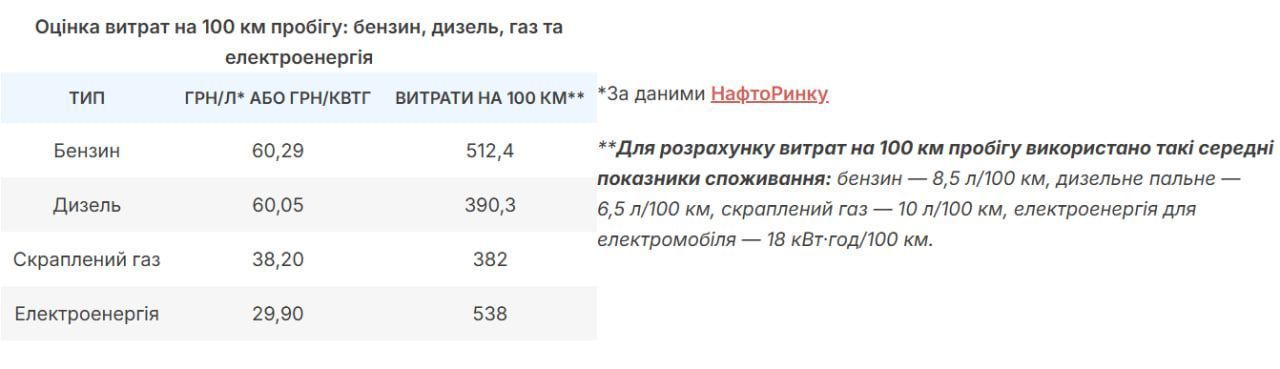
Since the beginning of the year, electric car owners have seen the cost of "refueling" their cars rise. The price of electricity for the population has not changed, but this is far from the only factor that has affected the bills of electric car owners.
ExPro explained what changes in the energy market caused prices to jump.
Domestic charging
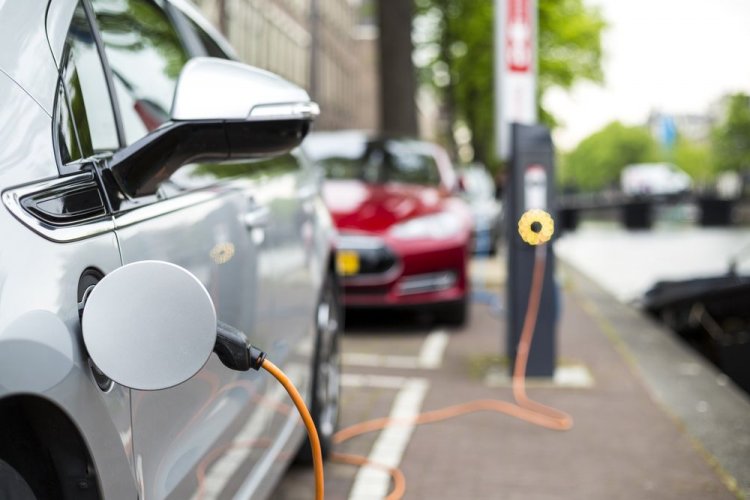
The tariff has remained unchanged at 4.32 UAH/kWh. However, the conditions for charging cars have changed. Electricity is only available according to strict schedules, and even the presence of current in the socket does not guarantee uninterrupted operation. Users often encounter network instability or voltage drops. This prevents the normal "feeding" of electric vehicles and is risky for electrical appliances in general.
Charging at public charging stations
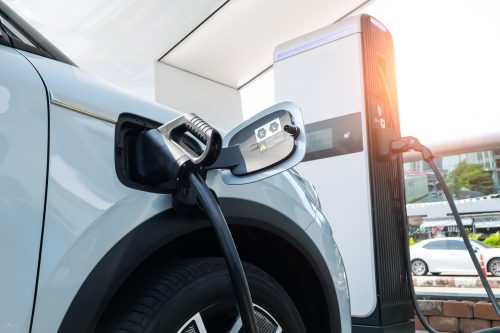
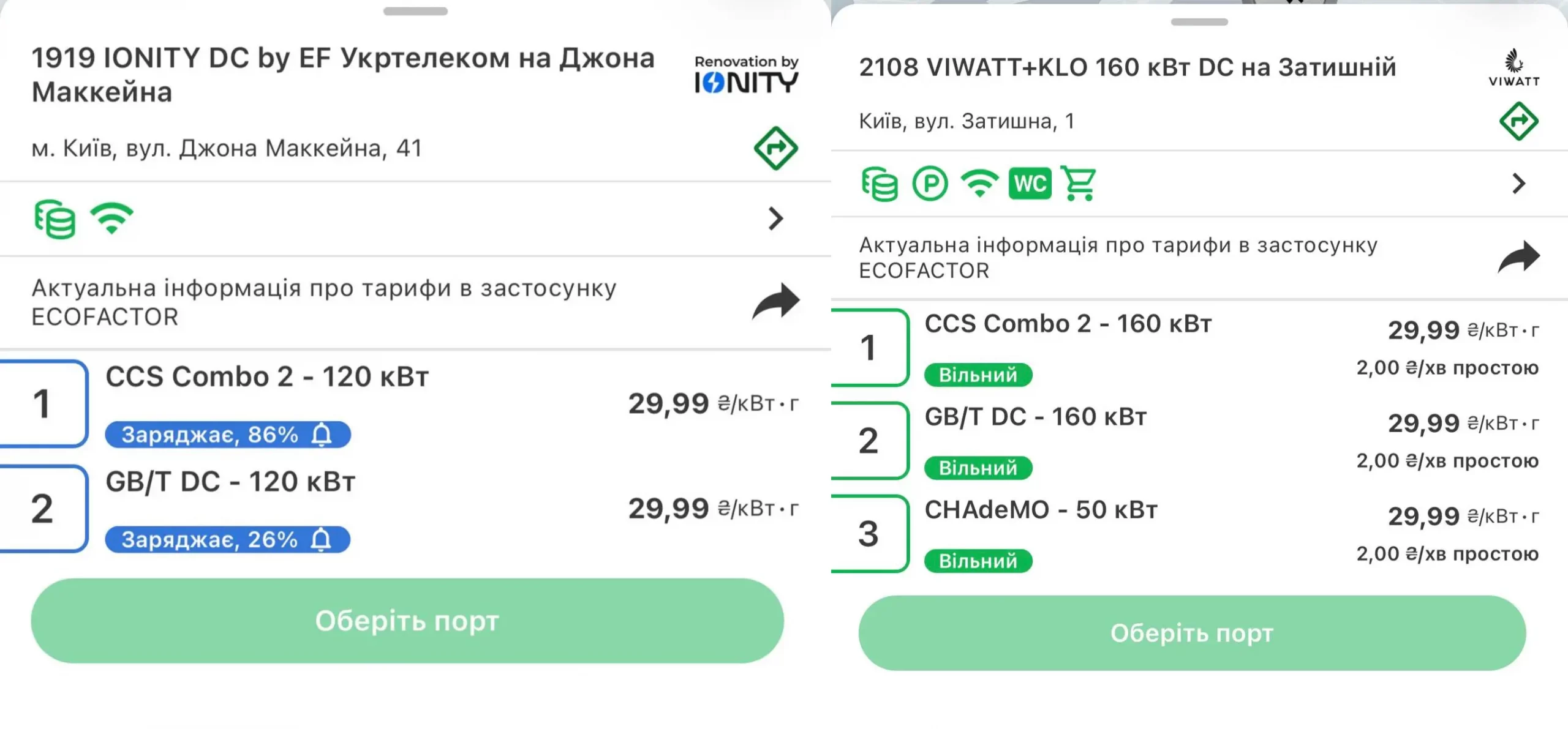
At electric charging stations, you will have to pay an average of 29.99 UAH per 1 kW*h. These tariffs are valid in January in Kyiv and other cities.
Source: expro.com.ua.
The striking difference from household tariffs is due to a different pricing system. Above all, the purchase price of electricity is what influences the cost at EVCS, and it is sensitive to day-ahead market (DAM) prices.
Reasons for higher energy costs for electric vehicles
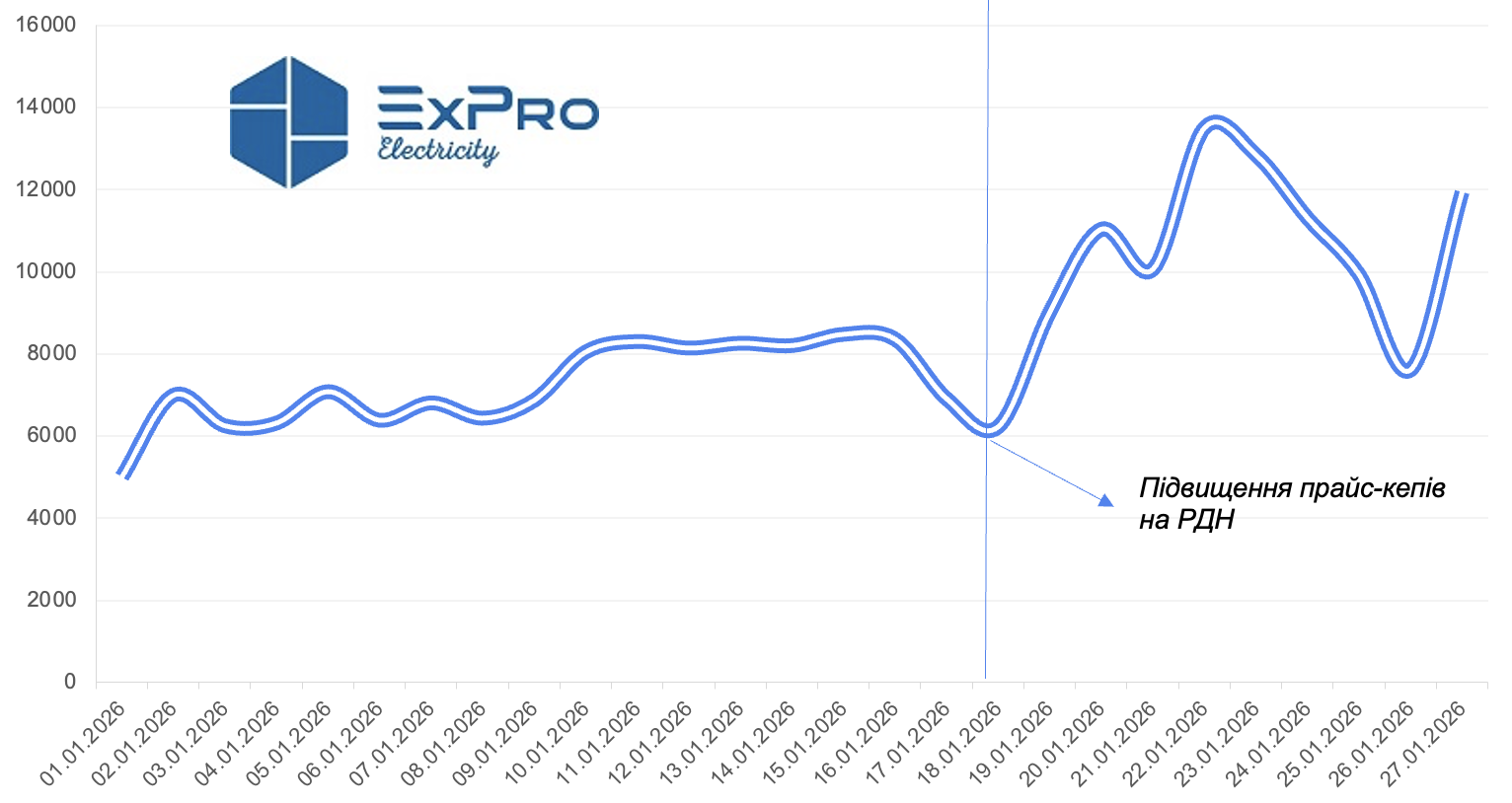
The main factor is the regulator’s decision to “equalize” all price caps on the DAM to the maximum value, which is 15,000 UAH/MWh. Previously, these varied by time of day – 5,600 UAH/MWh from 00:00 to 07:00 and from 11:00 to 17:00, 6,900 UAH/MWh from 07:00 to 11:00 and from 23:00 to 24:00, 15,000 UAH/MWh from 17:00 to 23:00.
During daytime hours, the price increase turned out to be the most significant – by 2.7 times. Overall, during the week after the price caps were set, the average price on the day-ahead market rose by 42%.
Source: expro.com.ua.
The cost of charging electric vehicles was also affected by the electricity distribution tariff. The National Energy and Utilities Regulatory Commission (NEURC) revised it from January 1, 2026. For the capital, the distribution tariff is among the lowest, since it increased by only 5%. However, in other regions such as Lviv, Zhytomyr, and Kherson, it rose by 11–62%.
It is important to understand that there is no centralization in the EVCS market. ExPro cites a comment from ECOFACTOR founder Serhiy Velchev:
“The price is set by the charging station owner based on their own costs, financial risks, and business model. The operator usually receives the actual electricity bill only at the beginning of the following month. That is, the final price for the previous period is known only after the fact. Since the charging station business directly depends on the cost of electricity, the operator either builds a margin into the tariff or takes the risk and then has to adjust the price.”
Source: expro.com.ua.
At the end of last year, imports of new electric vehicles to Ukraine increased by almost 2.5 times. As EcoPolitica reported, experts linked this to the approaching date for the reintroduction of duties on vehicle imports.