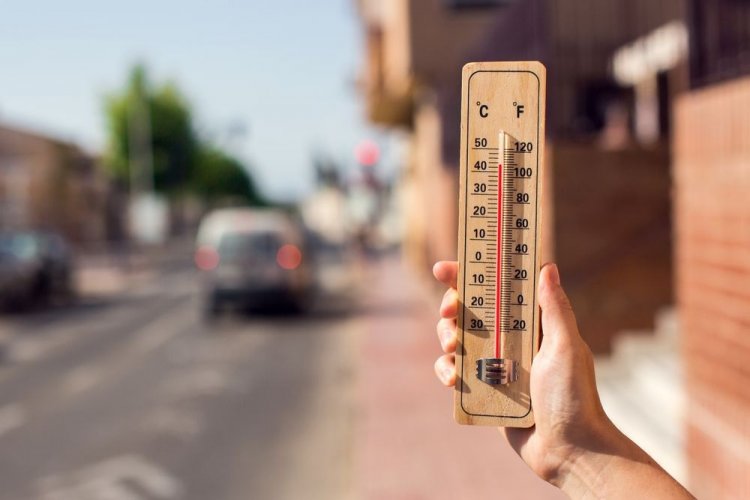
This year, Spain experienced the hottest summer in recorded history. The country's government has announced 80 initiatives to help the country cope with increasingly scorching temperatures.
According to Euronews, these include the rollout of a national network of heat shelters.
Between 2015 and 2023 alone, extreme temperatures led to the deaths of 21,700 people, the vast majority of whom were aged 65 and over. In the summer of 2025, heat-related deaths exceeded the 2024 figure by 88%.
Heat shelters
Next summer, climate shelters are expected to become cool refuges for Spaniards. The need to deploy this network is particularly acute in cities where the "heat island" effect occurs due to dense stone buildings.
“This is because our cities are densely built up, and we have a lot of asphalt that absorbs the sun. As a result, we see that at six or seven in the evening it can still be very hot, even when the sun is gone, because the ground has absorbed its heat,” explained data processing specialist Manuel Banza in an interview with Euronews Green.
Equipping cooling islands
Regional governments have already developed plans for a future cooling network. This has been done in Catalonia, Murcia, and the Basque Country, among others.
In Barcelona, the capital of Catalonia, there are already about 400 such shelters in museums, libraries, shopping centers, and sports centers.
The spaces must be equipped with air conditioning and seating, as well as a supply of drinking water. Climate shelters are intended for everyone, especially the elderly, young children, and those who lack the resources to create a cool microclimate at home.
EcoPolitic previously reported that every minute, heat claims one life.
Meanwhile, 2025 will be among the three hottest years on record.