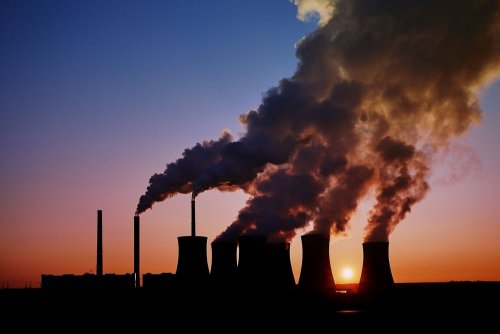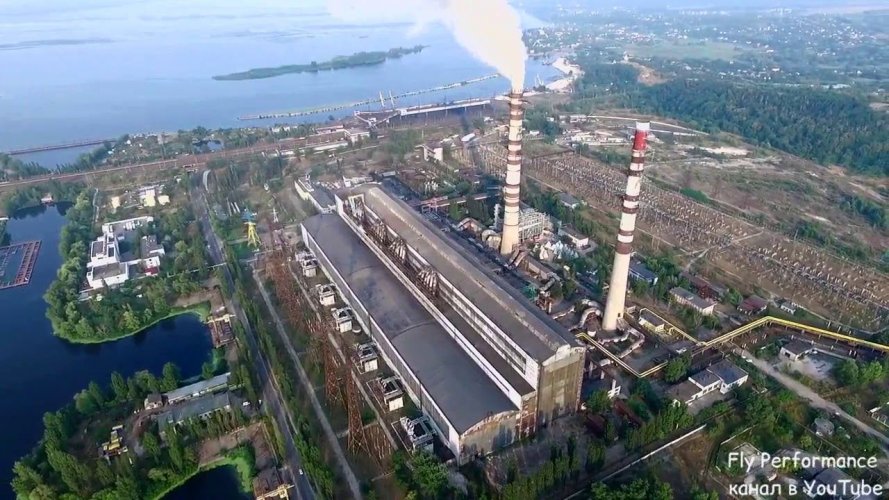
The Ukrainian government has amended the National Emission Reduction Plan (NERP) for large combustion plants and extended their operating period until December 31, 2028.
This was announced by Taras Melnychuk, a government representative in the Verkhovna Rada, on Telegram.
Ukraine had previously committed to gradually reducing industrial emissions and transitioning to European environmental standards as part of the implementation of Directive 2010/75/EU of the European Parliament and of the Council. In this regard, a number of power units at thermal power plants and combined heat and power plants were supposed to cease operations at the end of this year. However, due to the war, they will continue to operate, as constant Russian attacks on the energy sector create the risk of electricity and heat shortages.
What preceded this
Following an appeal by the Ministry of Energy of Ukraine, the Energy Community Council of Ministers adopted a decision allowing Ukraine to continue operating large combustion plants included in the National Plan for the Reduction of Emissions from Large Combustion Plants for the duration of martial law, but no later than December 31, 2028.
“Our main priority now is to utilize all existing generation, as each unit is crucial for sustaining the electricity and heat supply to the population and preventing a humanitarian crisis,” said Deputy Energy Minister Mykola Kolisnyk, who represented our country’s position at this meeting.
A necessary step in wartime
According to the Ministry of Energy, the decision ensures the balance reliability of the power system and uninterrupted production of electricity and heat for critical and social infrastructure facilities, particularly during the 2025-2026 heating season and continuous enemy attacks on energy facilities.
It will allow:
-
operators of large combustion plants to avoid the premature shutdown of specific TPP and CHPP units;
-
a positive impact on the market environment and adequacy of generation capacity;
-
strengthening the country’s energy security.
As EcoPolitic reported earlier, most countries are reducing emissions despite deviating from global development goals.