Fluorescent lamps are more energy efficient, so their use is both more practical and environmentally friendly. However, once they have reached the end of their useful life, they can pose a danger to humans and the environment. The reason for this is the mercury contained in the bulb.
The State Environmental Inspection Agency has provided information on the rules for storing mercury lamps and the dangers they pose.
Hazardous waste
Mercury is an extremely toxic substance classified as a Class I hazard. It is contained in the bulb of amalgam energy-saving lamps. The amount is less than in a thermometer—only 5–7 mg per bulb. However, this is enough to harm nature and people if handled improperly.
The glass bulb of the lamp is quite fragile. As long as it is doing its job in an office or apartment, its integrity is relatively safe. But in the trash, along with other waste, and then during transportation and unloading at the landfill, the probability of it breaking is close to 100%. Then toxic mercury will get everywhere—into the air, soil, and water, causing long-term toxic contamination of territories and living organisms.
How to store used lamps:
- Store only lamps with undamaged bulbs.
- Use packaging. The best option is the manufacturer's original lamp packaging. If unavailable, corrugated cardboard boxes or specialty containers are permitted.
- The storage location must be protected from vibration, moisture, sunlight, and impacts, and be inaccessible to children and animals.
- Enterprises must keep records of used lamps, and containers should be labeled with a hazardous waste mark.
- Mixing with other types of waste-household or industrial-is prohibited.
Transfer for disposal
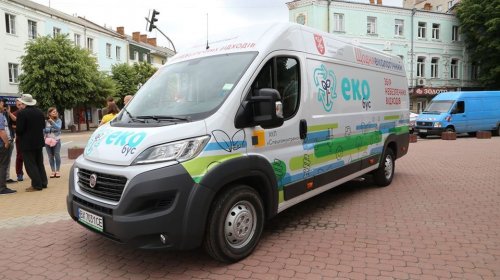
Only licensed companies are allowed to perform this process. Therefore, used mercury lamps must be handed over either directly to them or to hazardous waste collection points.
Liability
- 20–80 non-taxable minimum incomes for violating waste handling requirements under Article 83 of the Code of Ukraine on Administrative Offenses;
- 340–1,360 UAH for violating state standards in the field of public amenities if territory contamination occurs, under Article 152 of the Code of Ukraine on Administrative Offenses.
Previously, EcoPolitic explained why batteries also need to be disposed of separately from household waste.