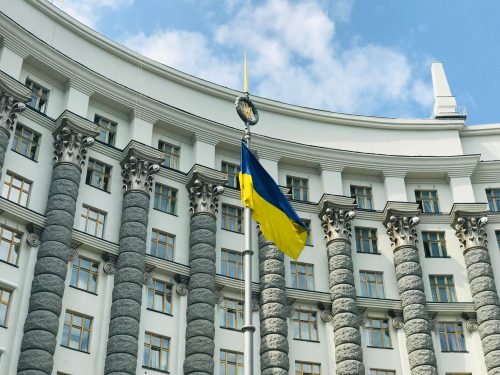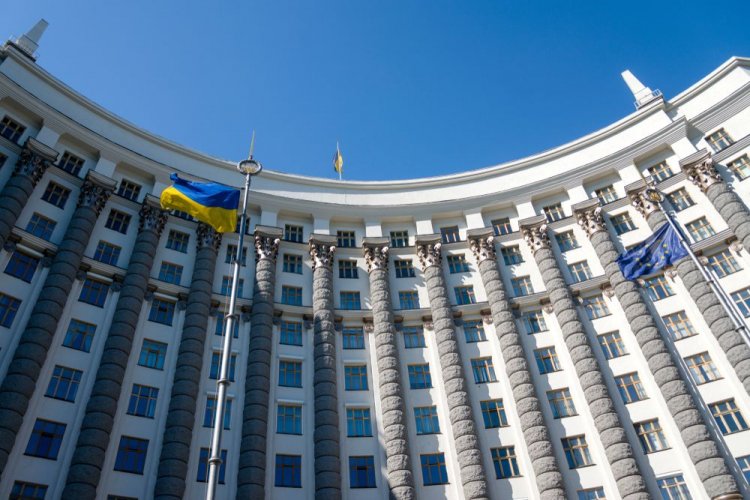
The Cabinet of Ministers of Ukraine has approved amendments to the Procedure for the Use of the State Fund for Decarbonization and Energy Efficient Transformation.
This was reported by Anna Zamazeyeva, Head of the State Agency on Energy Efficiency and Energy Saving.
The draft amendments clarify the types of state support and expand the list of measures that can be financed by the Decarbonization and Energy Efficiency Transformation Fund.
Among the key changes:
1) Benefits for communities
Local self-government bodies will no longer pay a commission fee for loans provided by the Decarbonisation Fund of Ukraine. This relieves communities of an additional financial burden, simplifies decision-making, and accelerates the launch of local initiatives.
2) Energy storage systems
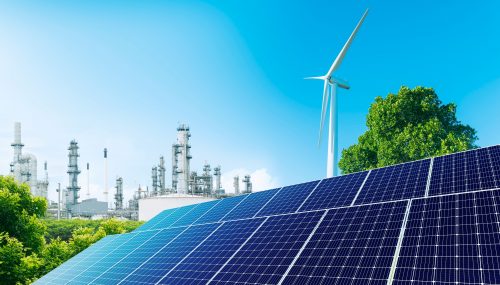
The list of measures eligible for state support now includes the implementation of energy-saving equipment. Combining solar power plants with storage systems makes it possible to smooth out fluctuations in production and consumption.
3) Clarified financing conditions
The loan amount now ranges from UAH 120,000 to UAH 90 million for each of the activities under energy efficiency projects within a single project.
4) Clarified application rules for 2026
This will make it possible to continue the mechanism introduced in 2025 for providing state bodies and state-owned enterprises with support for conducting energy certifications and audits of their facilities, as well as for installing modern hybrid power supply systems in 2026.
5) Hybrid power supply systems for the state
There are now clearly defined conditions for their use, operation, and transfer procedure.
6) Clarified credit discounting mechanism for loans issued by authorised banks
A clear amount of compensation to clients for loan interest is set at 12% per annum, and for projects that use nationally produced equipment – 14% per annum.
"Thanks to the changes, we are not only improving the mechanisms of the Fund's work, but also creating new conditions for implementing energy efficiency measures, reducing energy consumption and increasing the use of renewable sources," Anna Zamazeyeva said.
We remind EcoPolitic readers that the Cabinet of Ministers of Ukraine adopted Resolution No. 1212 of September 25, 2025 as a pilot project on environmental control and environmental protection.
The aim of the initiative is to prevent violations of environmental legislation, ensure the rational use and protection of natural resources, and effectively respond to challenges related to environmental damage.