Air quality deteriorates significantly in the capital after night attack

Air quality deteriorates significantly in the capital after night attack Євген Котенко, Укрінформ
Hanna Velyka

Radiation background in the city remains normal

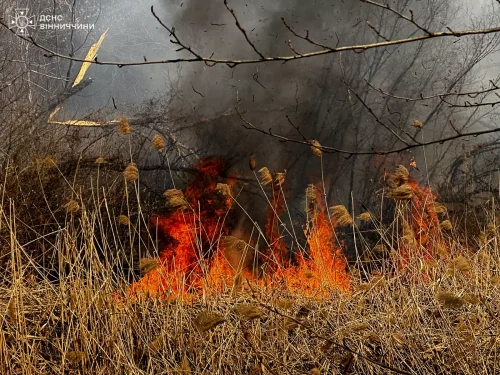
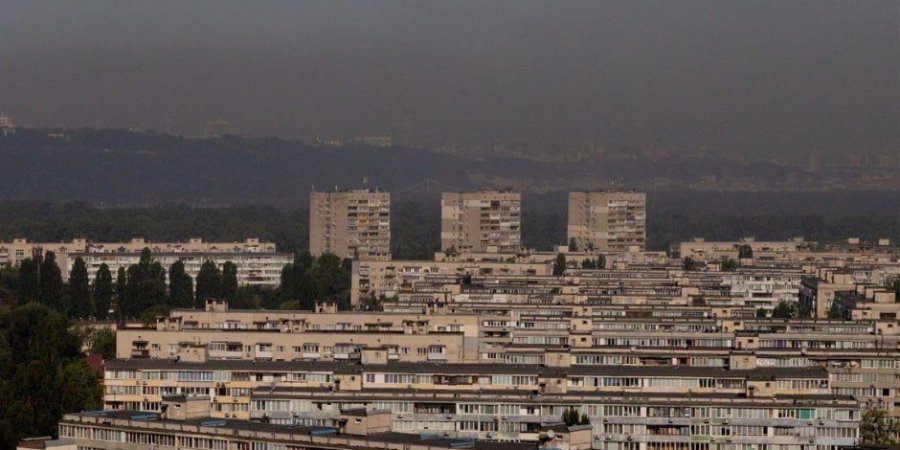
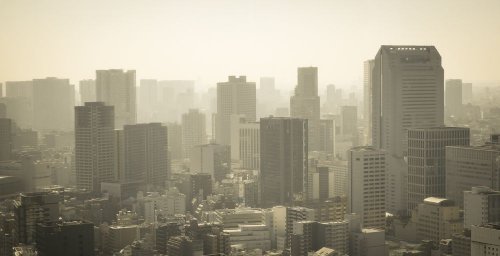
Kyiv is experiencing high levels of air pollution due to fires caused by massive Russian shelling on the night of July 3-4.

This was reported by the Ministry of Environmental Protection and Natural Resources of Ukraine.

According to SaveEcoBot, as of 9:00 a.m., harmful and very harmful levels of pollution are recorded in many locations:
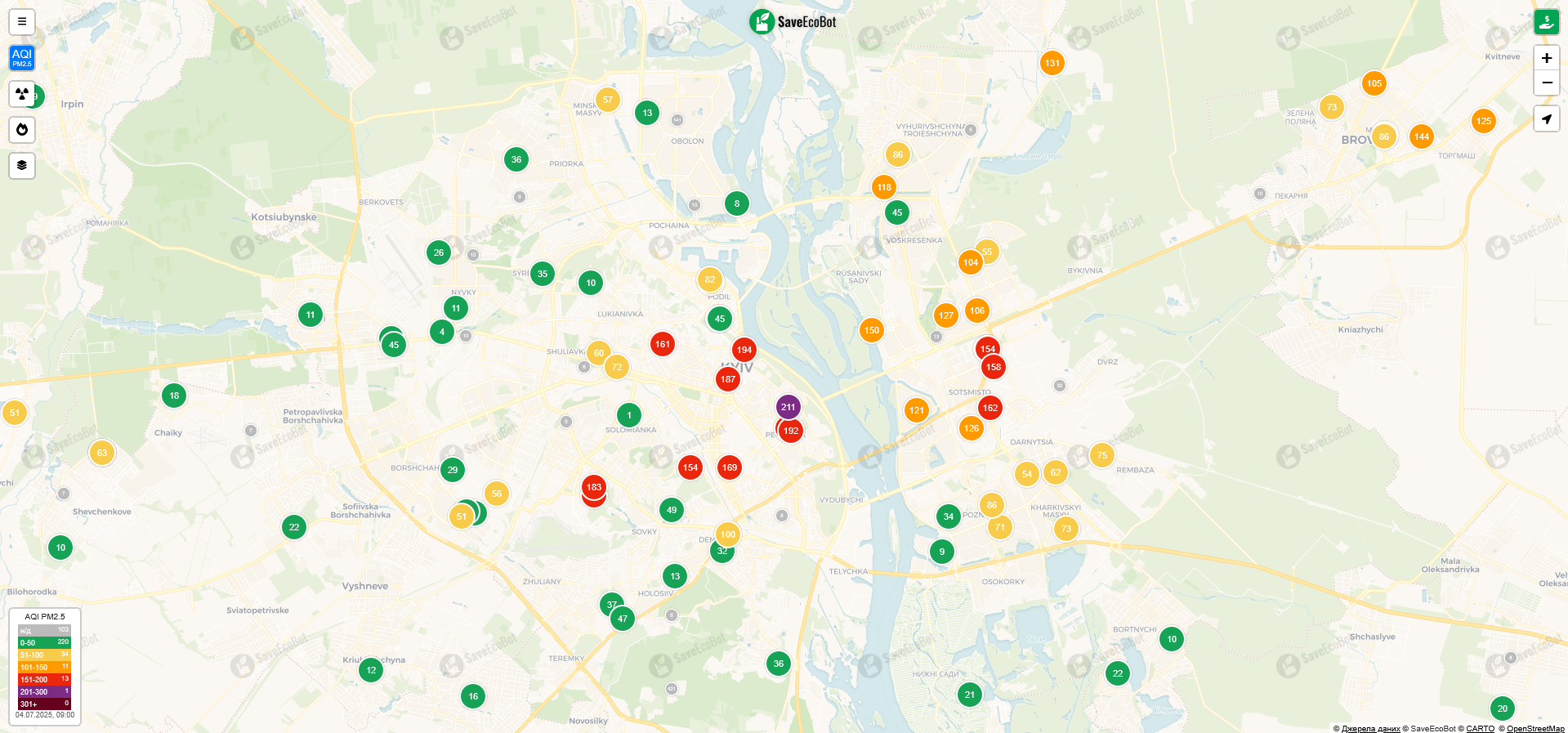
saveecobot.com

Screenshot from saveecobot.com.

At the same time, the map on the EcoThreat platform looks like this:

Screenshot from ecozagroza.gov.ua.

Until the situation is stabilized, the Ministry recommended that, if possible

  • not to stay outdoors;
  • not to ventilate the room;
  • to maintain water balance;
  • if you have an air purifier, turn it on to the maximum.

The Ministry of Environment emphasized that people with respiratory and cardiovascular diseases should pay special attention to these tips.

To recap, the last time the air quality deteriorated was on June 17 after another Russian shelling.
Tags: , ,
Related
Forest fires are undoing progress made in reducing industrial emissions — UN

Extreme weather conditions have a direct impact on air pollution

How polluted is the air in Ukrainian cities on 8 September?

In some parts of the capital, dust levels are almost three times the permitted limit

Fire causes nearly 15 billion hryvnias’ worth of damage: environmentalists detail the damage at the Danube Nature Reserve

The fire destroyed over 1,000 hectares of a unique floodplain ecosystem

Once every five years: due to the war, the pink flamingos in the Odesa region are not breeding

The birds are being scared off by constant explosions and drones flying overhead