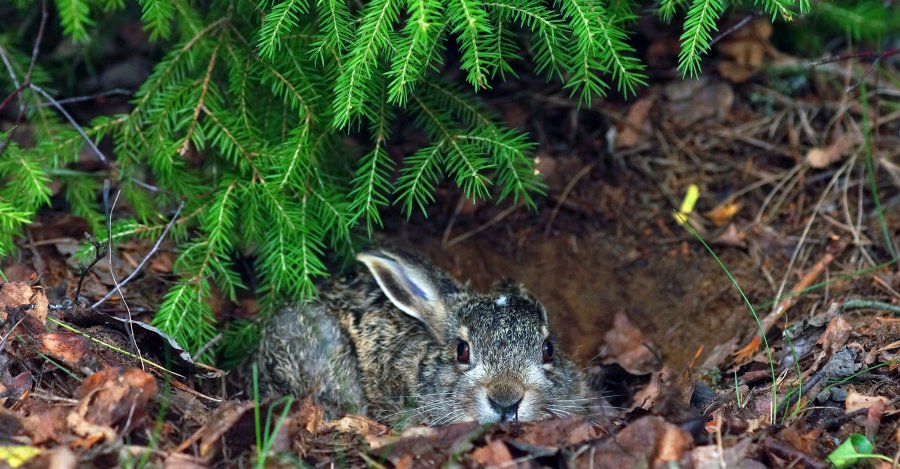
If all the fallen leaves are removed, animals important for the functioning of ecosystems – hedgehogs, frogs, jays, and others – will be left without food.
The Ecoltava NGO explained the role they play in the environmental cycle and why these birds, animals, and amphibians will be left hungry without fallen leaves.
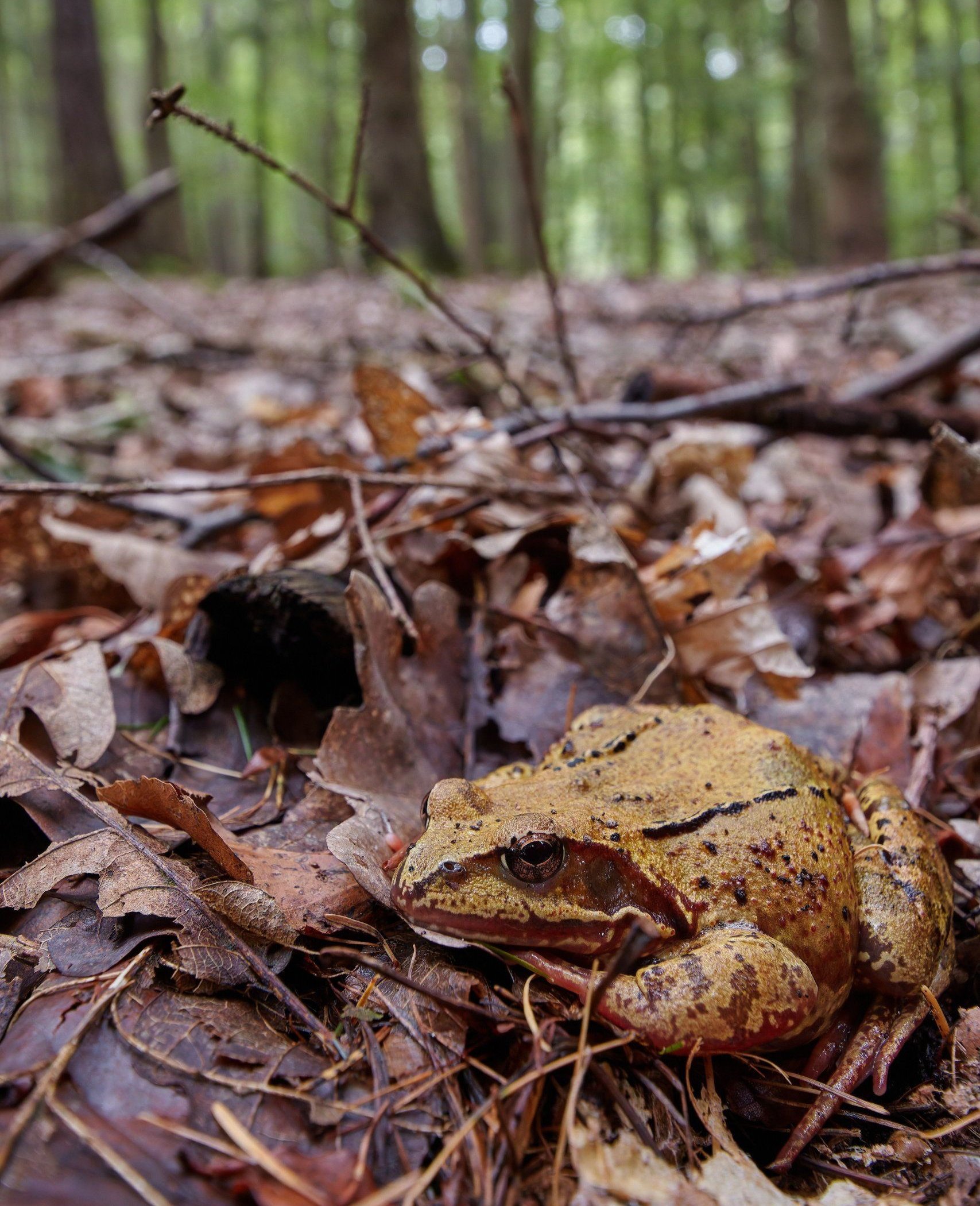
The first and least obvious animal was the grass frog. They said that this amphibian is connected with water bodies only during the breeding season. But the frog hunts, rests and hibernates on land, in particular in leaves, for example, in a park with ponds. Its favorite food is insects (especially flies), snails, slugs, and worms. Activists say that in Europe, the grass frog is even protected.
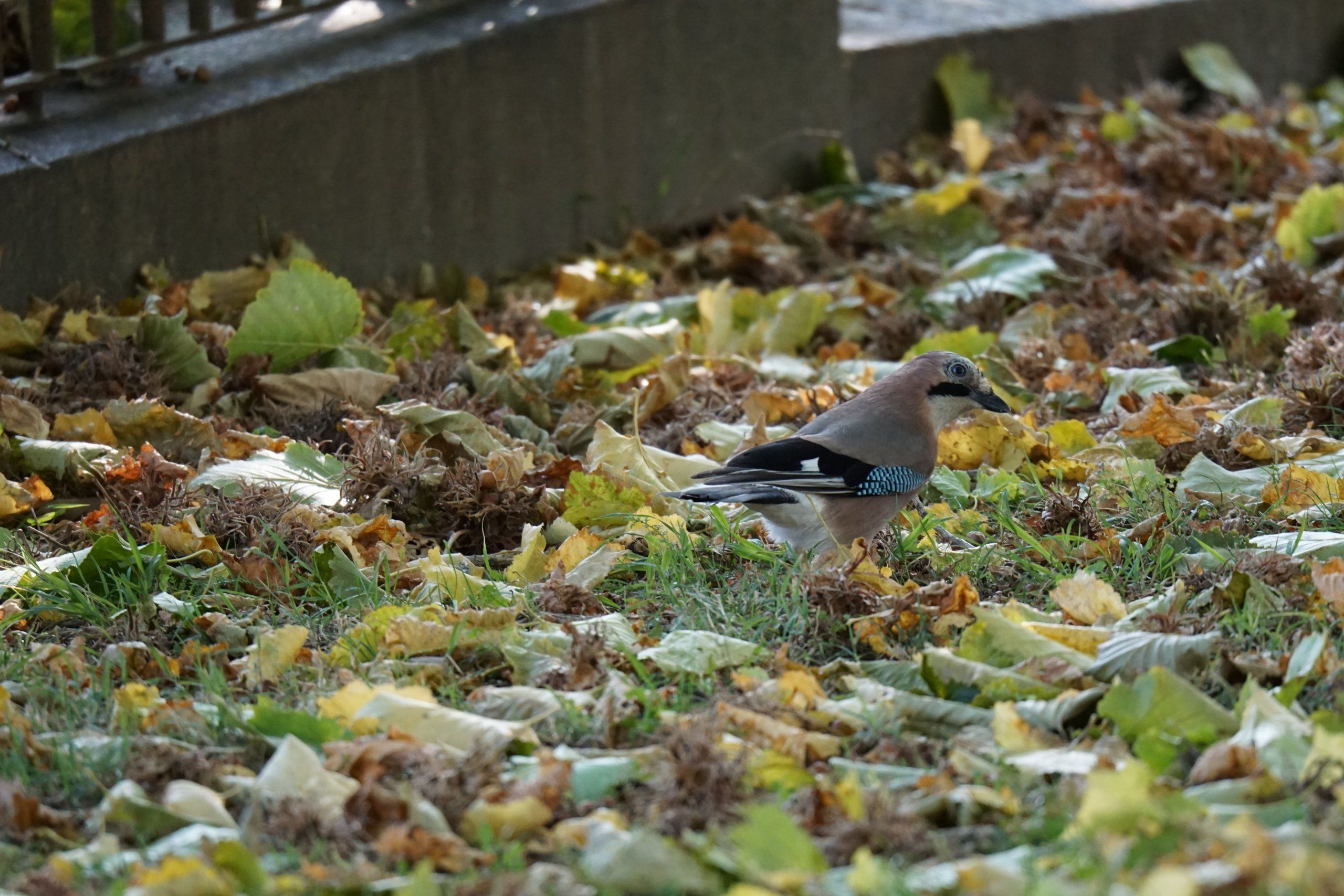
A separate group of animals that actively look for food in fallen leaves are birds. Many of them, including jays, crows and blackbirds, look for worms and insects there. Birds are very dependent on such food in the autumn-winter period, as other sources are limited at this time, explains "Ekoltava".
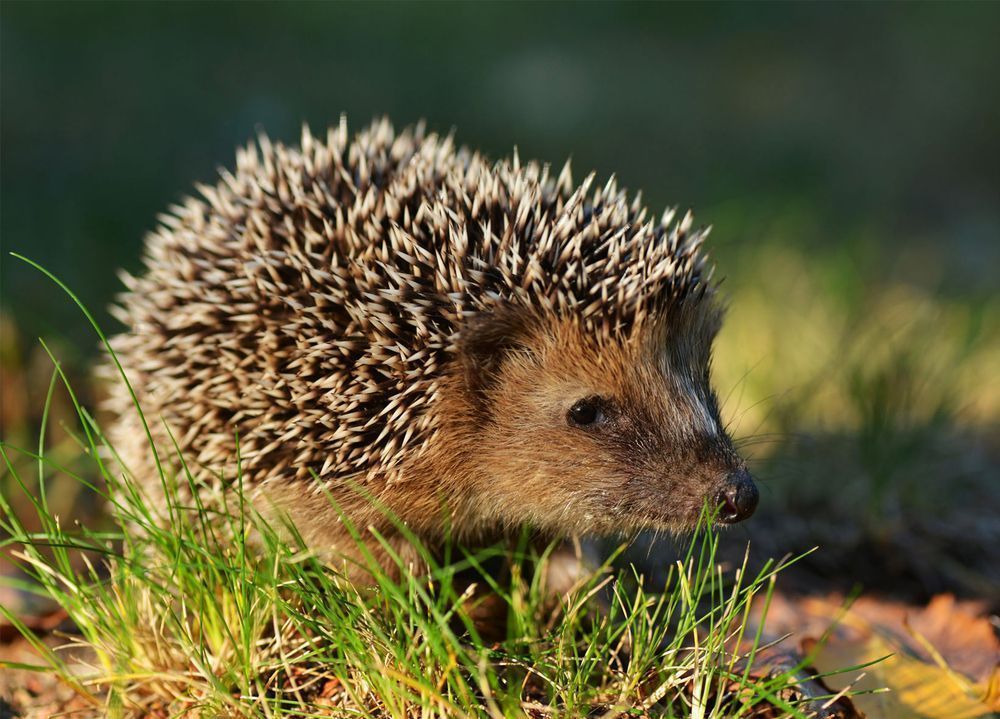
Hedgehogs also feed on beetles, caterpillars and other insects they find in the leaf litter. For these cute prickly creatures, fallen leaves also serve as shelter for the winter.
"Don't remove leaves if you want hedgehogs to live near you," say eco-activists.
Separately, experts singled out another animal that should be paid attention to, because it is a rare relict species. It is called "little shrike" and belongs to the shrew family. The change in the number of these animals is associated with the violation of the hydrological regime of reservoirs, felling of trees and cleaning of coastal areas from vegetation and leaves. In the past, you could meet a small raccoon even in cities, according to the NGO.
"Each of these animals plays an important role in ecosystems, as it helps control insect populations and contributes to the decomposition of organic material and improves soil fertility," the ecoactivists explained.
Earlier, EcoPolitic talked about the benefits of fallen leaves for the soil. We also published expert recommendations on what to do in the fall to keep water bodies clean.