Directive 2010/75/EC on industrial pollution requires the company to prepare a basic report on the state of land and groundwater before starting its work. It is submitted to the authorized body together with the application for obtaining an integrated environmental permit.
The Ministry of Environmental Protection and Natural Resources of Ukraine posted this and other detailed information on the requirements of the 75th Directive on Telegram.
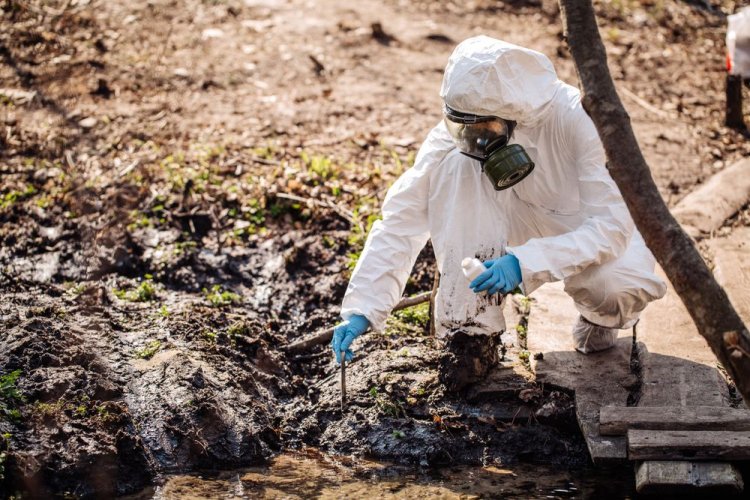
The department said that the basic report makes it possible to compare the extent to which the state of the land and groundwater has changed since the industrial enterprise began operating and after its completion.
The ministry showed how the protection of soils from pollution due to production activities is ensured in practice, using the example of the Czech Republic. This European country has already implemented Directive 2010/75/EU into national legislation.
Requirements for operators of industrial installations, the operation of which may cause soil and groundwater pollution, in Czech legislation are as follows:
- The operator must ensure the preparation of the basic report and submit it together with the application for obtaining an integrated environmental permit. The report is prepared by qualified specialists who have the appropriate state certificate.
- After the completion of operation of the installation, the operator assesses the state of soil and groundwater contamination by hazardous substances. If the comparison with the baseline report indicates significant contamination during the operation of the facility, the operator must finance remediation measures and bring the site to the condition described in the baseline report.
- At the stage of submitting an application, the operator must specify measures to prevent accidents and their possible consequences, eliminate risks of possible environmental pollution and threats to human health.
- The integrated environmental permit specifies emission limits, procedures for preventing discharges into the soil and groundwater, methods of land and groundwater monitoring.
- The authorized body establishes the minimum periodicity of monitoring the state of land at least once every 10 years and the state of groundwater – once every 5 years. In some cases, shorter periods may be established.
The Ministry of the Environment said that there are private companies in the Czech Republic that professionally remediate contaminated sites. Their services are ordered by enterprises that could not avoid polluting land and groundwater in the course of their activities.
At the beginning of October, EcoPolitic informed about 3 major updates in the EU Directive on industrial pollution.