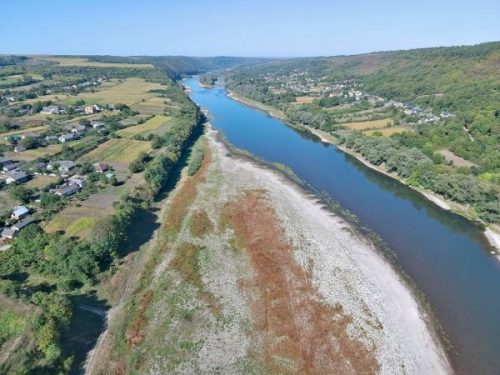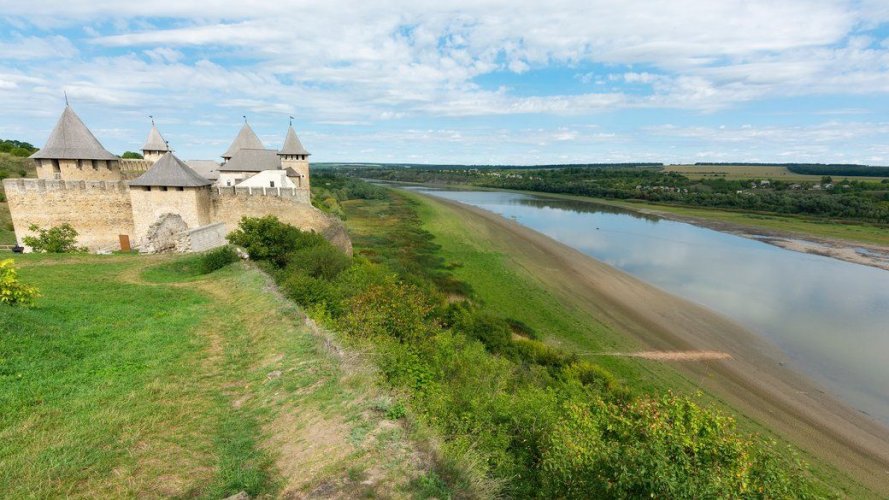
In Chernivtsi and Khmelnytskyi regions, the water level in the Dniester and its tributaries has dropped sharply.
This is evidenced by videos from different villages on the border of Khmelnytsky and Chernivtsi regions, published by their residents.
There are no official comments on this yet. However, a similar situation was observed at the end of summer – beginning of autumn 2022. At that time, a complex hydrological situation developed due to low water spring irrigation, lack of floods, low water levels and water consumption in the summer. For 28 days in July 2022, the inflow to the Dniester reservoir was only 19% of the monthly norm.
Expert Tetyana Negadailova then said that a similar situation existed in 2015, when the low water level was also recorded on the Prut and Siret rivers.
On the website of "Ukrhydroenergo" EcoPolitics found news dated May 24 about the meeting of the Headquarters for the construction of the Dniester HPP and the restoration of the infrastructure and facilities of the HPP after the attacks by Russia.
The head of the Chernivtsi fish protection patrol explained the reasons for this year's phenomenon as follows:
"Electricity is produced for the consumption of the population, there is no inflow of large water. For the Dniester reservoir, it directly depends on the melting of snow and rains that fall in the Carpathians. This year, in April, there was a sharp warming, it is also connected with the storms in the Sahara, which even to us arrived".
The Khotynskyi National Nature Park commented on the situation as follows:
"This situation has developed due to abnormally dry weather and, apparently, due to a deficit in the energy system of Ukraine, caused by Russian strikes on energy infrastructure facilities (in order to compensate for the loss of capacity at the Dniester HPP, electricity production has been increased).
We hope that the forecasters' forecast will come true and the long-awaited rains will come in the coming days."
In one of the videos posted on the Internet by residents of the surrounding villages, the author comments on what he saw. The man believes that water was dumped from the Dniester to increase electricity production.
The network offers to take advantage of the situation and clean the bottom of the river from garbage, and they also worry that the flora and fauna of the reservoirs will be destroyed due to shallowing.
In July 2022, EcoPolitic told how drought is "killing" Europe's rivers, including Ukrainian ones. A little later, in September, we reported that due to climate change and military aggression of the Russian Federation water security in Ukraine was under threat.