Environmental damage caused by shelling of the port in Odesa region amounts to almost UAH 309 million

Environmental damage caused by shelling of the port in Odesa region amounts to almost UAH 309 million

Elizaveta Volkotrub

As a result of the explosion, more than 36,000 tons of carbon dioxide entered the atmosphere

State environmental inspectors have calculated the damage to the air caused by the Russian shelling in April 2024. The total amount of damage is almost UAH 309 million.

This was reported by the State Environmental Inspectorate of the Southwestern District on Telegram.

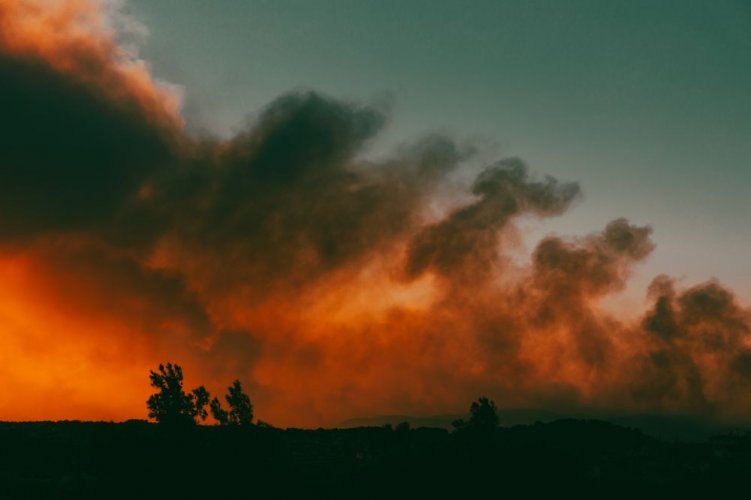
As you know, on April 19, Odesa region was attacked by Russian ballistic missiles, which damaged the port infrastructure. Production equipment and tanks with 10.5 thousand tons of oil exploded, which led to the release of more than 36 thousand tons of carbon dioxide into the air.

The missile strike on Pivdennyi port reportedly destroyed containers with agricultural products that were to be exported to Asia and Africa.

As EcoPolitic previously reported, the State Environmental Inspection of the South-Western District calculated the damage caused to the region's ecology by the Russian drone attack on energy infrastructure in the Odesa region on March 22.

Related
A lake in a nature reserve in Volyn is turning into a marsh. Locals are blaming the tenant, who is a member of parliament

Back in 2021, the State Environmental Inspectorate reported that the leasing of these lands, which form part of the nature reserve fund, was unlawful

Fire at a landfill site in Kryvyi Rih: the city has been plagued by the stench for four days

Local air pollution levels were more than twice the limit

The poorer EU countries are calling for increased funding for the Carbon Modernisation Fund

The fund’s resources are used to support projects that promote the phase-out of fossil fuels

The technical details of SWEDAC’s accreditation of CBAM verifiers have been announced

The NAU is, in essence, a subcontractor and has no influence whatsoever on decisions regarding accreditation