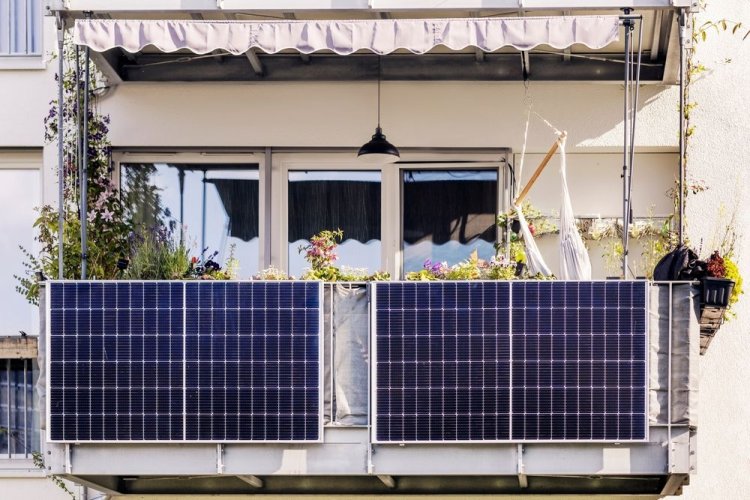
In Germany, more than 400 thousand solar systems have already been installed and are connected to the electricity grid. Many of them are easily placed on the balconies of residents.
This is reported by Euronews.
As it became known, at least 50 thousand photovoltaic devices were installed in the first quarter of 2024 alone.
"Solar balconies are part of Europe's larger transition to renewable energy. We see them as part of rooftop solar panels, but also as something else. Basically, we see it as a trend to use all possible man-made infrastructure to produce solar energy." – explains Jan Osenberg, political adviser of the SolarPower Europe association.
Osenberg notes that the main difference between solar balconies and rooftop solar systems is their smaller size. Basically, such systems consist of one or two panels that are connected directly to an electrical outlet. According to him, they produce about 10% of the energy of residential systems on roofs.
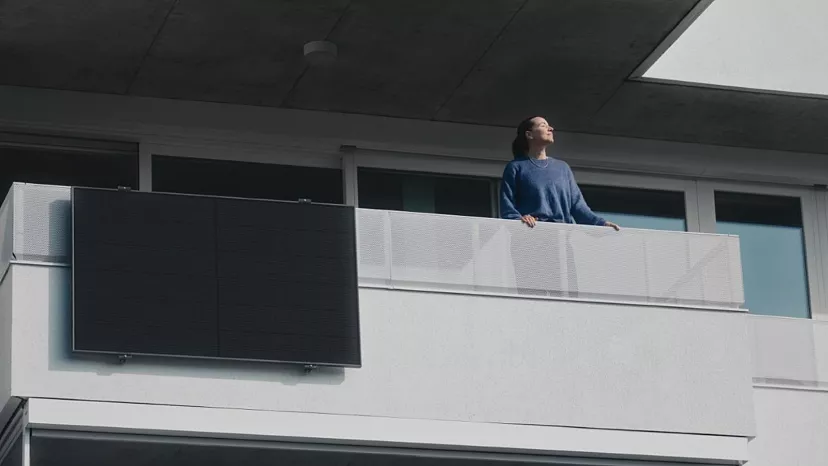
It has been reported that the main reason for the success of balcony solar systems is that they provide the opportunity to use solar energy for people who could not use it before.
"Solar really has such a strong momentum that people are starting to monitor their electricity consumption and feel like leaders in the energy transition," says Osenberg.
According to Osenberg, this technology pays for itself in about three years. Considering that the service life is about 20 years, he believes that it is a very simple investment for citizens.
As EcoPolitic previously reported, 3.2 GW solar capacities were installed in France in 2023, which increased the total capacity of SES to 20 GW.