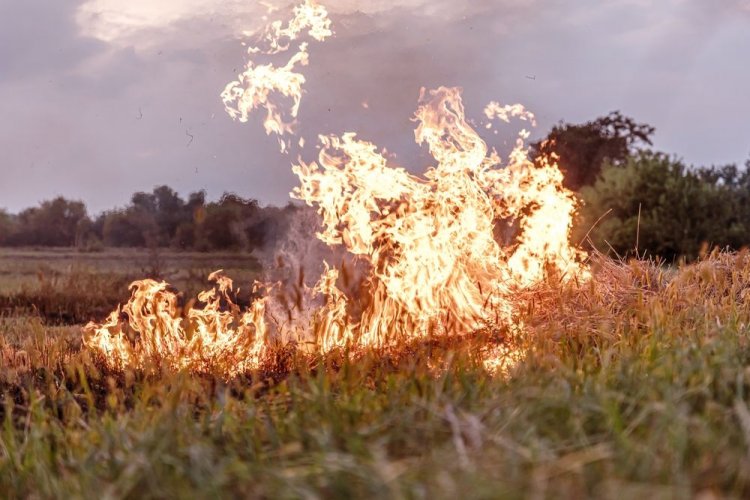
On April 10, on the left bank of the Kherson region, floodplains were burning, and smoke was visible from many areas of the city, according to the Vgoru media platform.
Ivan Moisienko, a board member of the Ukrainian Nature Conservation Group and head of the Department of Botany at Kherson State University, said that the weather in Kherson Oblast had made the reeds even drier, which seriously increased the risk of fires.
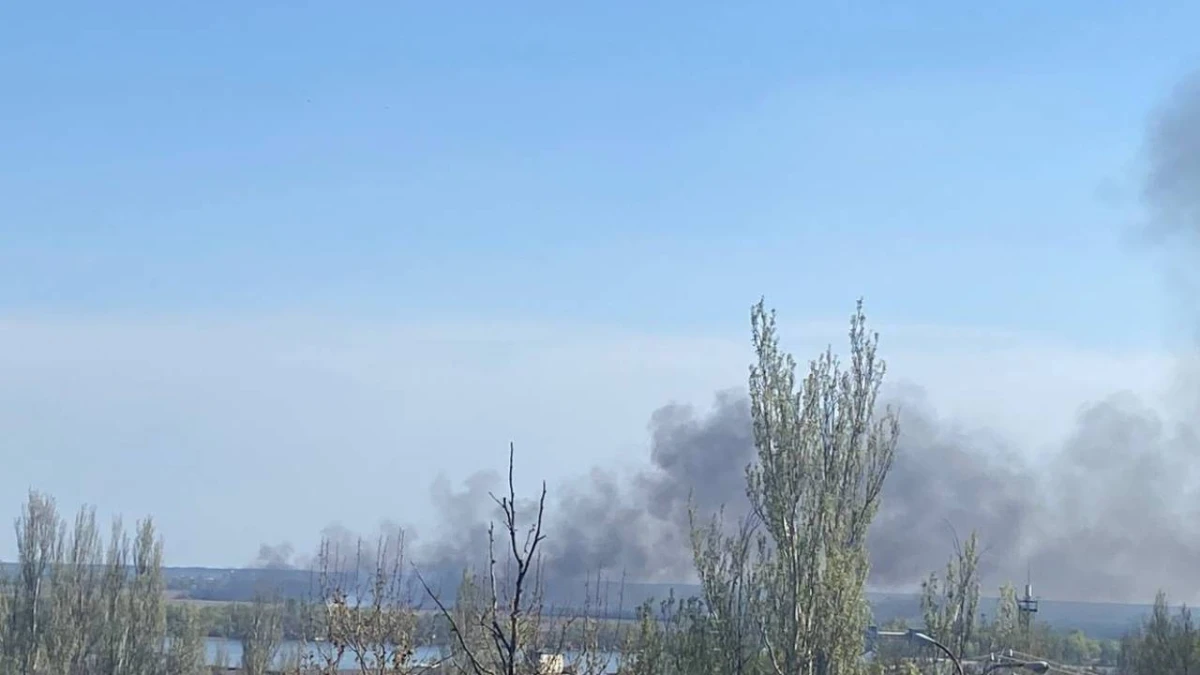
Fires are reported to occur annually on the flood plains, leading to serious consequences for ecosystems. Rare species of plants and animals die, and emissions of combustion products not only pollute the atmosphere, but also aggravate the ecological situation.
It is noted that six months ago, a scientist analyzed that 80% of the territories of the Nizhnyodniprovskyi National Nature Park had burned down due to Russian shelling.
"Currently, we can say that the percentage is approaching 100. Some areas burned several times," Moisienko concluded.
Ihor Pilypenko, Dean of the Faculty of Biology, Geography and Ecology of the Kherson State University, said in a comment to Supplyna that such fires cause the greatest damage to birds, especially in the spring, when they actively build nests and raise offspring in swimming pools.
"Some trees and bushes may also be affected, but the flora will return. It is used to living in such a regime, it has already adapted to it," Pylypenko explains.
But the ecologist is convinced that military actions on the territory of the Kherson region will not affect the restoration of fauna.
"On the contrary, very often this is just an impetus for development, because there are no traditional types of human activity. We do not interfere with nature now – there has clearly been less fishing, we definitely visit the floodplains less, I think that after the flooding there are no people there at all, before because of security issues. That's why the fauna is recovering without us. We left, and the animal world will come to this territory," says Pylypenko.
As EcoPolitic previously reported, in the occupied Kherson region a fire broke out in the unique biosphere reserve "Askania-Nova". The fire covered 7,000 hectares of steppe in the "Southern" area.