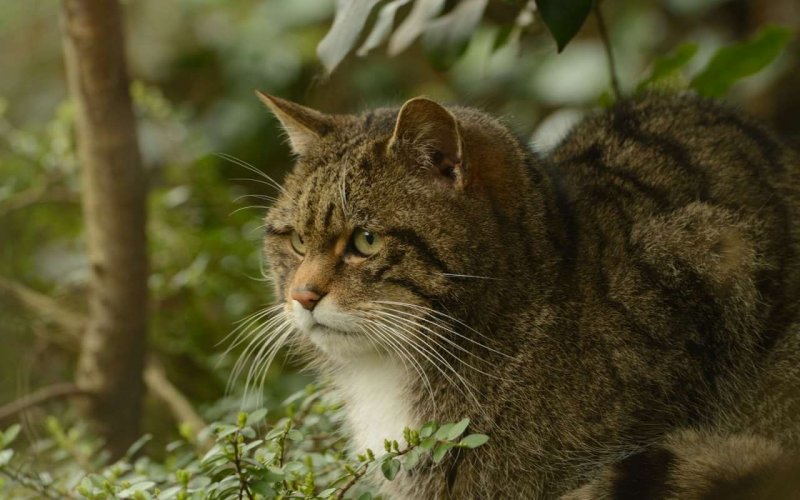
A photo trap captured an almost extinct species of forest cat. Photo fact

A photo trap captured an almost extinct species of forest cat. Photo fact

Elizaveta Volkotrub

The forest cat is the ancestor of domestic cats

In the Ternopil region, in the Medobory Nature Reserve, a camera trap captured a Forest Cat. This species is very rare and is listed in the Red Data Book of Ukraine, the IUCN Red List, CITES, and as a species subject to special protection under the Bern Convention.

This was reported by the Medobory Nature Reserve on Facebook.

The forest cat is a predatory mammal that appeared about 650 thousand years ago. They are noted for their timidity and caution and quickly change their habitat in case of any danger. As a rule, they live a solitary life, and they use smells to communicate with other members of their species. Each cat has a territory of about 10 km² and chooses old trees with a hollow for settling.

They hunt mainly small rodents, birds, insects, snakes, and fish in coastal areas. Experienced representatives of the species can even eat the meat of small martens. Forest cats benefit the ecosystem by controlling rodent populations, which are pests for forests and agriculture.

As EcoPolitics previously reported, Kharkiv residents noticed that ducks began to return to the Lopan River after about 3,000 tons of oil products were spilled into the water.

Related
Penguin chicks are being born earlier due to global warming. Why is this threatening the species?

Animals now compete for food and nesting space, which is not enough for everyone

Court orders police to open case against Ministry of Economy following complaint by environmental activists

Environmentalists seek to hold Ministry officials accountable for tree felling in national parks

High-altitude meadows are being restored in the Carpathians. Why is this necessary?

Camera traps have already captured images of foxes, deer, and roe deer in cleared areas

Roe deer, deer, wild boars: the population of wild animals has grown in the Polissya forests of Ukraine

Foresters attribute this to natural factors, systematic feeding, and semi-free breeding