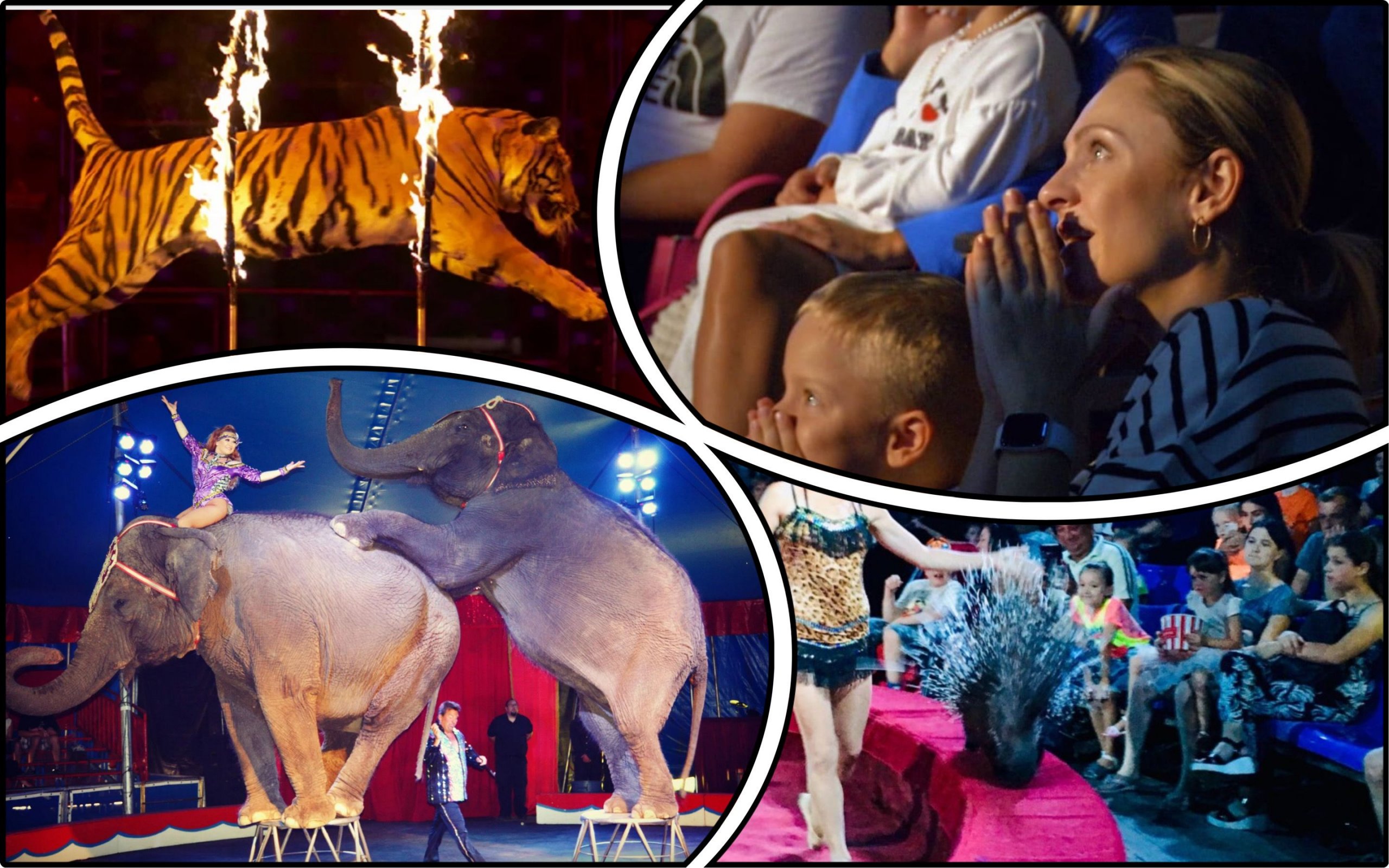
Animal rights activists have urged parents not to take their children to circuses with animals, as it harms their psyche.
In addition, it prevents children from learning about the world, as it distorts their perceptions of nature and animals, the NGO UAnimals reports on Facebook.
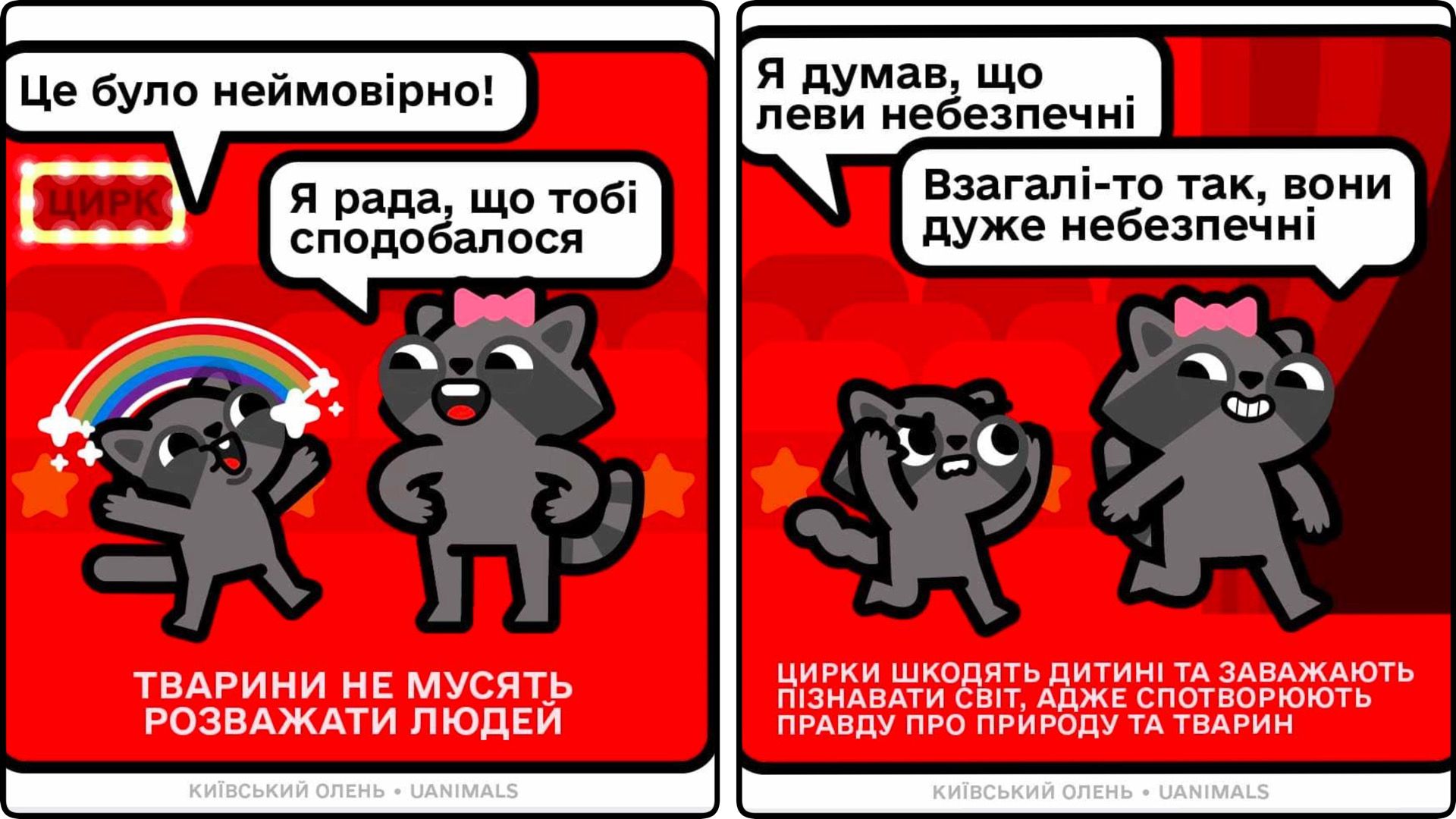
Animal rights activists emphasized that some adults still consider such a "show" appropriate for children's entertainment, however:
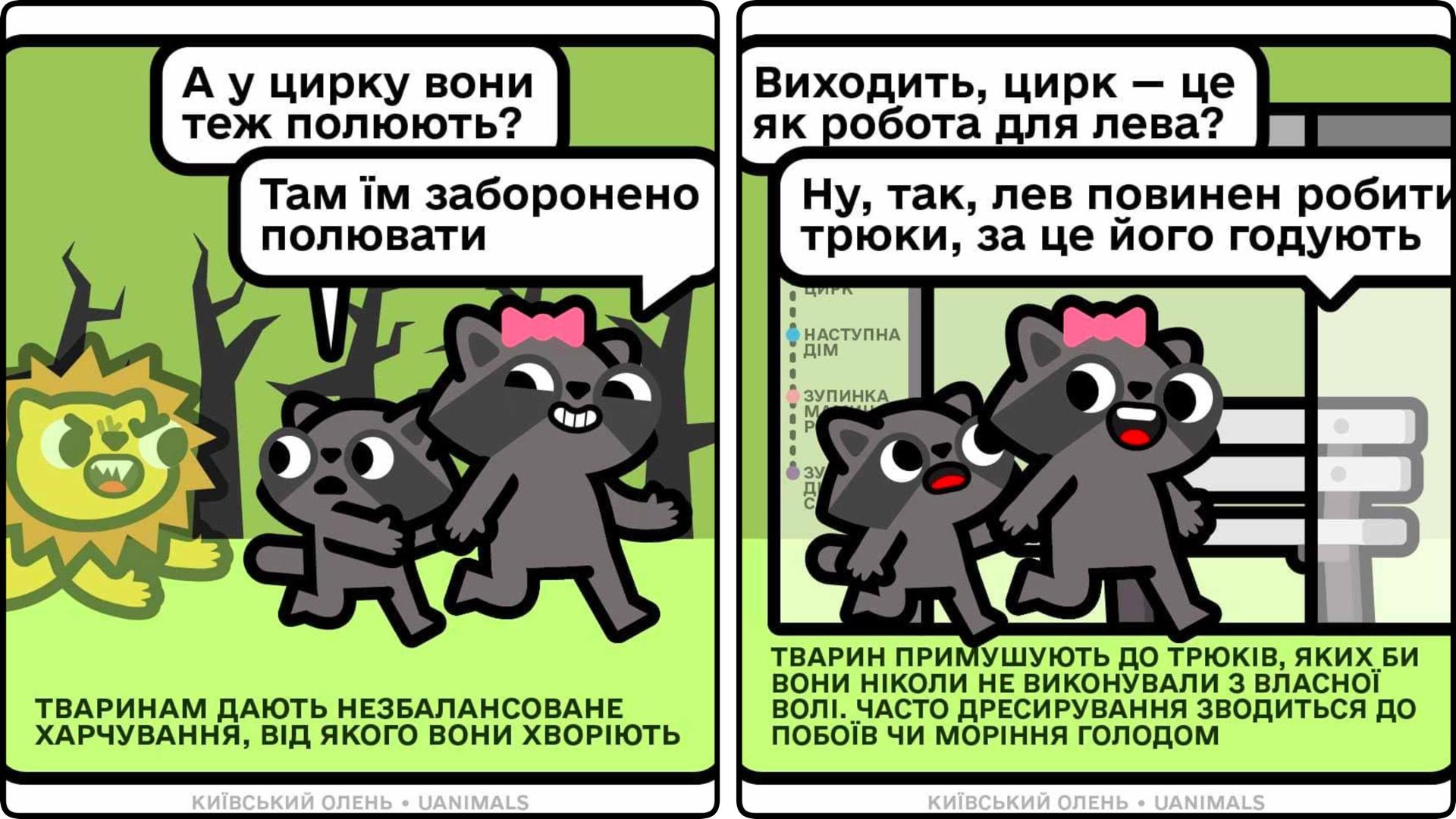
- circuses harm the child and prevent him from learning about the world, because they distort the truth about nature and animals;
- children may think that animals like to perform tricks and cruel behavior of trainers is normal;
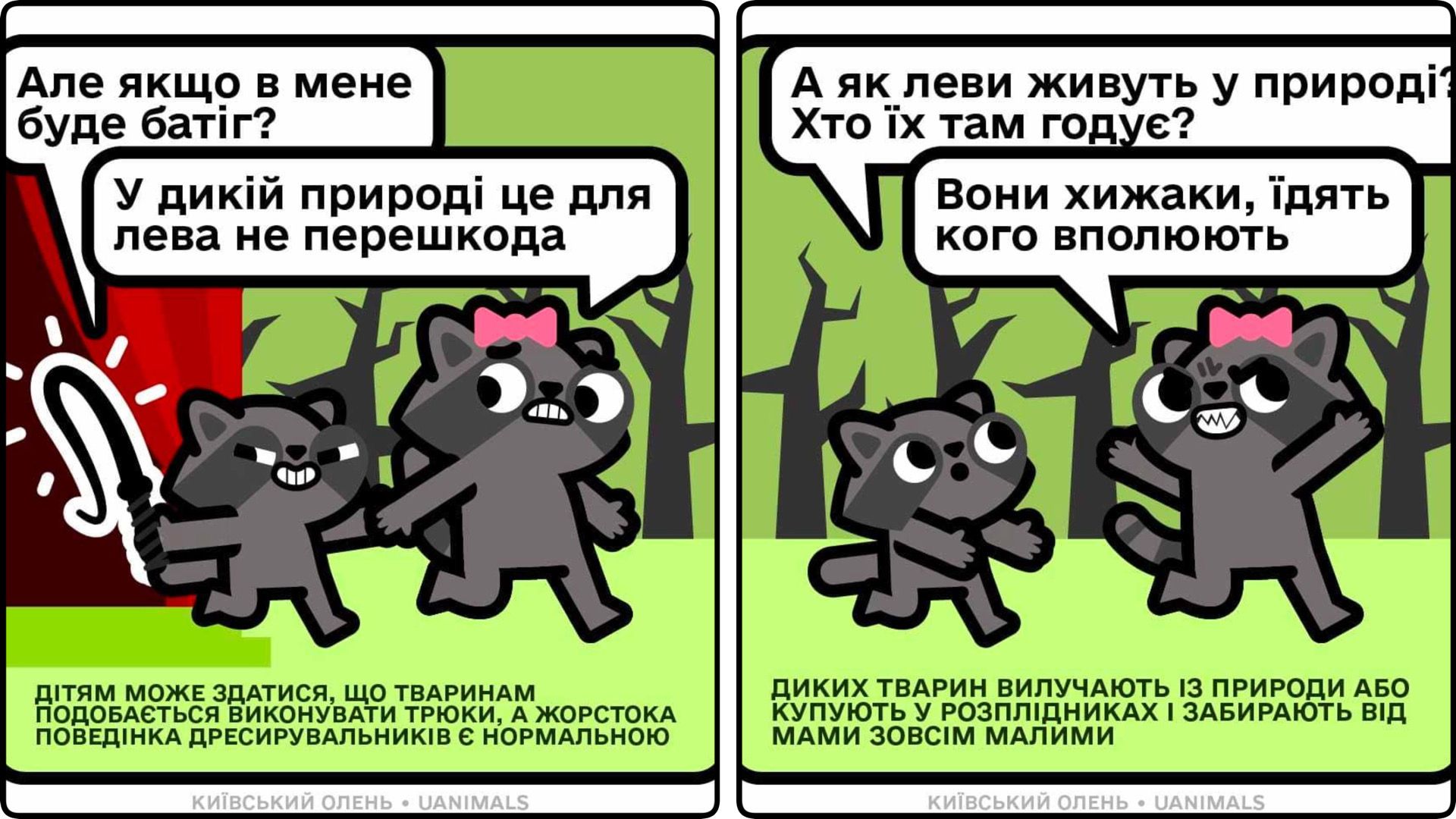
- although most often the animal that performs in the circus has never seen natural conditions, it is kept in a cage all its life;
- very often training is reduced to beatings. This is how animals are forced to do tricks that they would never do of their own free will;
- animals are starved or given an unbalanced diet, which makes them sick.
They noted that activists have been fighting for eight years to ban the exploitation of animals in circuses. However, the draft law No. 5409 "On Improving Legislation on the Protection of Animals from Cruelty in Entertainment" has not yet passed the first reading in the Verkhovna Rada since 2021.
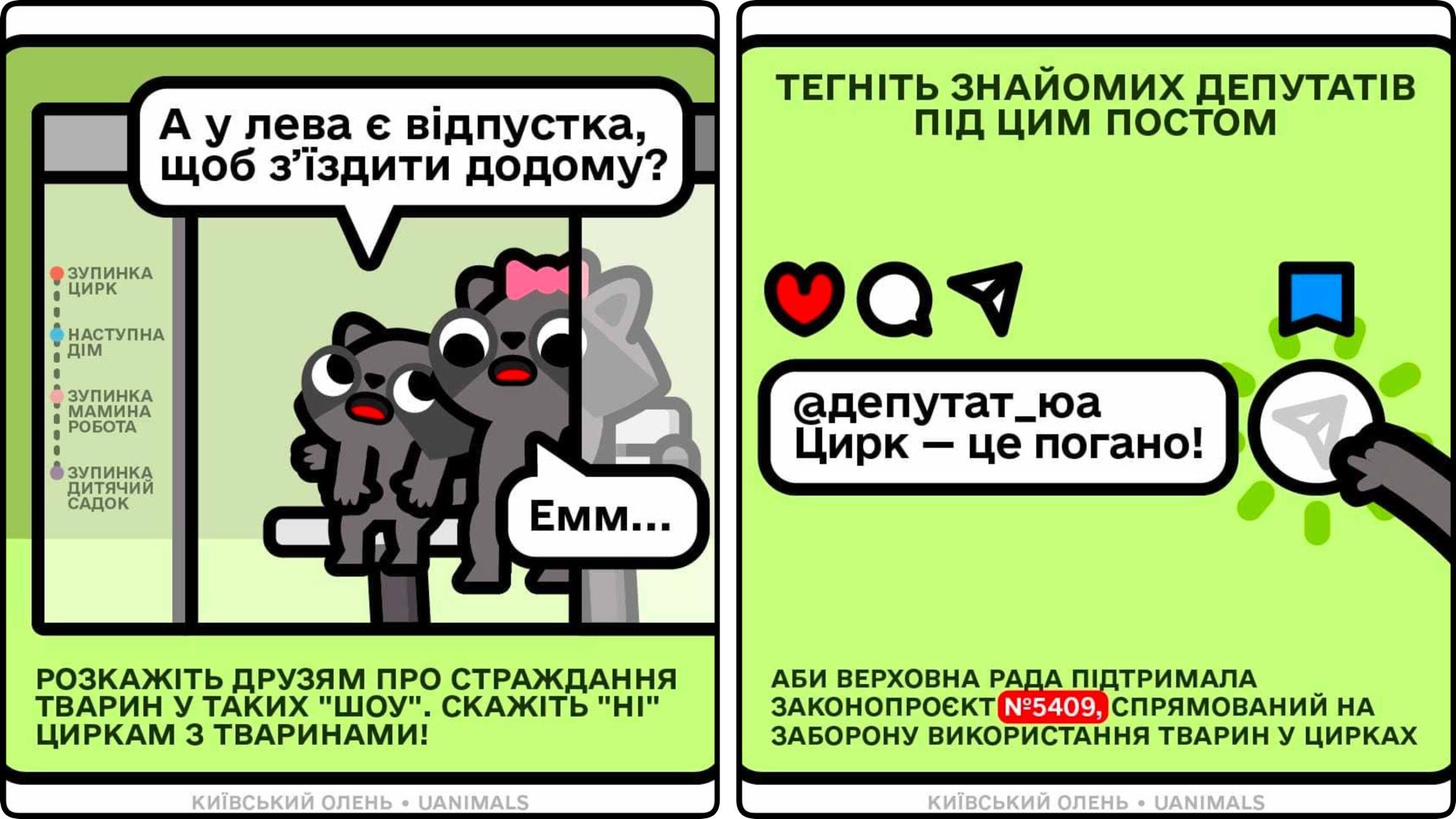
"Meanwhile, circuses continue to create new programs and capitalize on human ignorance and animal suffering," added UAnimals.
Animal rights activists urged parents to acquaint children with nature through wildlife films and encyclopedias, as well as to educate them to be humane.
As EcoPolitic reported earlier, animal rights activists filed a complaint with the police regarding the illegal traveling exhibition "The World of Turtles" in Kamianets-Podilskyi, where animals are kept in cramped aquariums and used for photo shoots.