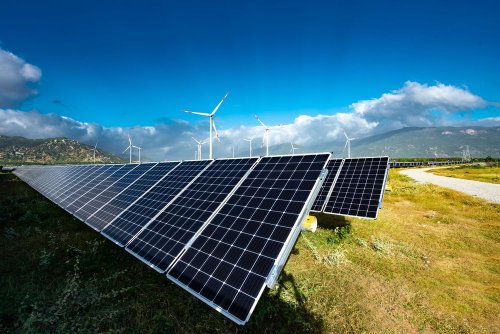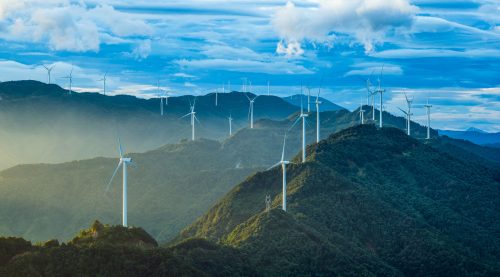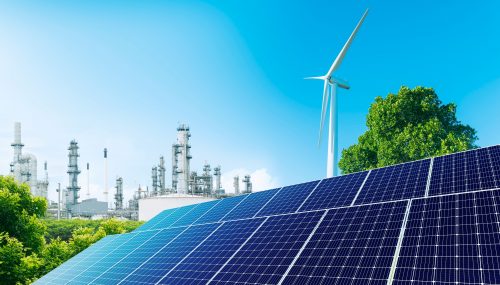
At the COP28 climate conference, 118 governments pledged to triple the world's renewable energy capacity by 2030 and to phase out fossil fuels by 2050.
This will help reduce the share of fossil fuels in global energy production, particularly coal, Reuters reports.
It is noted that this promise was one of a number of statements aimed at decarbonizing the energy sector, which generates about 75% of global greenhouse gas emissions. COP28 participants also discussed:
- expansion of nuclear energy;
- reduction of methane emissions;
- termination of private financing of coal-fired power generation.
The article emphasized that the statement was supported by Brazil, Nigeria, Australia, Japan, Canada, Chile and Barbados. China and India have also announced support for tripling the use of renewable energy by 2030. However, they did not support the general promise to combine the expansion of green capacity with the reduction of fossil fuel use.
"Proponents, including the EU and the UAE, want commitments on renewable energy to be included in the final resolution of the UN climate summit to make it a global goal. This requires a consensus among almost 200 countries present," Reuters reported.
It said climate-vulnerable countries had insisted that these targets should be combined with an agreement to phase out the world's fossil fuel use.
The article added that the deployment of renewable energy sources has grown rapidly over the years. However, labor constraints and supply chain issues have led to delays and cancellations of wind energy projects. Achieving the target of 10,000 GW of global installed renewable energy by 2030 will also require governments and financial institutions to increase investment and address the high cost of capital.
Earlier, EcoPolitic wrote, that at COP28, 22 countries signed the Declaration on tripling nuclear energy capacities by 2050.
As EcoPolitic previously reported, the report of the United Nations Organization showed that by 2030 carbon emissions will decrease by 2% from the level of 2019, although according to the Paris Agreement they should decrease by 43%.