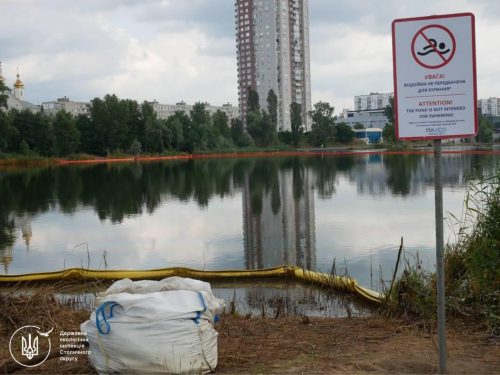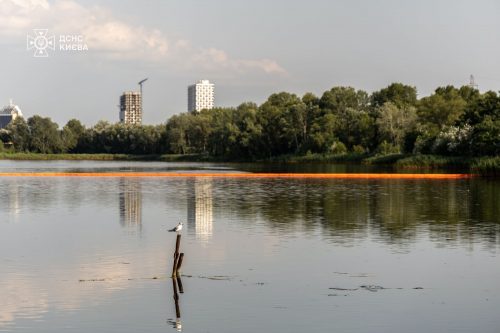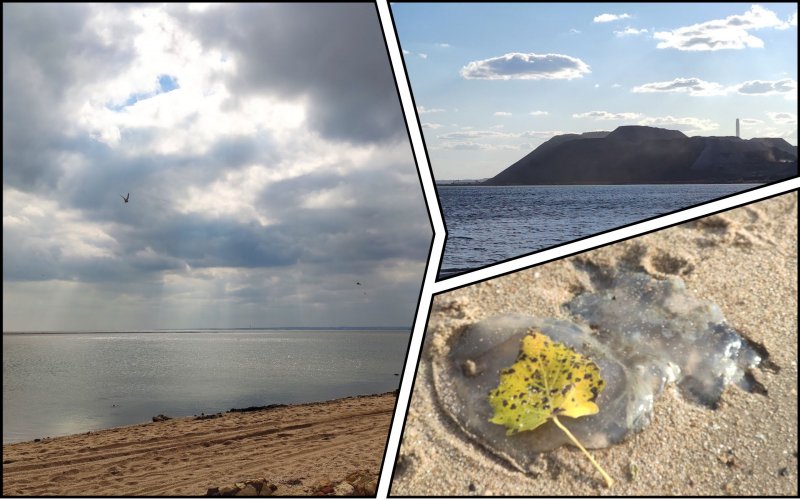
In occupied Mariupol, local residents recorded an October invasion of jellyfish, which is completely uncharacteristic of the Sea of Azov.
The likely cause of this anomaly was a three-fold decrease in the flow of fresh water into the Sea of Azov, Mariupol mayor's advisor Petro Andryushchenko reported in Telegram.
"This is an anomaly," he wrote. "October and jellyfish are like a blizzard in the middle of hot July."
Andryushchenko explained that the Russians filled up two-thirds of the Kalmius river to repair the destroyed bridge near Azovstal, the so-called post-bridge. The buried part of Kalmius is highlighted in yellow in the photo.
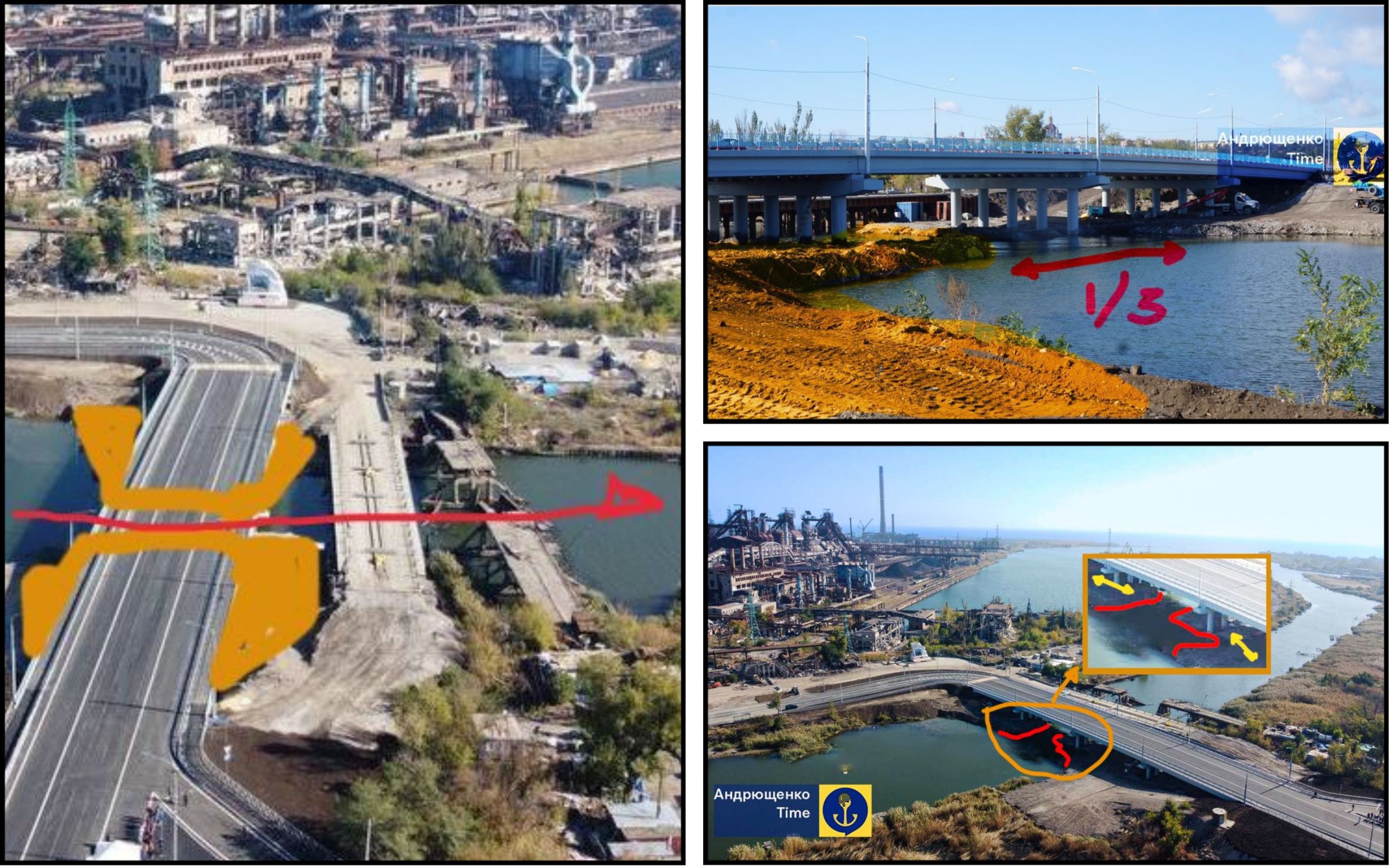
In addition, they destroyed the natural course of the Kalchik River in order to build two more bridges.
"Deliberate actions aimed at critical disruption of the ecosystem of the Azov region and the Sea of Azov," he emphasized. – Russia's ecocide is increasingly difficult to hide."
Earlier, EcoPolitic wrote, that in June near the occupied Mariupol, in Donetsk region, in the Sea of Azov, a mass death of algae was recorded. In addition, the death of dolphins was recorded repeatedly in the water area.
As EcoPolitic reported earlier, in occupied Mariupol, the rivulet Kalchik was completely covered with slag in the area of the destroyed bridge on Kuindzhi Street. Earlier, the occupiers filled Kalchyk near the Extreme Park, and the water pipe was routed through a pipe.