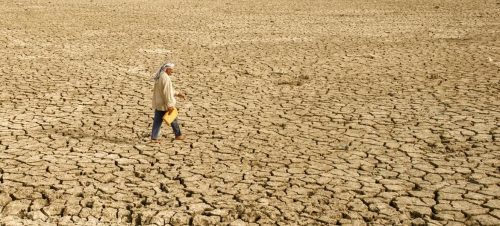
Climate change can affect the taste of wine, which will become sweeter and spicier, with fewer additional floral aromas.
Warming can also lead to a significant increase in alcohol content, the Daily Mail reports.
The material said that the world will have to get used to new varieties of wine, in particular, from mold-resistant grapes. After all, traditional vines are increasingly facing this threat.
Experts believe that even the most expensive exclusive wines will change. After all, dry wines from grapes suitable for a cooler climate are becoming more rare. In addition, the content of tannins, which provide bitterness, astringency and astringency to the wine, may change.
It is noted that due to climate change in some regions, in particular in Great Britain, rains are becoming more frequent. This will lead to the loss of taste of fashionable wines.
Earlier, EcoPolitic wrote, that due to climate change in Norway, local residents began to grow vineyards, far beyond the latitude of 30-50 degrees, which is traditionally considered optimal for wine production.
As EcoPolitic previously reported, in Switzerland, in the canton of Valais, mountain slopes, in particular protected areas, have taken over prickly pear cacti, which can destroy the biodiversity of the Alps.