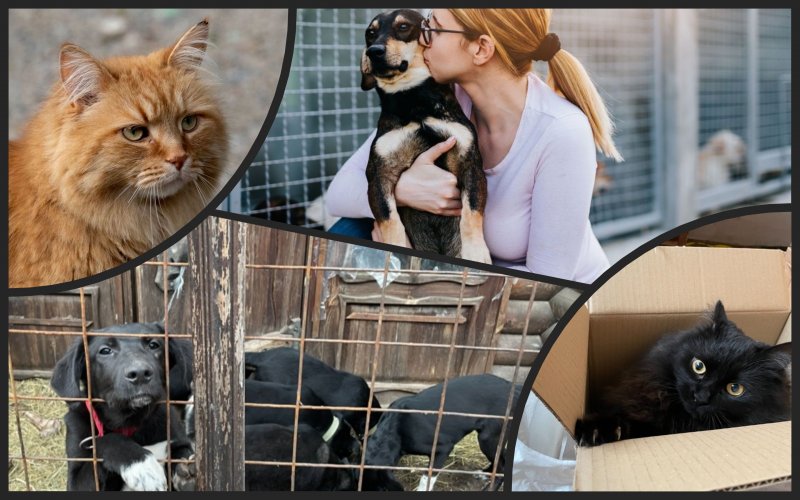
A Gradus study on the attitude of Ukrainians to animal sterilization showed that 82% of people consider it an effective and necessary method to combat the uncontrolled reproduction of homeless animals.
In addition, sterilization prolongs the life of animals for 3-5 years and prevents the occurrence of a number of diseases, in particular cancer, according to the post-release of the event "Discussion of the first study in Ukraine on the attitude of Ukrainians to the sterilization of animals."
The discussion was attended by veterinarians, animal rights activists, representatives of public organizations and businesses focusing on animal welfare.
Animal rights activists noted that one pair of cats and all their descendants within 7 years can give birth to 420 thousand kittens, and one pair of dogs and their offspring over the same period — 84 thousand puppies
According to experts, sterilization is the most effective and humane solution to combat the uncontrolled breeding of stray animals.
The study showed that 63% of Ukrainians recognize the problem of homeless animals. Half of all respondents support sterilization under any circumstances, 38% if there is an objective reason for it.
Director of the public organization UAnimals Olga Chevganiuk noted that Ukraine is among the top ten countries with the largest number of homeless animals. There are two components to solving this problem, namely adoption and sterilization.
“Despite what may be popular belief, spaying is still a humane procedure because we are saving animals from potential future suffering. So, as part of our free sterilization project for homeless animals, together with Royal Canin, we have already managed to sterilize 1,000 cats and almost 400 dogs," she stressed.
Alicia Nemesh, communications manager at Royal Canin Ukraine, noted that sterilization prevents the occurrence of a number of diseases. In addition, it will help to protect the pet from potential escapes, which can cause uncontrolled breeding and possible inhumane treatment of its offspring.
“Being a responsible owner is not only about providing your pet with quality food or freely available water. It's about the health and safety of the animal. Responsible owners are becoming more conscious about the health of their pets,” she said.
Nemes added that according to the survey, 50% of cat owners and 28% of dog owners have spayed their pets. The majority of respondents noted that they decided to neuter their pet of their own accord (66% of cat owners and 58% of dog owners).
Earlier, EcoPolitic wrote, that animal rights activists sterilized 300 animals for free in the Kharkiv region.
As EcoPolitic reported earlier, pensioners in Kyiv were offered to sterilize their pets for free in three city veterinary clinics.