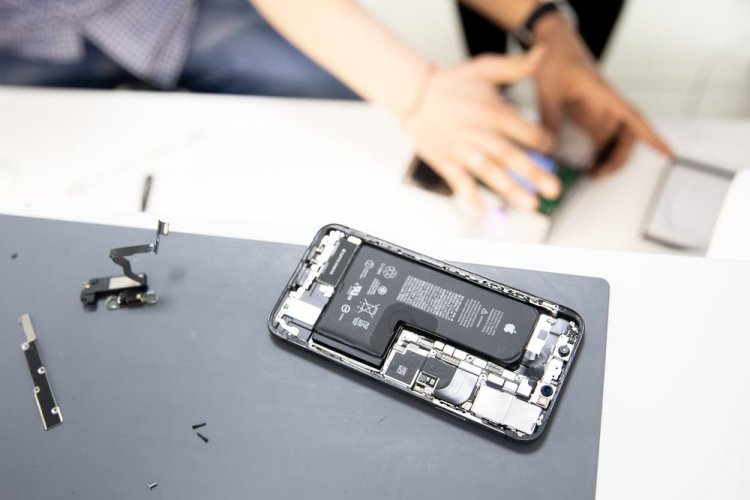
Global corporations, including Apple, Google, Microsoft and Tesla Inc., have been accused of undermining consumers' right to repair appliances in order to encourage new gadget purchases.
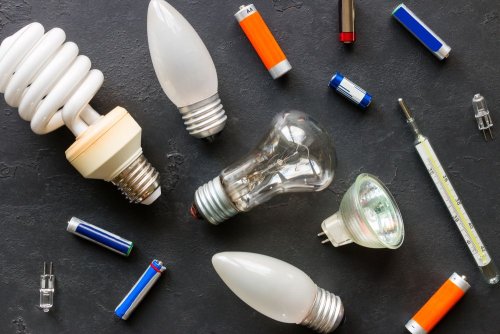
In 2019 alone, about 53.6 million tons of electronics were thrown away in the world, of which only 17% were recycled, according to Bloomberg.
The material emphasized that companies make it difficult for technicians to access their products, original parts or software updates. Devices are simply thrown away, because repair is often even more expensive than buying a new one. Some companies, in particular Apple, are accused of deliberately updating software to degrade performance.
After long resistance to calls from campaign groups for the "right to repair" of gadgets, some major manufacturers are beginning to change their stance.
E-waste is said to contain heavy metals and toxic compounds, including arsenic, lead, mercury and cadmium, which cause cancer and birth defects. In the last 50 years, the consumption of electronic devices has increased 6 times, although the world population has only doubled.
The authors emphasized that the production and supply of new devices requires significant energy and raw material costs, which further harms the environment. For example, the production of one smartphone creates 40-80 kg of carbon emissions, which is similar to the emissions of a passenger car for 320 km.
They also added that consumers of other equipment, such as washing machines, refrigerators, cars, tractors, etc., have difficulties with repairs.
The material emphasized that Apple, Google, Microsoft and Tesla Nts. spent considerable funds on lobbyists to argue that right-to-repair laws would expose industry secrets, give third parties access to confidential information, and jeopardize consumer safety.
"Critics say the industry opposes a free repair market because it would drive down the price of that work and encourage more people to repair their gadgets, leading to lower sales of new ones," the authors noted.
They also emphasized that in the EU and the UK, manufacturers of washing machines and dishwashers, refrigerators and televisions have been legally forced to guarantee the possibility of replacing parts with common tools that consumers can easily use. The EU is considering the possibility of extending such norms to mobile phones, tablets and computers.
It is noted that in France, manufacturers must provide a "repairability assessment" for some electronic devices. Apple, for example, gave the iPhone 12 Pro Max, released in late 2020, a 6 on a scale of zero to 10.
The article noted that consumer advocates are already expressing frustration that some of the new rules benefit only professional repairers because they do not guarantee the right to repair for consumers and nonprofits. In addition, legislation often focuses on physical components rather than software. After all, replacing a faulty part may be useless if the device also needs a software update.
Instead of replacing a specific component, it is proposed to replace the entire module. For example, instead of replacing the drum bearings in a washing machine, you may have to replace the entire drum, making repairs almost as expensive as a new machine.
Earlier, EcoPolitic wrote, that in Europe, a law has entered into force that obliges manufacturers of household appliances guarantee repairs for 10 years.
As EcoPolitic previously reported, the European Commission presented new rules against greenwashing, planned obsolescence and false environmental claims to protect consumers.