The Voluntary Carbon Market (VCM) plays an important role in the path to climate neutrality, allowing polluters to offset CO2 emissions by purchasing carbon credits from capture or abatement projects.
Forests are the largest carbon sinks, recording 7.6 billion tons of carbon dioxide equivalent, reports Visual Capitalist.
The article highlighted that in 2021, carbon credits from such natural climate solutions accounted for 66% of the value of transactions in VCM, totaling $2 billion.
"Thus, restoring, conserving and managing forests and other natural carbon sinks is critical to achieving zero emissions by 2050, and nature-based climate solutions are one way to do this," the authors emphasized.
As more organizations commit to climate goals, carbon credits from these projects are in significant demand.
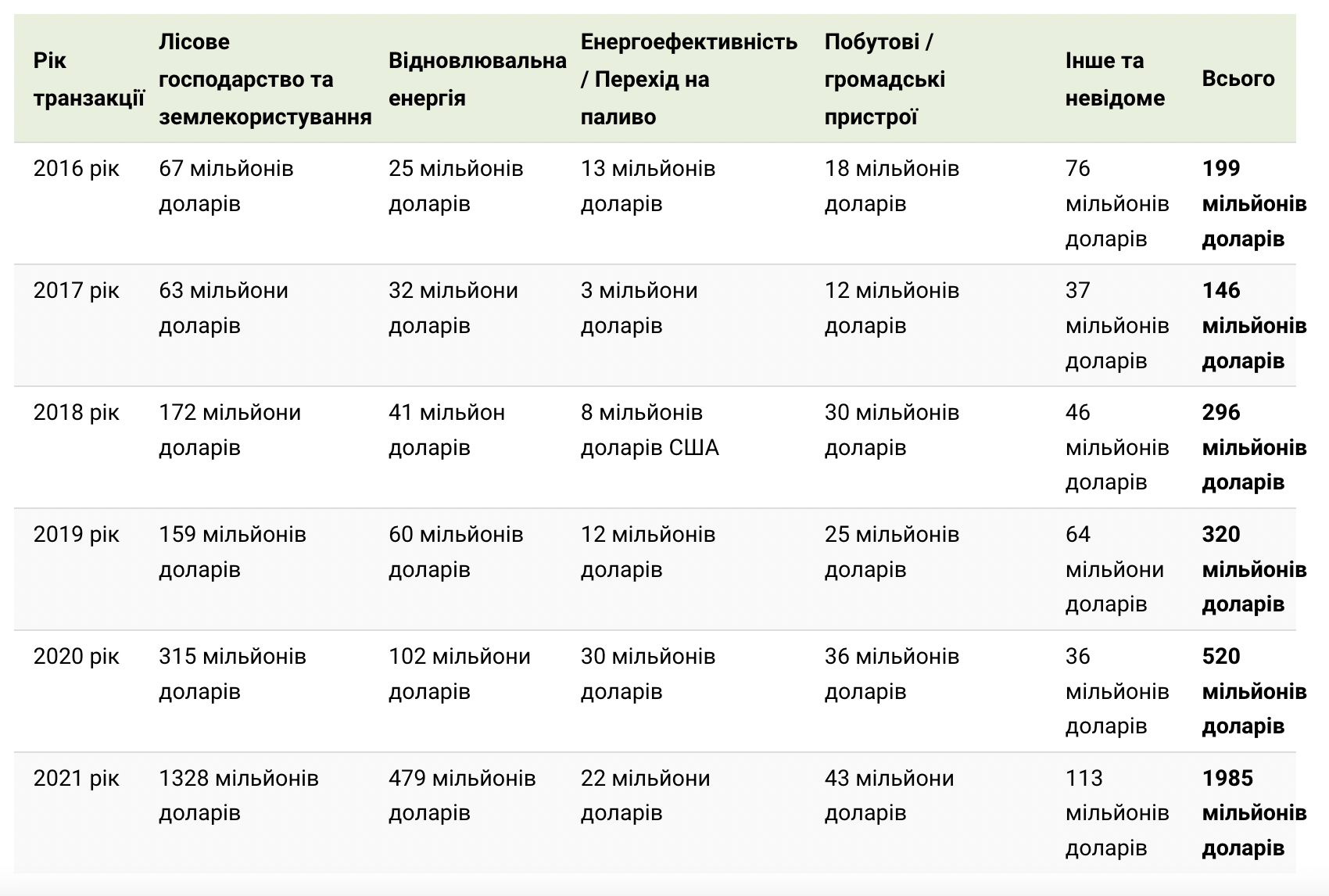
Distribution of transaction costs by project categories
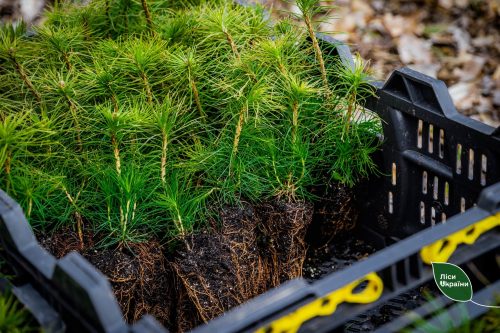
The paper emphasized that forestry and land-use projects manage forests, soils, grasslands and other land types to avoid or reduce carbon emissions or increase carbon sequestration. These projects generate one carbon credit for every ton of CO2-equivalent greenhouse gases they remove or prevent from entering the atmosphere. In addition, they have co-benefits in achieving the Sustainable Development Goals, because they contribute to the restoration of biodiversity, the improvement of soil, air, water and local communities.
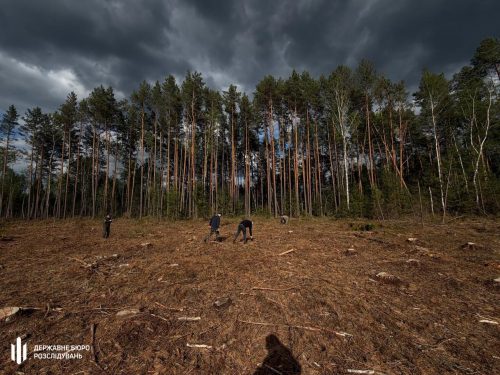
Scientists estimate that if forests are allowed to grow naturally, they could absorb up to 8.9 billion tonnes of CO2 per year by 2050, while maintaining native grasslands and current levels of food production.
Earlier, EcoPolitic wrote, that scientists from the Society for the Protection of Underground Networks (SPUN) launched a project to map and preserve underground fungal networks of the planet to fight climate change.
As EcoPolitic previously reported, the London startup Brilliant Planet developed the technology capture and storage of carbon using algae, where the price per ton of carbon will be from $50 to $100.