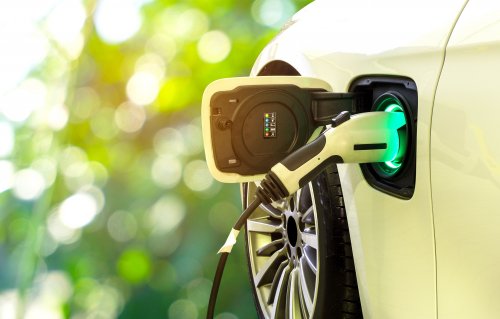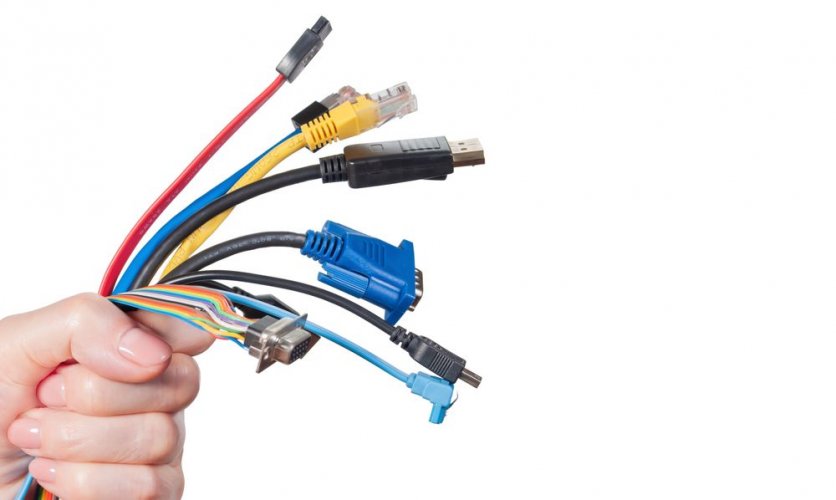
The Council of the European Union has finally approved the Directive on universal chargers, under which the USB-C port will become mandatory for mobile phones, tablets, headphones and a number of other devices from 2024.
This will help consumers save money, reduce e-waste and increase convenience, reports Council of the EU.
The message emphasized that thanks to the harmonization of charging interfaces and fast charging technology, it is no longer necessary to buy a charger when buying a new gadget. After all, all of them can be charged using one charger.
The Minister of Industry and Trade of the Czech Republic, Josef Sikela, emphasized that chargers make up 11,000 tons of e-waste every year, and at least 3 mobile phone chargers per person.
"Having a charger that fits multiple devices will save money and time and help us reduce e-waste," he added.
The message noted that, so that consumers know exactly what they are buying, the directive introduces an icon indicating whether a new device comes with a charger and a label indicating charging efficiency.
The directive also allows consumers to choose whether to buy a new device with or without a charger.
"This will not only save consumers money, but also reduce electronic waste associated with the production, transportation and disposal of chargers," the press service of the Council of the EU explained.
Four years after the directive comes into force, the European Commission (EC) will assess whether such unbundling of sales should be made mandatory.
The message emphasized that, despite the fact that wireless charging is becoming more and more popular, it is not yet harmonized between devices. To make this technology available to more devices, the EC will work on the harmonization of wireless charging for electronic devices and interoperability based on technological developments.
A USB-C charging port will become a must for:
- mobile phones;
- tablets and electronic reading devices;
- digital cameras and game consoles;
- headphones, earbuds and portable speakers;
- wireless mice and keyboards;
- portable navigation systems.
The new rules will also apply to all laptops 40 months after the directive comes into force.
The report highlighted that in 2020, consumers in the EU bought approximately 420 million electronic devices and on average own three chargers to charge these electronic devices, of which they regularly use two. However, 38% of consumers said they had trouble charging their devices due to the lack of a compatible charger.
Earlier, EcoPolitic wrote, that the amount of e-waste due to globalization, accelerated by technological development and the escalation of military conflicts, is rapidly increasing. It causes a resource crunch, which may end in the next century.
As EcoPolitic previously reported, a law has entered into force in Europe, which obliges manufacturers of household appliances to guarantee repairs for 10 years.