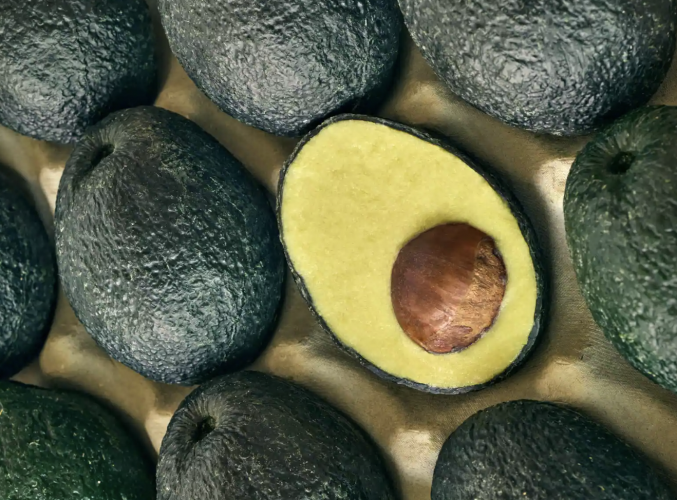
In the UK, at the University of the Arts London, designer Arina Shokouhi has developed an ecological substitute for the popular avocado "ecovado", which does not cause significant damage to the environment.
It consists of hazelnut, apple, rapeseed, beans, walnut instead of a stone and a waxy skin, reports The Guardian.
Shokouhi said that when she chose a vegan diet, she hoped that the new diet would benefit the environment.
However, avocado is a seasonal fruit, and growing it year-round requires a significant amount of natural resources, fertilizers and pesticides, and contributes to deforestation. In addition, transporting avocados from Mexico, Chile and Peru creates greenhouse gas emissions.
"I thought it would be a positive solution to develop a new local low-impact version of the avocado," Shokouhi said.
The article noted that ecovado was created in collaboration with scientist Jack Wallman from the Center for Food Innovation in Nottingham. He helped Shokouha analyze the avocado and work on substitute ingredients for its flavor.
Ecovado is not yet in production, but Shokouhi hopes to make it a commercial concern.
"Public attention to the need to fight climate change is growing. Consumer awareness of how we produce and consume resource-intensive imported food products is a significant lever for reducing our impact on the climate," said the designer.
She also added that this product was developed for the UK and may contain other ingredients in other countries.
As EcoPolitic reported before, in the world the concept of agrovoltaics is gaining popularity – combining crop cultivation with solar panels to avoid land use competition between RES deployment and food production. This helps to increase the efficiency of farms.