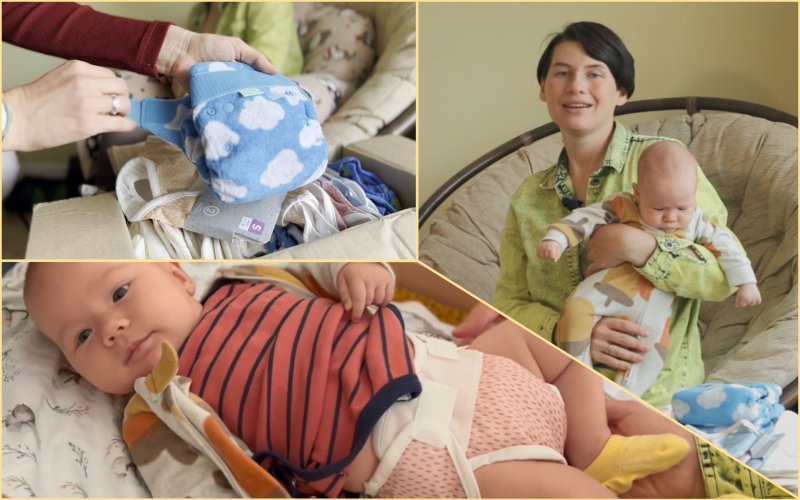
In Lviv, eco-activists launched a pilot project for renting reusable diapers.
During the month, the participants of the program, a young mother and her young daughter, will test a set of more than ten Belgian-made diapers, the environmental protection organization Zero Waste Lviv reports on Facebook.
The message emphasized that every week a woman will talk about the features of using such diapers, their pros and cons, the number of disposables saved, and most importantly – how the girl feels in them.
Eco-activists noted that the rental of reusable diapers exists in many countries and is also supported at the city level. For example, in Great Britain, families with small children can both take a set of diapers of different brands for a short time, and get them for long-term rent.
"We dream of such a thing in Lviv, so this is the first step," they emphasized.
Earlier, EcoPolitic wrote, that Ukrainians were urged to switch to alternatives to disposable synthetic diapers, because they make 2% of global garbage and for centuries emit dangerous substances that poison the soil and air.
As EcoPolitic previously reported, Lviv ecoactivists conducted a popularization project reusable menstrual hygiene products.