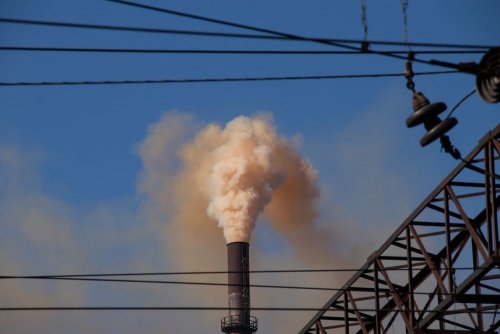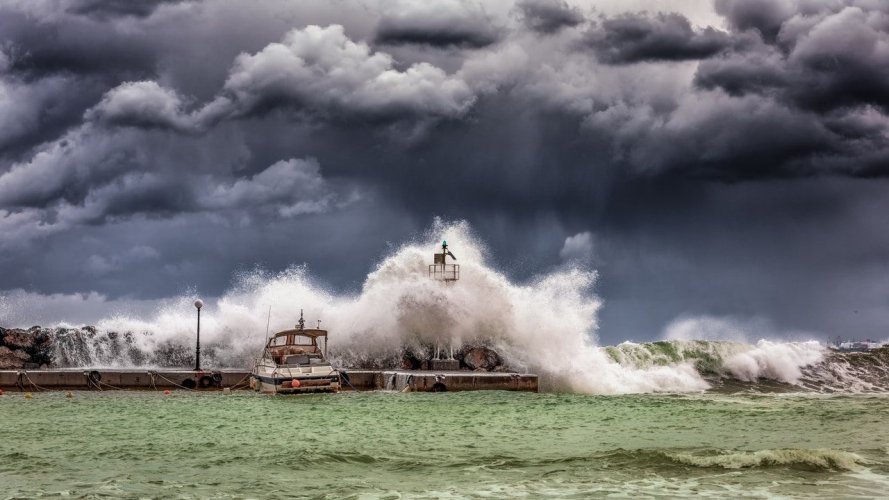
The UN has predicted an increase in the frequency of natural disasters by almost half by 2030

The UN has predicted an increase in the frequency of natural disasters by almost half by 2030 pexels
Olena Yatseno

Due to the climate crisis, natural disasters occur where they have not been before

By the end of this decade, the number of annual natural disasters in the world will increase by 40%, that is, from 400 to 560.

This is with reference to the report of the United Nations Office for Disaster Risk Reduction reports AP.

According to the report, there will be three times more extreme heat waves than at the start of the 2000s. The number of droughts will increase by a third.

In addition, the UN considers it likely that people will also face new pandemics and food shortages.

According to the organization's specialists, in recent years the number of victims of natural disasters has increased compared to the previous five-year period. This is due to the fact that, due to the climate crisis, natural disasters occur where they did not exist before. And in such regions, warning systems for the population and disaster prevention do not work.

For comparison: from 1970 to 2000, 90-100 natural disasters of medium and large scale hit the planet every year. In 1990, natural disasters cost the world about $70 billion; in 2021, it will be $170 billion.

Before EcoPolitics wrote that in 2021 the ten most severe weather events caused more than $170 billion in damage.
Related
Are greenhouse gases harmless? The US is scrapping a key document of its environmental policy

Experts consider this to be the biggest attack on climate change efforts

They want to surround the Doomsday Iceberg with a 150-meter wall. Why?

If a glacier the size of Britain melts, sea levels will rise by as much as 65 cm

The sense of security is false: economic models underestimate climate change

In the summer of 2025 alone, Europe lost at least €43 billion due to weather disasters

Climate inequality: wealth and health levels affect heat resilience

Effective cooling systems are unaffordable for 38% of respondents