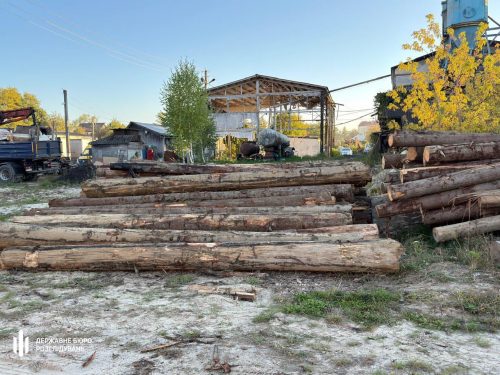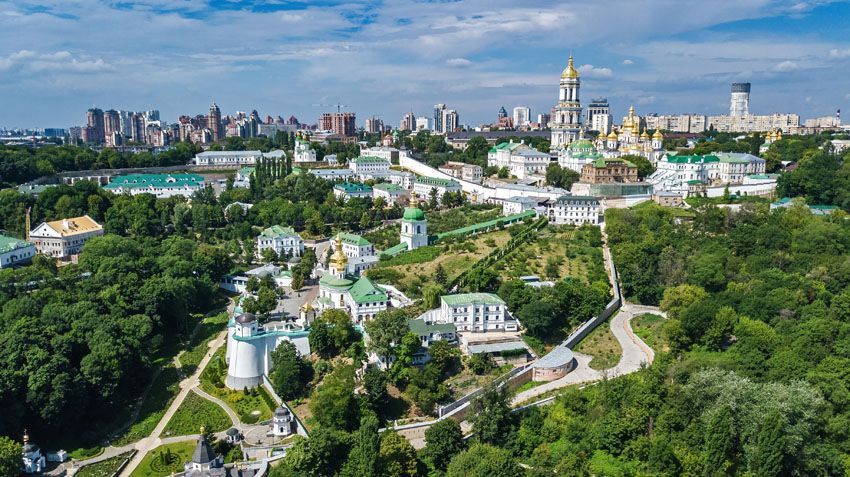
A walk around the city is increasingly becoming a test rather than a break from routine. This is due to inefficient urban planning, where large-scale urbanization with a focus on cars and high-rise development takes precedence over people. As a result, green spaces, parks, and recreational areas are being destroyed.
Why is this bad? We explain
Green zones provide people with a place of tranquility. They allow you to momentarily forget the city’s fast-paced rhythm and relax. It’s not surprising that many people want to escape to the countryside, which resonates with mental relaxation. Green plantings help reduce noise, especially near roads and railway tracks, improve air quality, and assist the city in absorbing water during prolonged rainfall. This also positively affects the emotional state of residents. Why should inhabitants of megacities be deprived of this?
The practical advantage of greening is obvious. But we must not forget the aesthetic one. Compare:
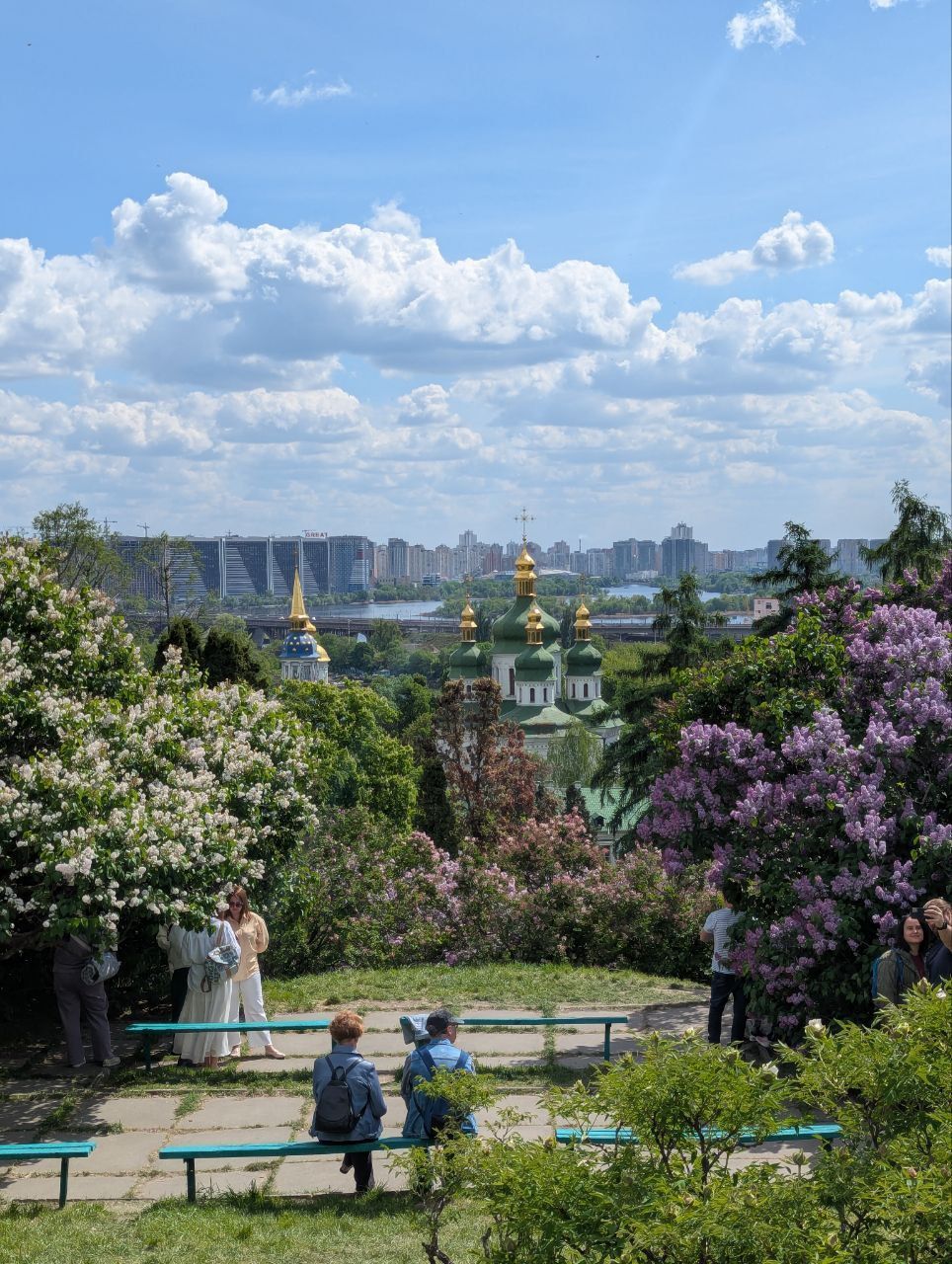
Photo: Illia Fedun
This is a viewpoint in the Hryshko Park near the Vydubychi Monastery, a jewel of Kyiv. Behind the monastery, the landscape of the left bank is spoiled by high-rise developments. This is a contrast best avoided.
A photo of the Kyiv Pechersk Lavra, where greenery closely interacts with development:
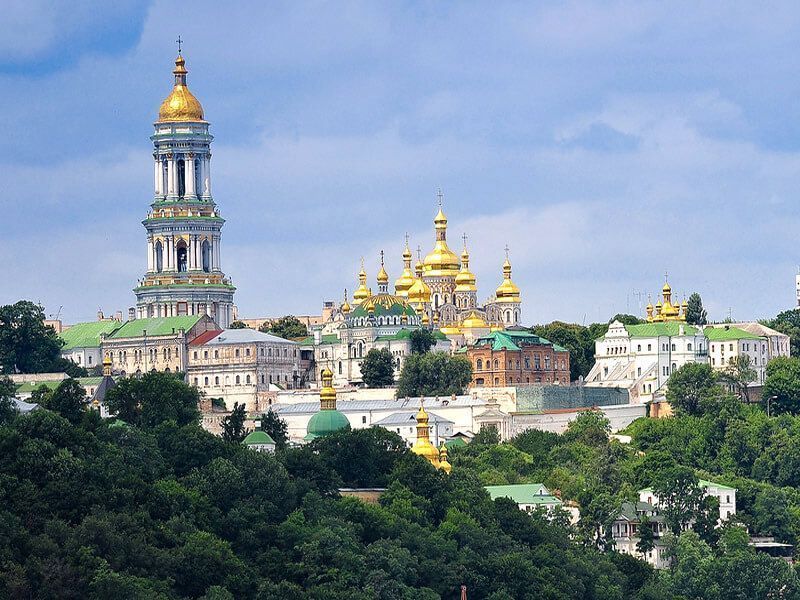
Photo: ua-region.com.ua
How can the situation be improved? Using the Ukrainian capital as an example.
1) Design streets for pedestrians, not cars!
Kyiv is a city of cars, and their number is only increasing. They create traffic jams that obstruct residents on their way to work or study. However, the main problem is parking space. There are not enough parking lots, so cars end up on lawns and sidewalks. This prevents pedestrians from moving freely around the city. A network of paid multi-level parking lots could be a solution. Additionally, stricter control over parking rule violations is needed.
Advantages:
1) Kyiv residents would be more likely to use public transport, as it will be much more economical. There would be no need to pay for car parking, and streets could be partially relieved of congestion.
2) The number of spontaneous parking lots in green areas would decrease. This will improve the appearance of the streets and enhance residents' safety.
3) The air in Kyiv will have a lower level of pollution. Kyiv residents will no longer fear opening their windows due to the noise and fumes coming in from the highways.
2) Parks and Gardens Are Not for Development!
Kyiv has historically boasted wonderful natural parks with their own unique charm. The previously mentioned Hryshko Botanical Garden, Fomin Botanical Garden, and for those fond of Asian aesthetics, Kyoto Park – this is not the full list. Residents of Kyiv come to these places to relax, take a walk, or walk their dogs. Life in the capital is hard to imagine without them. Even under such circumstances, these places are at risk due to the threat posed by residential development projects.
Over the past 10 years, developers have destroyed more than 700 ha of Kyiv's parks. Over the last 4 years, the rate has tripled.
Among those affected:
“Nyvky Park”, “Troyeschyna Meadows”, “Tserkoshchyna Tract”, “Lysa Hora”, “Babyn Yar Park”, “Protasiv Yar” and others. Developers have encroached, or continue to encroach, upon these protected areas. In some cases, legal proceedings are still underway regarding the issuance of illegal construction permits, as noted by the Kyiv Ecological and Cultural Center on Facebook.
Legal-level protection should be created against unscrupulous developers. This will help preserve the natural reserves for Kyiv residents. Environmental organizations and concerned locals are already working on this.
3) Introduce Environmental Education for Every Community!
To tackle the problem, it is necessary to know more about it and to involve a large number of motivated people. It is worth supporting environmental education programs at universities and schools, as well as encouraging public initiatives: public eco-rankings for each community to make it possible to monitor improvement statistics in the region, community clean-up events, and more. It is necessary to establish a monitoring system for air and water quality, displaying them as colored zones. This will enable a deeper understanding of causal relationships and allow for an immediate response.
Summary:
Parks and Green Areas Are the Key to the Development of Large Cities.
Plantings play an important role in maintaining the natural ecological balance in urban environments. To preserve quality of life, it is necessary to gradually increase the number of green areas, parks, and other recreational spaces. In densely built-up urban areas, plantings can be placed on rooftops, creating comfort right in one’s home, although this is not possible everywhere. At the same time, the number of cars should be reduced in favor of pedestrians, freeing them from constant pressure. The city is our puzzle, and only we can make it better and greener.
As EcoPolitica previously reported, in Kyiv, media exposed manipulation by the local authorities regarding greening.