A Christmas tree decorated with shiny ornaments is a traditional symbol of New Year's and Christmas holidays. Now, when people in Ukraine are lacking positive emotions for obvious reasons, such a small detail of festive decor is extremely important for many families. However, when choosing a tree—cut, live, or artificial—it is also worth considering its pros and cons.
EcoPolitic has prepared a brief comparison to help you make your choice. The text uses data from the State Environmental Inspection and the State Forestry Agency.
Natural Christmas tree
Ukrainian forestries specially harvest trees for sale during the holidays. These conifers are grown in nurseries, and the number that can be cut down is recorded. This year, the State Enterprise "Forests of Ukraine" plans to sell about 140,000 conifers. Their cost will vary between 210 and 250 hryvnia, depending on the region.
In other words, Christmas trees grown officially for sale are positioned as commodities, just like vegetables or fruit. After the holidays, it is important to recycle these trees rather than simply throwing them away. They can be used to make wood chips or compost, which will "close" the natural cycle.
However, environmentalists have a different opinion. Since Ukraine has lost 20% of its forests due to the war, they consider even legal logging to be inappropriate, especially on such a scale.
Illegally felled Christmas trees are another matter. Black loggers often destroy healthy young trees in forests where logging is strictly prohibited. Both the sale and purchase of such trees are illegal.
Responsibility for violations
Previously, EkoPolityka reported that illegal felling and sale are punishable by law according to the code of administrative offenses:
- for illegal felling, the fine is up to 1,020 UAH for citizens and up to 5,100 UAH for officials;
- for illegal sale, the fine amounts to 510–1,700 UAH with confiscation of the trees.
How to find out if a tree has been cut down legally
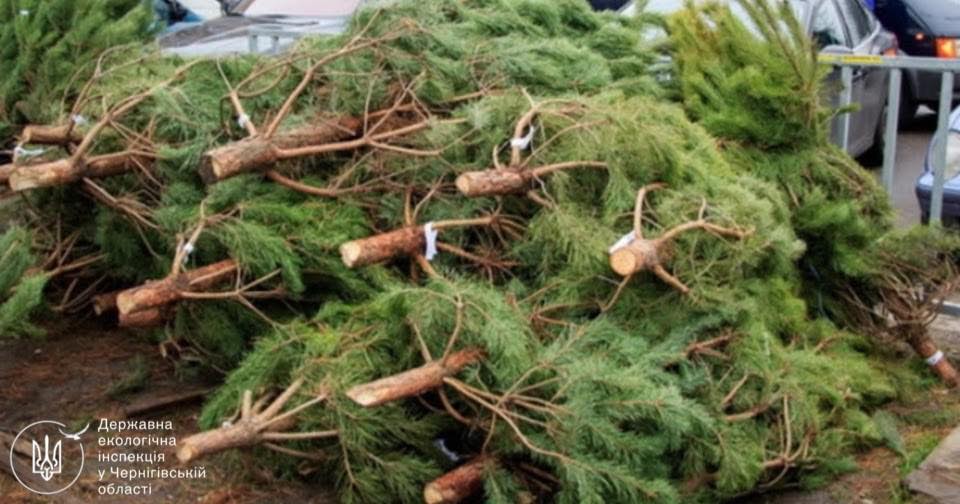
Every pine or fir tree that has been officially grown and cut down in a forestry enterprise must have a tag with a code. To ensure the legality of the purchase of this tree, the buyer can check the number on the State Forestry Agency website at the link. Go to the "Check New Year's trees" tab and enter the numbers from the tag.
New Year's tree made of artificial materials
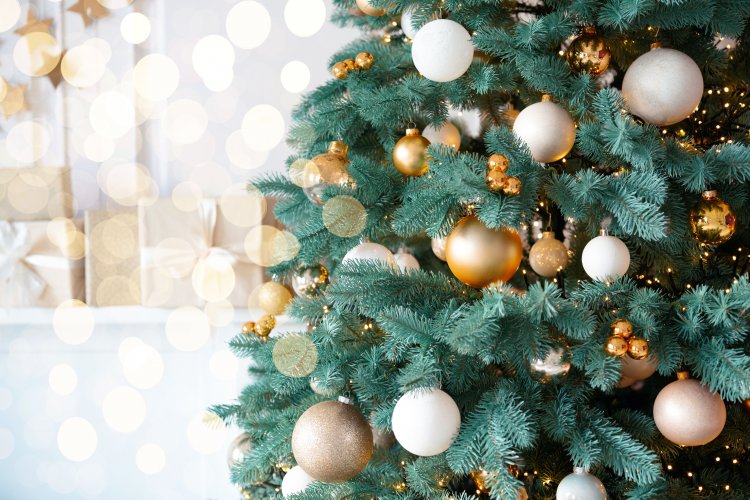
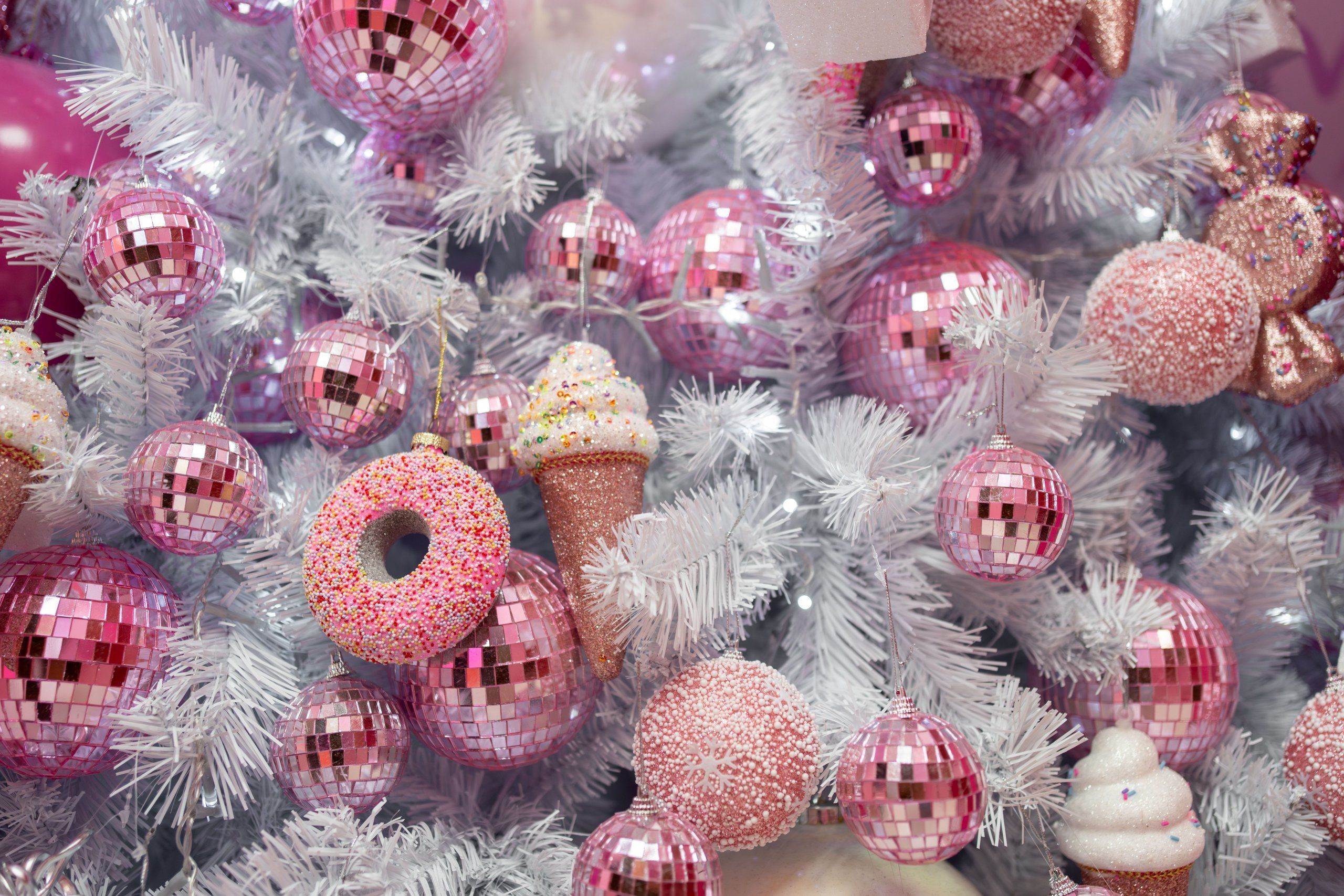
Such a purchase can be environmentally friendly, but only if the artificial tree is used for at least 8-10 years. Otherwise, it is just another piece of plastic waste that will take thousands of years to decompose and pollute the environment.
An artificial Christmas tree eliminates the need to buy new fir or pine trees every year. However, it is important to pay attention to the materials from which it is made — they must be safe.
Source: shutterstock
Live Christmas tree for rent
Renting a live Christmas tree is becoming increasingly popular. This option is the most environmentally friendly. After the holidays, the potted tree can be returned to the nursery, where it will continue to grow.
You can also buy the tree, also in a pot, instead of renting it. After winter, it can be planted in the yard.
This way, you can avoid cutting down trees and creating additional waste. However, it is important to remember that in order for the tree to survive until spring, it cannot be kept warm, otherwise it will die. In an apartment, the best option is to place the plant on an open balcony.
Completely abandoning Christmas trees
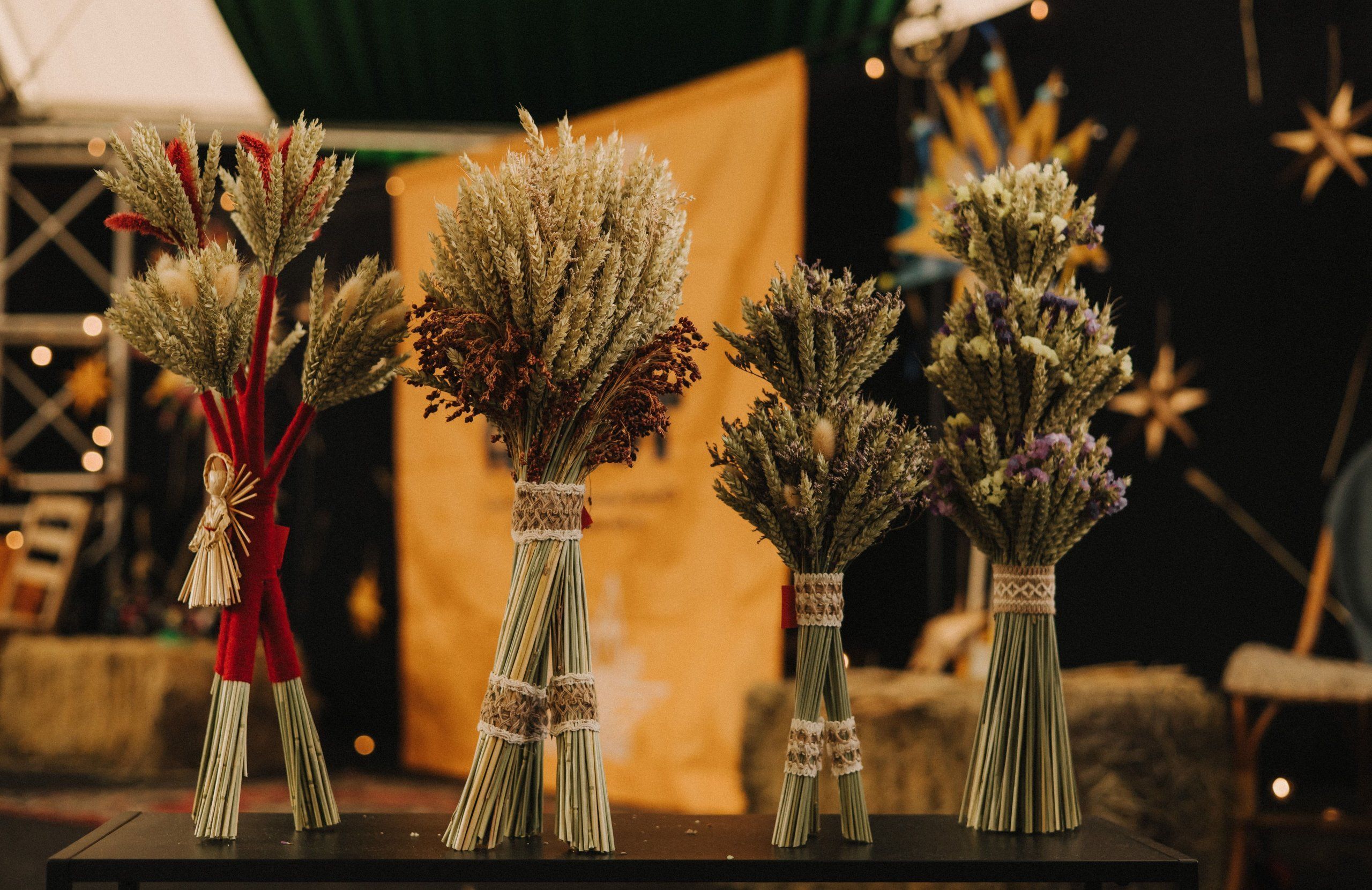
This is a more radical option, but it can start a new family tradition. For example, environmentalists suggest returning to folk symbols—didukh or fruit tree branches.
Source: shutterstock