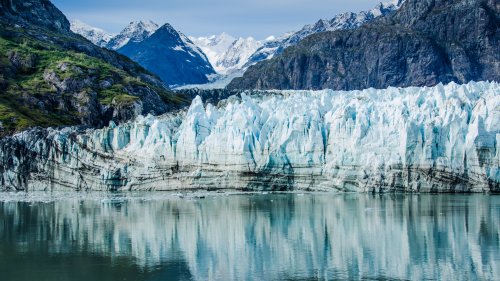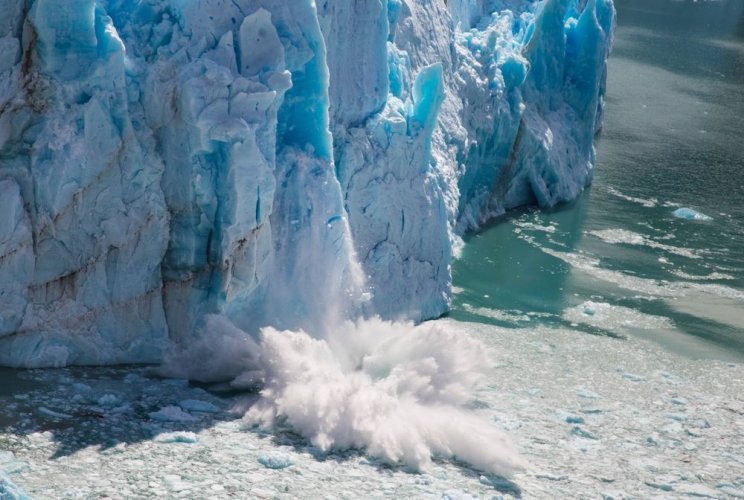
Venezuela had 6 glaciers, 5 of which disappeared over time, and the last one, the Humboldt Glacier, also known as La Corona, shrank and turned into an ice field.
This was reported by The Guardian.
Scientists have warned that this is only the beginning. Climatologist and weather historian Maximiliano Herrera called Indonesia, Mexico, and Slovenia next in line. He considers the disappearance of all glaciers in Venezuela a significant event, especially in the context of global warming trends.
The rapid decline of the Humboldt Glacier, located near Pico Humboldt, the second highest peak in Venezuela, came as an unpleasant surprise even to scientists. They expected it to last for decades, but now the glacier's area is less than 2 hectares.
Political instability in the region has hampered scientific monitoring, and recent estimates have shown an unexpectedly rapid decline in the area of this outstanding representative of glaciers.
Luis Daniel Llambi, an ecologist from the scientific program Adaptation at Altitude, calls the main reason for its retreat the lack of an accumulation zone in the Humboldt Glacier – the most important area where new ice can form, and it simply collapses without the possibility of regeneration. A phenomenon such as El Niño also had a significant impact. It has increased warming, especially in tropical regions like Venezuela, and made glaciers even more vulnerable.
These rapid changes are a clear example of the serious climate challenges facing our planet.
As EcoPolitic previously reported, scientists confirmed the rapid melting of Greenland and Antarctica glaciers.