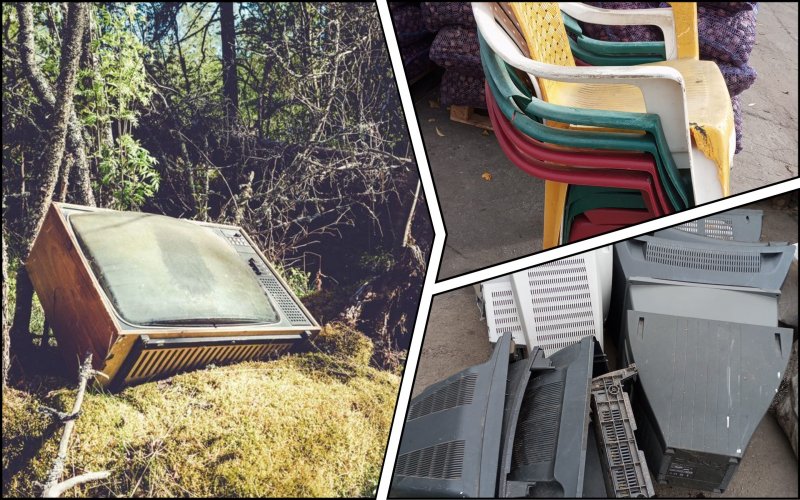
Parts of old TVs and plastic furniture began to be accepted for money in Poltava

Parts of old TVs and plastic furniture began to be accepted for money in Poltava
Katerina Belousova

The raw material must be clean, without self-tapping screws, tape residues, etc

In Poltava, they began to be accepted for processing plastic rear parts of TV housings (polystyrene RS) for UAH 1/kg and plastic furniture (polypropylene RR) for UAH 5/kg.

This waste can be brought to the recycling point on the street. L. Kadenyuka 7 (former Seryogina), informs k Serhii Antonenko, coordinator of the public organization "Batteryky, Surrender" on Facebook.

He said that the rear parts of TV cases should be clean and dry, without extraneous metal elements, such as self-tapping screws, screws.

Antonenko emphasized that kinescope televisions are already obsolete and are often thrown into ordinary garbage. However, they can be recycled.

"Plastic is crushed and remelted into granules for further use in new products. For most it is garbage, for some it is raw material for production processes," he wrote.

Antonenko added that you can also bring plastic chairs, tables and other furniture for recycling. They should be clean without foreign objects, for example, without tape, paint, wire, rivets, self-tapping screws, etc. Such plastic is also melted down into pellets for reuse.

"Sort and pay attention to the possibility of handing over waste to reception points," he urged.

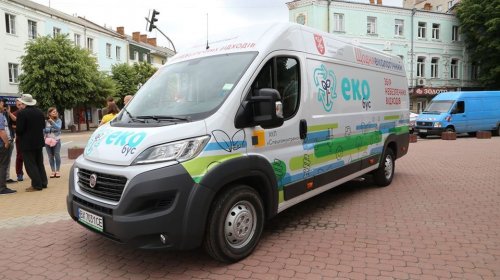
As EcoPolitic reported earlier, in Poltava in November, the ecobus will accept batteries, mercury thermometers and fluorescent lamps for disposal.
Related
Waste sorting: where to start, what to sort, where to take it

This can become a useful and straightforward habit if you prepare properly for the process

Where to dispose of hazardous household waste in Lviv, Poltava and Khmelnytskyi: the eco-bus timetable

The list of waste accepted for recycling by the eco-bus varies from city to city

Millions of tonnes of food go to waste: how much food does the average EU resident throw away?

Most food waste is generated in households – it is thrown away by residents themselves, rather than by restaurants or supermarkets

The Government has approved the Circular Economy Development Strategy up to 2035

The document covers measures ranging from the production of biomethane to the introduction of end-of-life collection schemes for plastics, clothing and batteries